Homeschooling and the Public School Dilemma
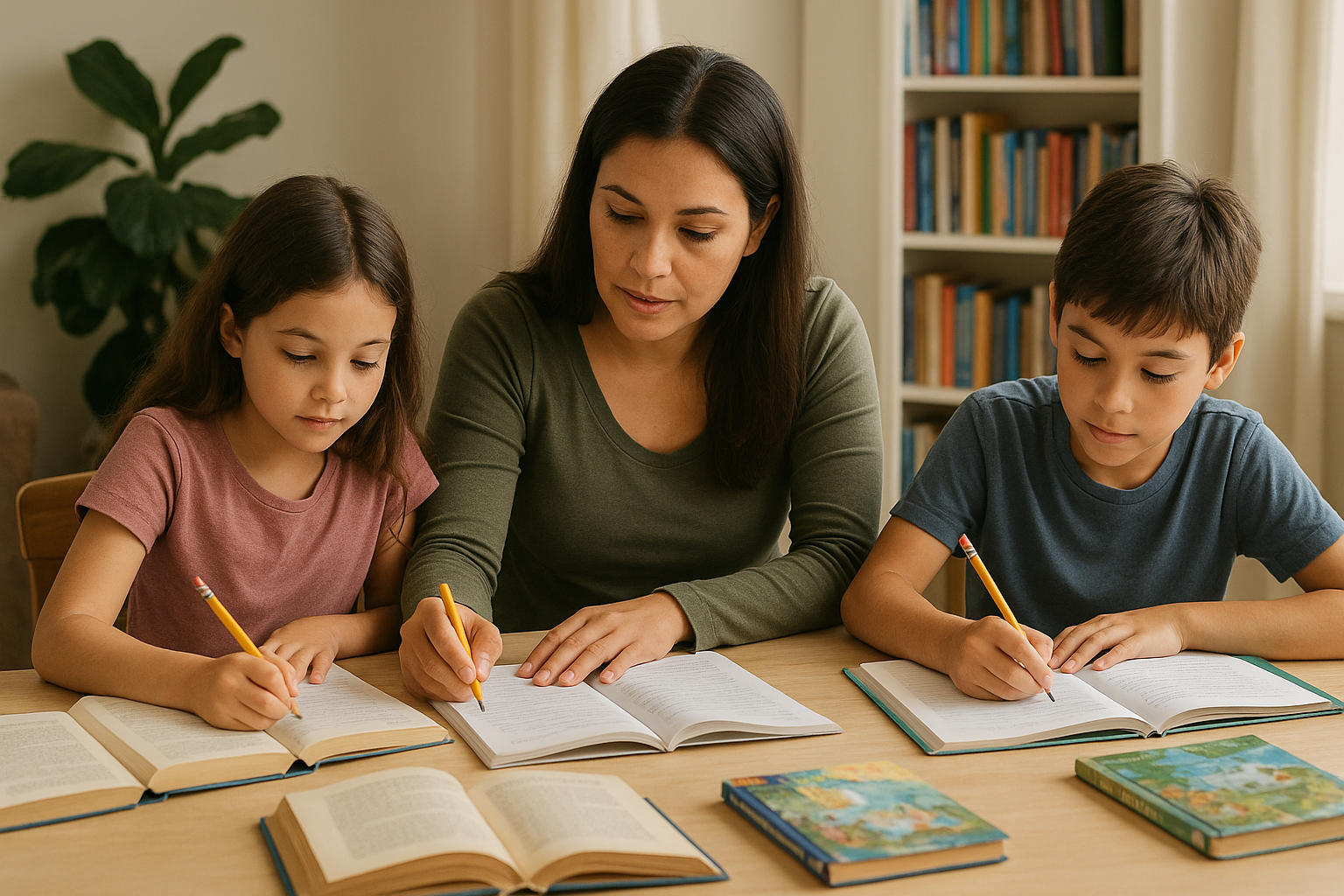
When my daughter was in fifth grade I approached the local public school superintendent about having her, as a homeschooled learner, join the school orchestra. I ensured the superintendent that she would be at every class and well prepared. My daughter had been playing piano since she was 4, and willingly spent long practice times preparing for her next piano lesson. She simply loved to play. My question was met with an emphatic, “No .” Now, I had expected some pushback from the school district. The school district certainly never hid considerable negative feelings toward homeschoolers. What I hadn’t expected was the adamant, no more conversation tone of the “No.”
When I asked, “Why not?” the answer was, “because she can’t have the best of both worlds.” If that gives you pause, it did me, as well. I looked at him and said, “if we are all about helping kids be all they can be, why can’t she have the best of both worlds?” And, this is where he showed himself to be a educator with vision, for he replied, “You are right, she should be allowed to be part of the school orchestra.” It was the start of allowing homeschooled students in the school district to participate in band, orchestra, and choir. The district was the only one at the time to allow homeschooled learners to be part of the offerings of the public school. It wasn’t long before others followed for it soon became apparent that allowing homeschoolers into music classes became value added to the various programs.
According to the Aluma Care: Creating Brighter Futures, in 2024 some 3.7 million children were homeschooled, or some 7% of all school-aged children. This marks a significant increase from a reported 1.7% in 1999. Moreover, 41% of homeschool families today identify as minorities, a significant rise from just 5 years earlier when that percentage hovered around 25%. People homeschool for a variety reasons, to protect their children from perceived harm, to control social situations and ensure family values are paramount, to provide a religious education, to control the curriculum, to expand experiential learning with visits to museums and nature centers, to address specific learning needs and interests, or to simply become a family of mutually invested learners. What is universally true is that people homeschool because they dislike some or all of what happens in area public and private schools.
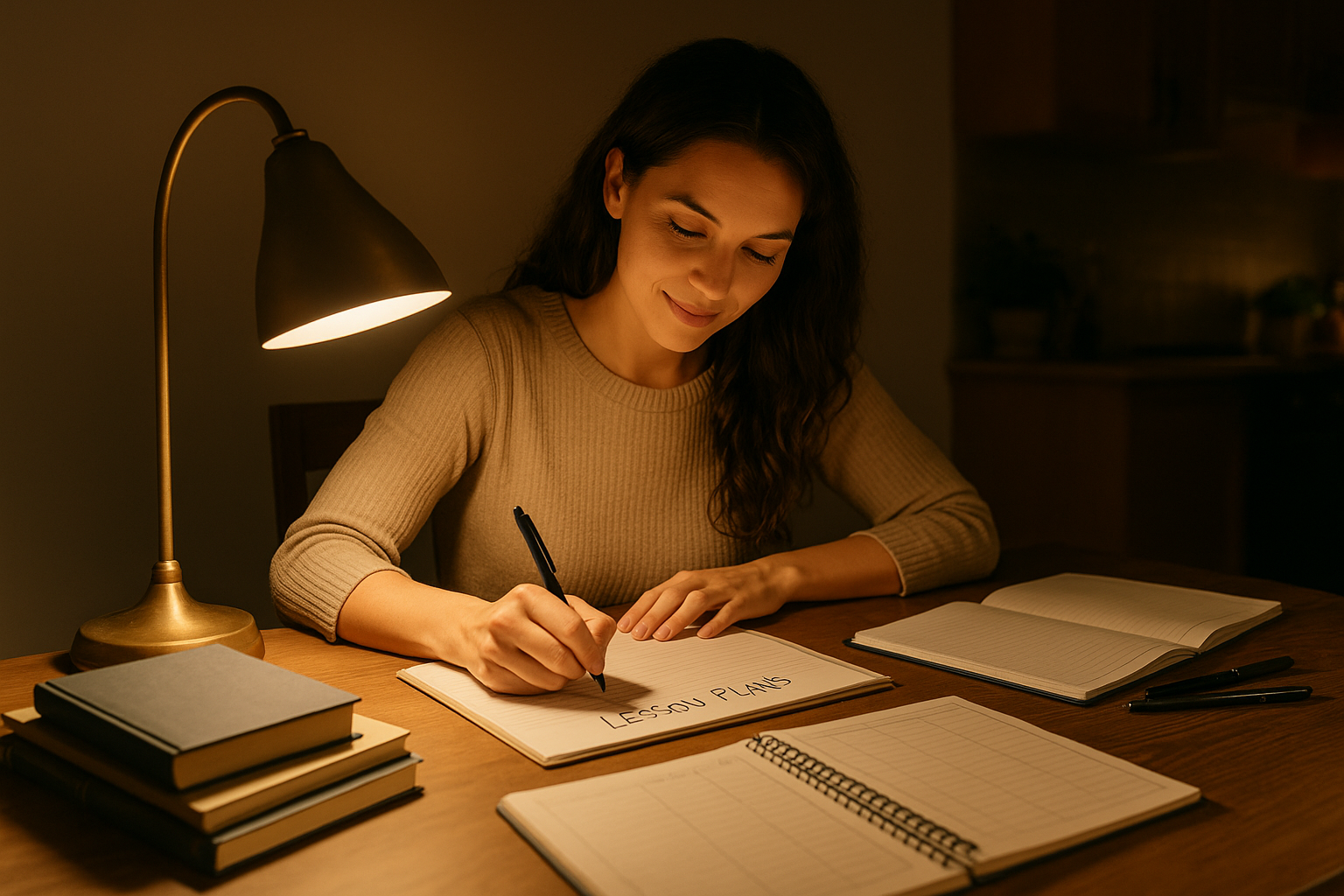
Flatly stated, it’s not easy to homeschool. It requires parents to wear multiple hats during the day as they assume the role of educator, cheerleader, parent, and learner. They must address state laws regarding homeschooling, choose curriculum, bear the responsibility of ensuring adherence to curricula standards, in some states answer to local school boards, and simply be with their children 24/7. And, of course, there is the ever-present planning for the school day. Some dive into homeschooling with ease, realizing that learning with your children creates an understanding of life long learning and is fun. Others fear that their children will soon find out that their parents really don’t know everything, and trying to hide that simply doesn’t work. For some the days bring great joy in organizing a school day around learner interests and experiences. For others, everyday is just pure, hard work, and at some point so stressful that arms are tossed into the air and students return to a public or private school setting - with everyone sharing feelings of relief, yet also fear that family, friends, and the school district will say, “Told you so.”
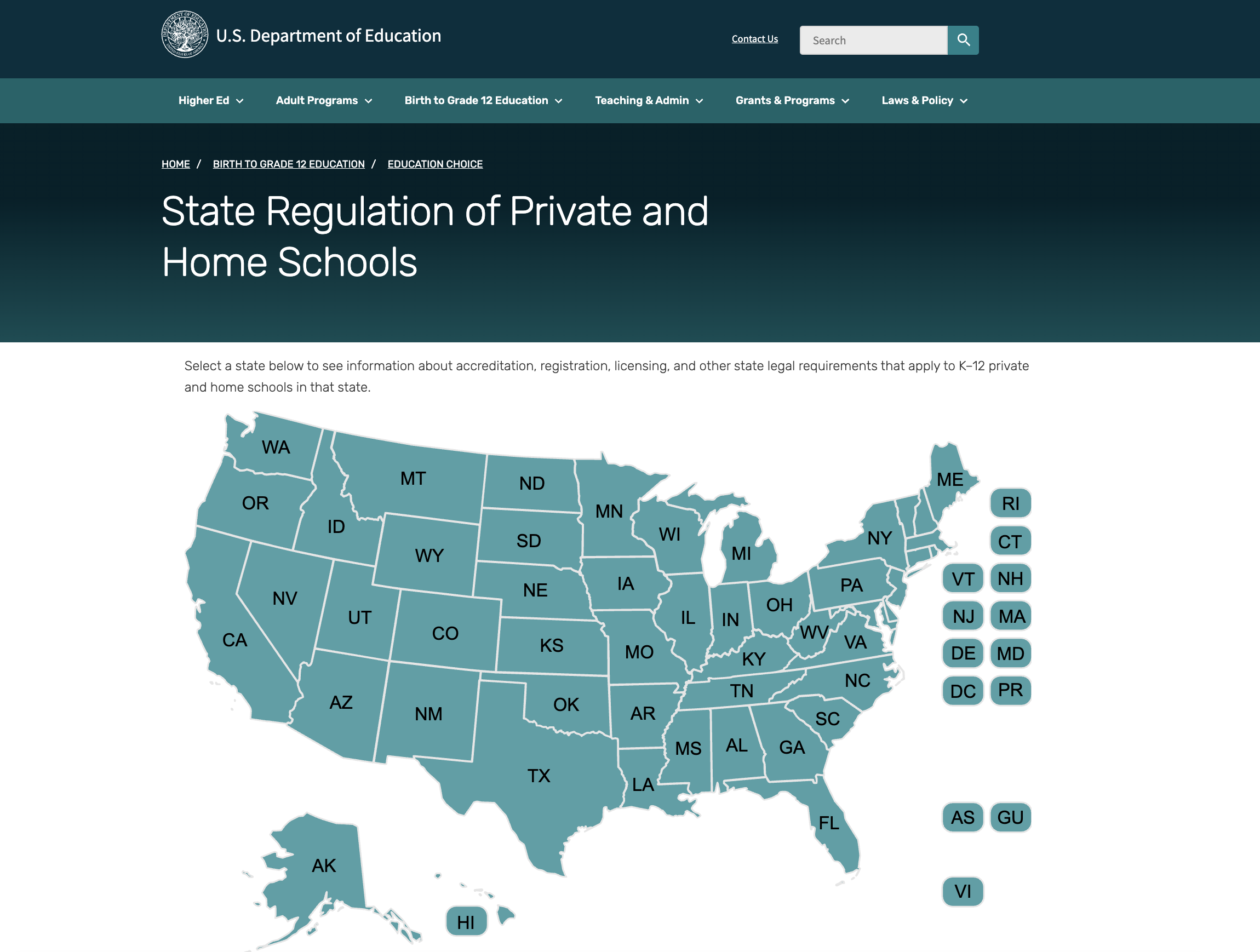
The Department of Education has a page devoted to “State Regulation of Private and Home Schools.” It is a good place to start for anyone considering homeschooling. Opening the PDFs at the bottom of the page shows the great diversity of thought among the states regarding homeschooling. Click a state on the map for a quick snapshot of homeschooling stipulations for your or other states. Some states are far more controlling of homeschooling parents than others. Some allow for the sharing of curriculum materials, and some, such as Wisconsin, allow homeschoolers to participate in local school offerings at the k-8 level, and allow for homeschoolers to take any two classes at the high school level. This hybrid approach benefits students and the school.
When homeschoolers come into the school, they are immediately placed under the microscope. How “normal” are they? What are they learning? How are they learning? Who is their teacher? Will they be ready when, not if, they return to mainstream education? In fact, homeschoolers are doing quite well, with statistics showing that approximately 74% of homeschoolers attend college, on average homeschoolers are out scoring public school students on the SAT and performing better that their public school counterparts on standardized tests.
Everyone I know at some point enrolled their homeschooled children into the local public school, including myself. Some homeschooled for a year to avoid their child interacting with their grade-level teacher. Some homeschooled until their children were high school age. Some children entered the public school system in order to play sports. Some children experienced a hybrid of homeschooling and then enrolled in the pubic school for music, art, and classes like chemistry and physics, subjects that are truly difficult to teach without 1) subject matter knowledge, and 2) a lab or music instruments and equipment.
Viewing educational systems as adversarial is counterproductive to helping children become all they can be: musicians, artists, subject matter experts, scientists, historians, and community leaders. Allowing homeschooled children to take classes in the public school is more than, “Well, they’ll be back anyway, so we might as well.” It’s saying “YES” to the future. Homeschooling provides opportunities for learning beyond the classroom, opportunities that are lost to cash-strapped public schools. By opening the door to shared learning through homeschool-public school collaborations, we strengthen every child’s path toward a fuller, richer future.