The Benefits of Reading Aloud
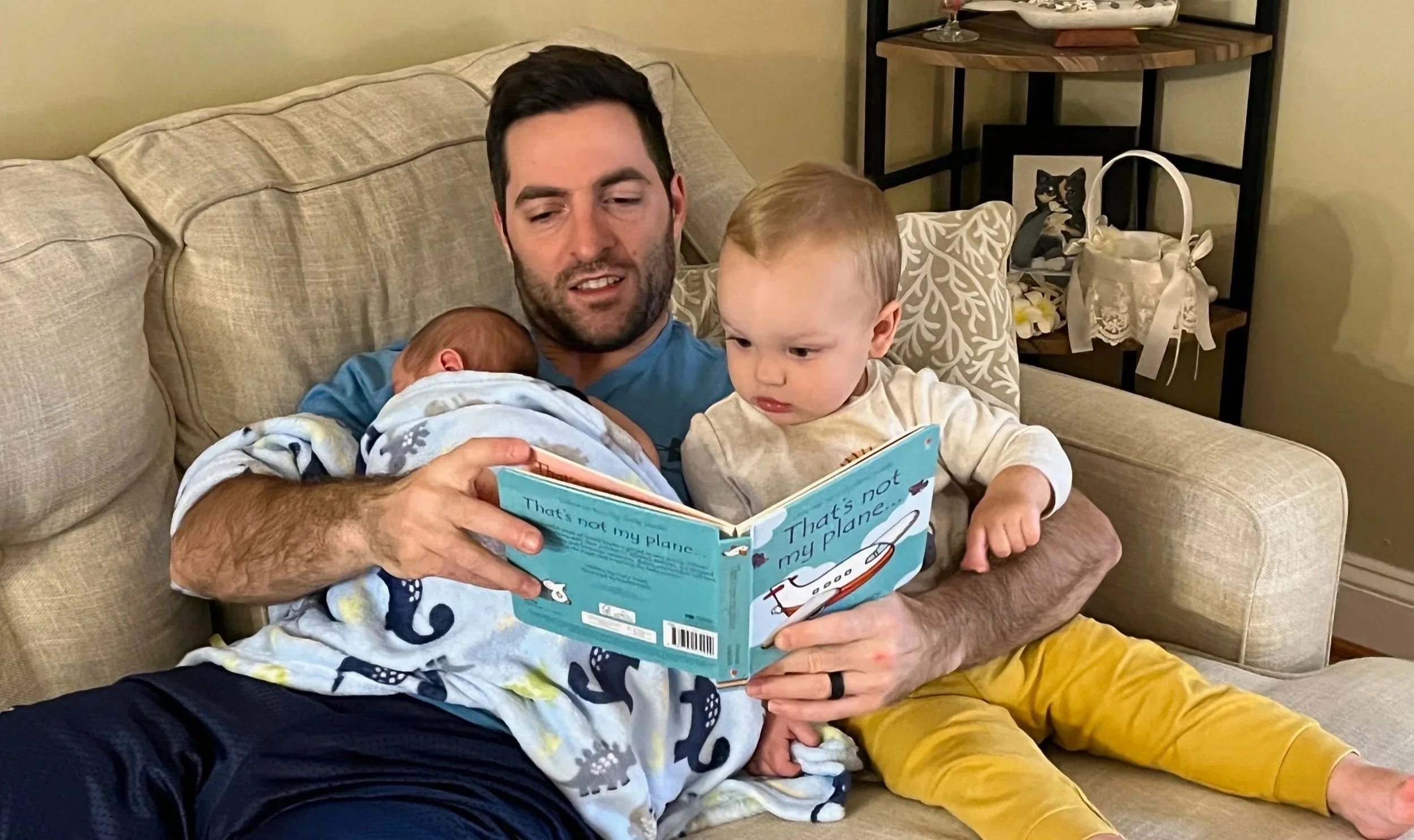
Did anyone read aloud to you when you were growing up? Perhaps a parent or teacher? Was it a tradition to have a story read to you at bedtime? What made that time special? Perhaps someone read aloud A Wrinkle in Time or Wind in the Willows or some other story that allowed your imagination to soar. Perhaps you could not wait for the next chapter to be read, and asked, “please just read a little more.” Perhaps you found a story so engaging that you just had to get another book in the series and read it for yourself. Reading aloud builds connections between you and the reader and between you and the story. Reading aloud means someone felt that it was important to share their time with you reading. Reading aloud is a gift that never becomes discarded or fades from importance.
The first Wednesday of February - every year - is World Read Aloud Day. It’s a world wild celebration of reading! Lit World offers a wealth of resources to help build amazing read aloud skills to get you started on the wonderful journey of reading aloud. And, best yet, it is free (perhaps consider a donation!). Just looking through this robust packet of ideas will make you smile and want to start planning a barrel of read aloud fun.
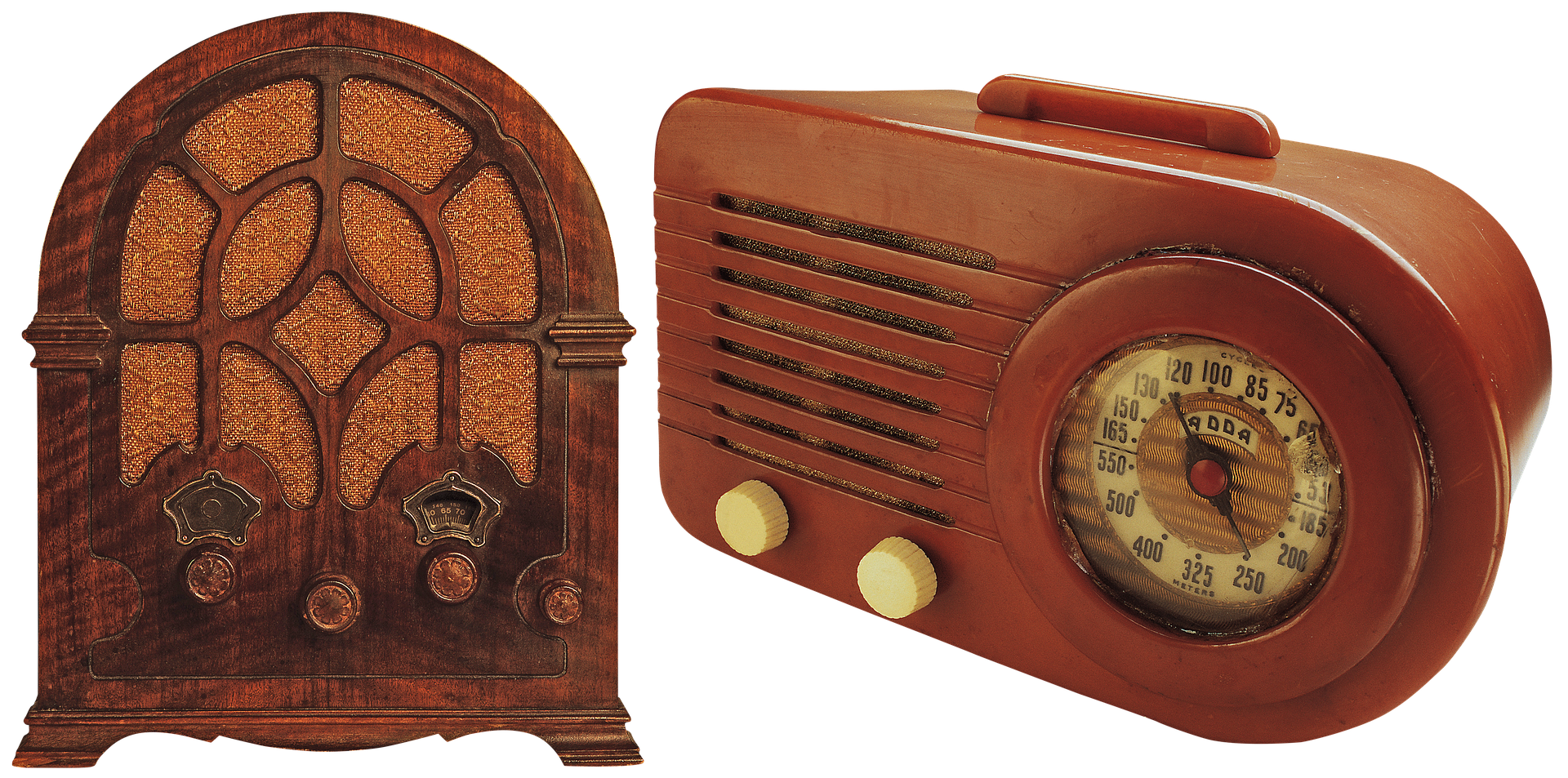
Back in the day, as they say, people gathered in their living rooms around the radio to not only hear the latests news, but also to listen to stories being told by actors portraying a wide variety of characters. This was long before televisions graced living rooms and visual images replaced imagined ones. Take the following episode from Suspense recorded in 1942. What images come to mind as you listen to the episode? Can you imagine a group of people listening to this mystery in 1942 and leaning toward the radio to catch every word as the voices filled the room? One thing for sure, they were listening!
Fast forward 80 plus years. Today many of us listen to books on the way to work. We hone our listening skills during podcasts. We imagine scenarios and form or alter our opinions and build our knowledge base from tuning into a favorite radio broadcast. Listening to the stories and opinions of others expands vocabulary and builds curiosity. “Well, that was interesting!”
The Importance of Reading Aloud
Research shows that vocabulary skills develop through communication. This, of course, makes sense. Words are learned. Reading aloud expands that everyday vocabulary. Importantly, studies show that the size of a child’s vocabulary is linked to academic performance. It’s not just the quantity of words that counts, it’s also the quality of the words. How often have you heard someone complain that their vocabulary has been lost because they’ve spent the last year talking to their two-year old? But, why should this be? Children aren’t expecting that? It is the adults who believe children cannot comprehend words longer than one syllable, but of course they can. Here reading aloud helps.
Let’s take a book like The Very Hungry Caterpillar by Eric Carle. This popular children’s book can be found at your local library or perhaps at a local used book store. Not only does this story teach children about the life of a caterpillar, so a bit of science, but it introduces children to foods that they may or may not know. And, the vocabulary is delicious - words like strawberries, lollipop, salami, and cherry pie fill the read aloud space. The book opens the door to great conversations such as, “What do you think that tastes like? How do you think that feels? Do you like lollipops?” There’s intrigue, a story beginning, middle, and end, and a happy ending. From this story comes the question, “I wonder what kind of butterflies there are? Let’s find out!” And, off to the library or the Internet you go for great discoveries and a lot more conversation.
Now you could shortcut all of this by pulling up a storytelling video on an iPad to entertain your child, such as this excellent storytelling series by Buddy Son Storytime. (It really is quite good!) And, this is just fine for those times when you need a few minutes to make dinner or answer a call. But, having children watch a video simply is not the same as the relationship you develop with your child, the curiosity you can foster, the fun you can have becoming a character or characters in a story, and the vocabulary you develop together by reading aloud. Taking time to read aloud to your child simply sends the message that you value the time and space you share and that books are important - an appreciation that will be carried as young children enter school, from early times on. And most essential, and the best for all, is that research shows that reading together generates feelings of well-being and is a great stress reducer. Ah….learning, fun, and relaxation all wrapped into one activity. How great is that!
Developing Active Listening Skills
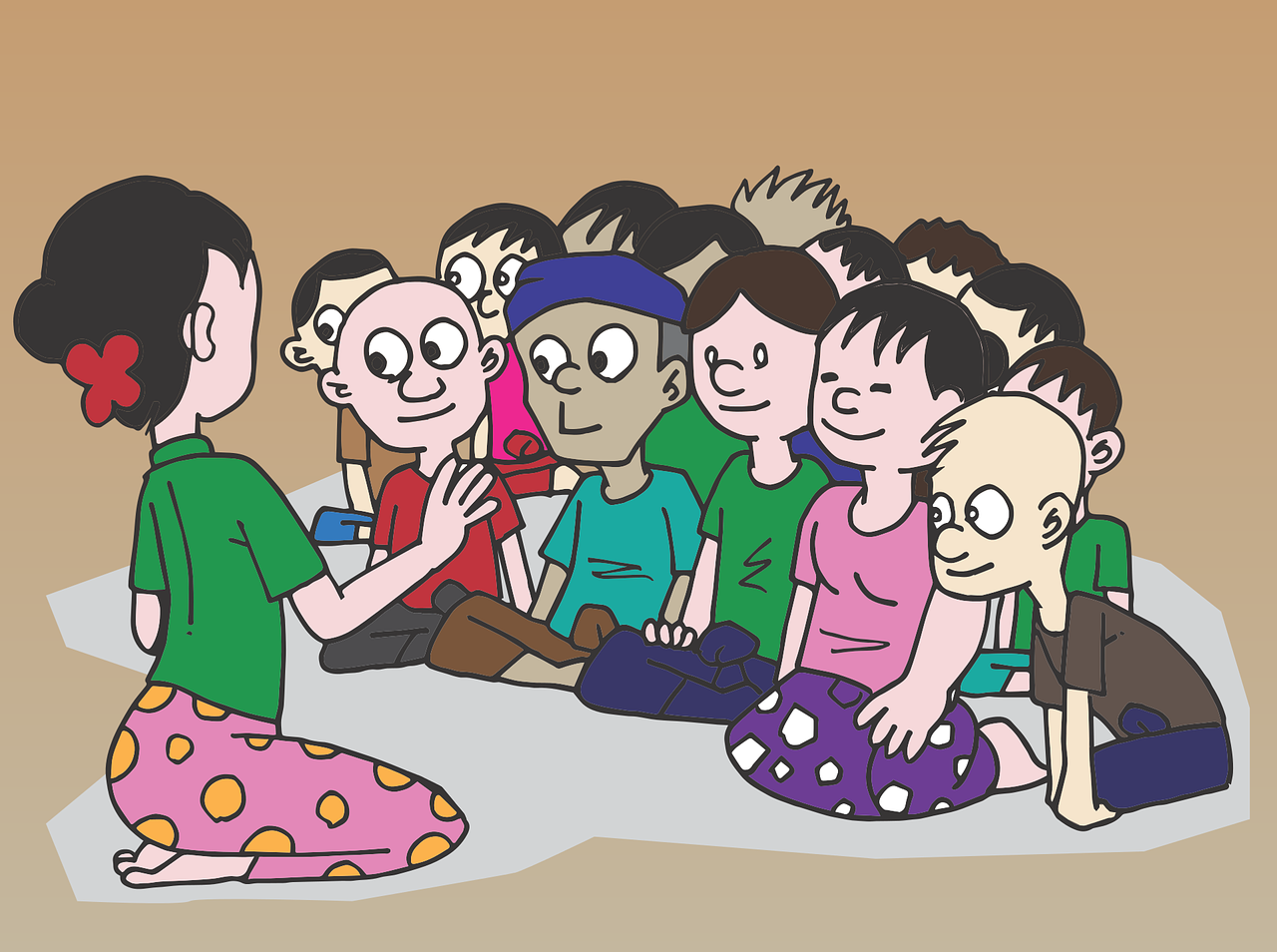
“If they would just listen? What can’t they just listen?” How many times have you said this about your children or students? Listening is a learned skill, and takes patience. When someone speaks there is a tendency to think about a response rather than listen to the very end. Being interrupted by someone who thinks they know what will be said is annoying, for sure. Active listening goes beyond just hearing what is said and expands to making sense out of it. Active listening requires asking questions to clarify understanding, which requires critical thinking, which requires a healthy vocabulary that allows for restating, which requires….well, you see where I am headed.
We absolutely live in a sound-bite world. Information shared on Twitter, Tik Tok, Instagram, and the like promote thought in quickstep. “Just tell me what I need to know and that’s good enough. I’m busy.” Statements taken out of context and information in 60 seconds or less do not do much for the development of active listening (or critical thinking skills, for that matter). In fact, quite the opposite can happen. Sound bites without context or inquiry can lead to misinformation and mistakes. So, active listening is critical both to improved reading skills, but as a life skill. It is simply not possible to develop social relationships based on soundbites. Learning is a social activity. Learning means listening to what others have to say, asking questions, and clarifying shared ideas. And thus, active listening is required. So what to do to improve those all important listening skills? Reading aloud to the rescue.
Reading aloud requires listening, questioning, engaging in the story, wondering. And, it takes practice. Children’s attention spans can be short. Research shows that the average attention span for a two year old is six minutes. That might be long enough to get through a short book like The Hungry Caterpillar! Four year olds have an average attention span of 12 minutes. By age 16, the attention span varies between 32 and 48 minutes. “Oh that’s why!” you might be saying. Lecture is not as common as it once was in school. Today students are engaged in a lot more project based learning than lecture format. Listening for long periods of time and taking notes simply is not part of what many students do. Yet, that doesn’t mean there is no need for active learning. Knowing how to listen, to gain a deeper understanding through query, is simply an important life skill when working in teams both in school and beyond. Once again reading aloud become a gift you give your child(ren) and/or students, as they learn to listen to a story, follow its storyline, and begin to anticipate what might come next. Active listening skills at play and in development.
Reading Aloud and Memory

Last, but not least, reading aloud strengths memory skills of all ages, including seniors experiencing memory problems. Research done by Colin MacLeod shows that reading aloud improves retention of words and numbers. In a study in Australia of young and old alike, both age groups showed improve retention of words read when read aloud as opposed to read silently. Significantly, this retention was sustained over a week’s time. So, not only is reading to someone highly beneficial, but reading aloud alone also has strong benefits for retention, and thus comprehension of new learning.
If you currently read aloud to others, then congratulate yourself on your lasting positive impact on their learning skills, and keep up the great effort. If you have not set aside time to read aloud, try adding it to your day. As a fifth grade teacher, I read to my students every day for 30 minutes at a time. I loved it. I could become a character and step outside of myself for just a short time. To my delight, students never fell asleep. In fact, they looked forward to our read aloud time.
And, you just might discover one day children reading aloud to each other. Now wouldn’t that be a most exciting and satisfying discovery!