
From curiosity to confidence through shared learning
When learning does not fit neatly into a traditional classroom model, families often wonder where to begin. How do you keep children engaged? How do you connect lessons to real life? How do you support different learning styles, build confidence, and make education feel meaningful instead of overwhelming?
PowerUp Learning helps answer those questions by offering flexible learning experiences that meet students and families where they are.
Whether you are homeschooling, unschooling, exploring project-based learning, or looking for educational resources that feel more active and practical, PowerUp Learning gives you tools to make learning easier to plan and more meaningful to experience. Lessons can happen at the kitchen table, outdoors, online, through hands-on projects, or in everyday moments that spark curiosity. Whether you need ideas, guidance, projects, courses, or support, this is a place to discover practical ways to make learning active, engaging, and possible.
The Thinking Box
Click an article to read it.

Featured Products
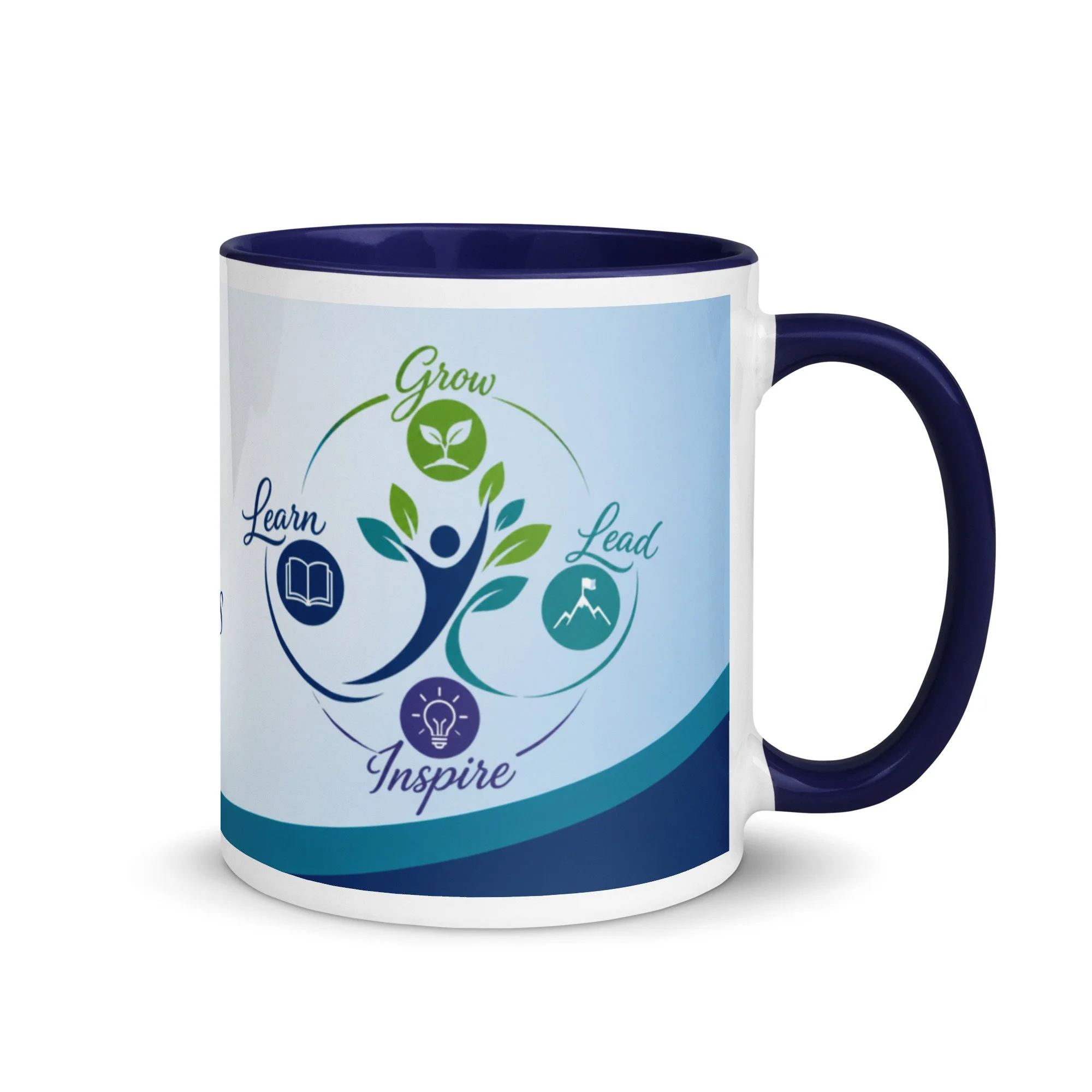
• Ceramic
• 11 oz mug dimensions: 3.79″ (9.6 cm) in height, 3.25″ (8.3 cm) in diameter
• 15 oz mug dimensions: 4.69″ (11.9 cm) in height, 3.35″ (8.5 cm) in diameter
• Lead and BPA-free material
• Colored rim, inside, and handle
• Dishwasher and microwave safe
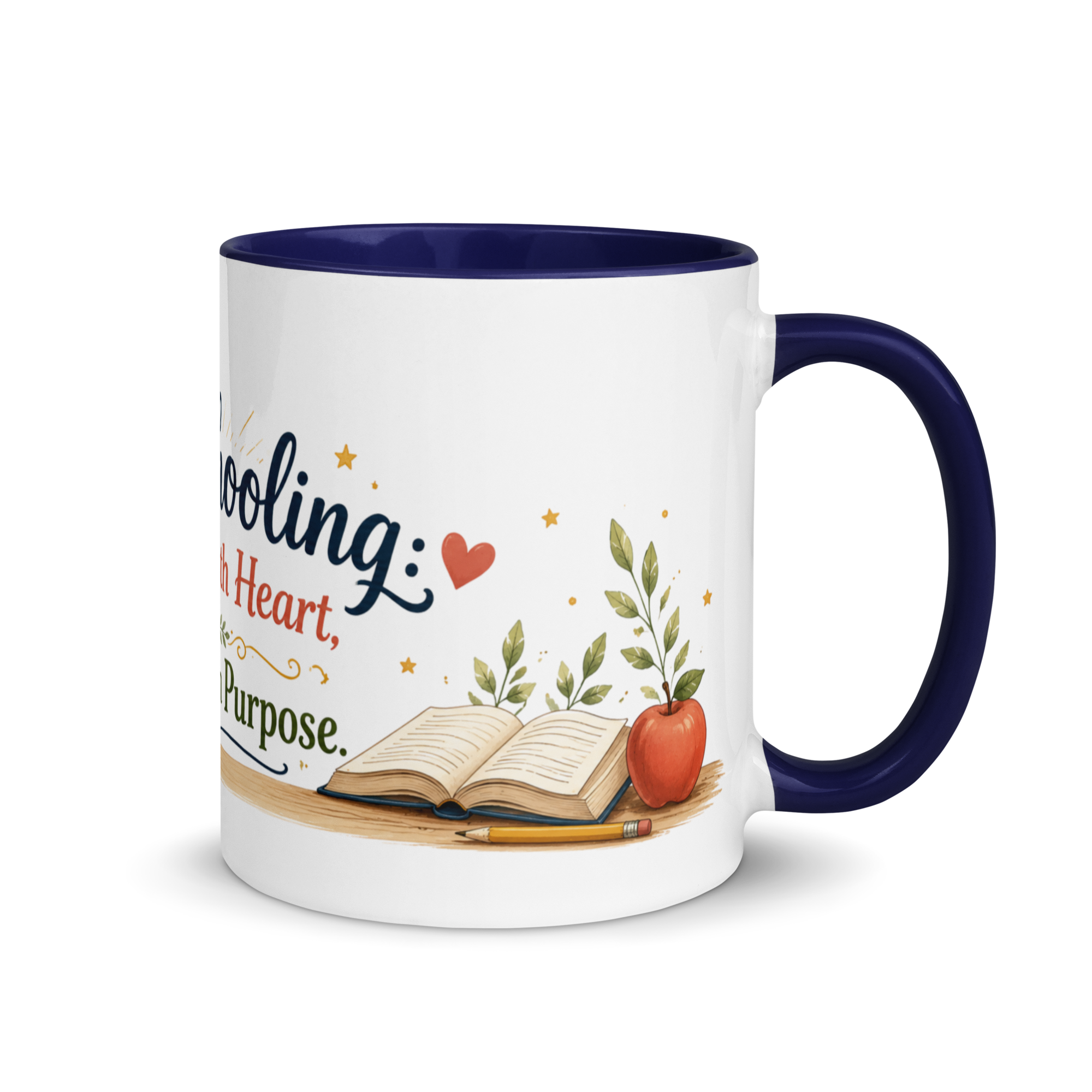
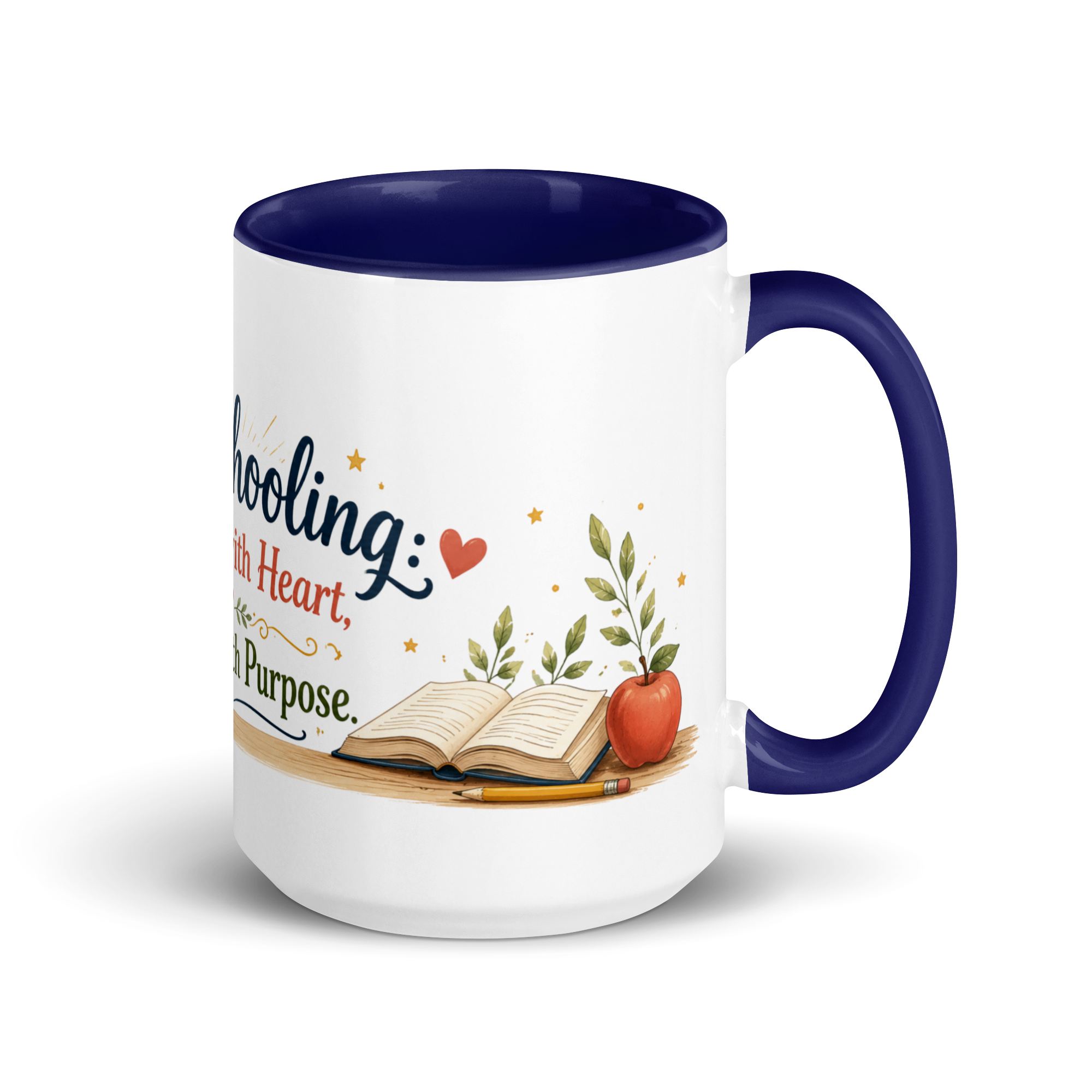
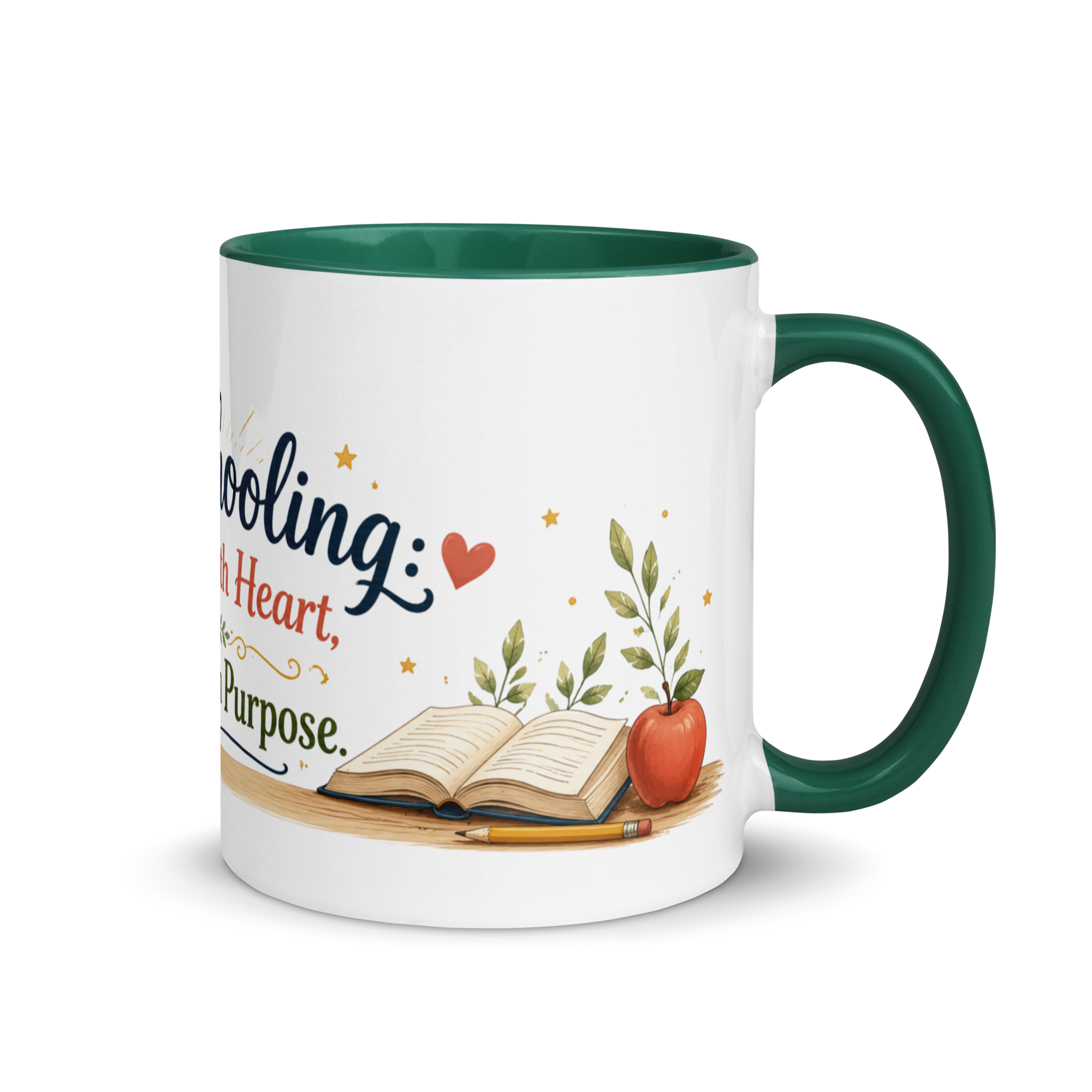
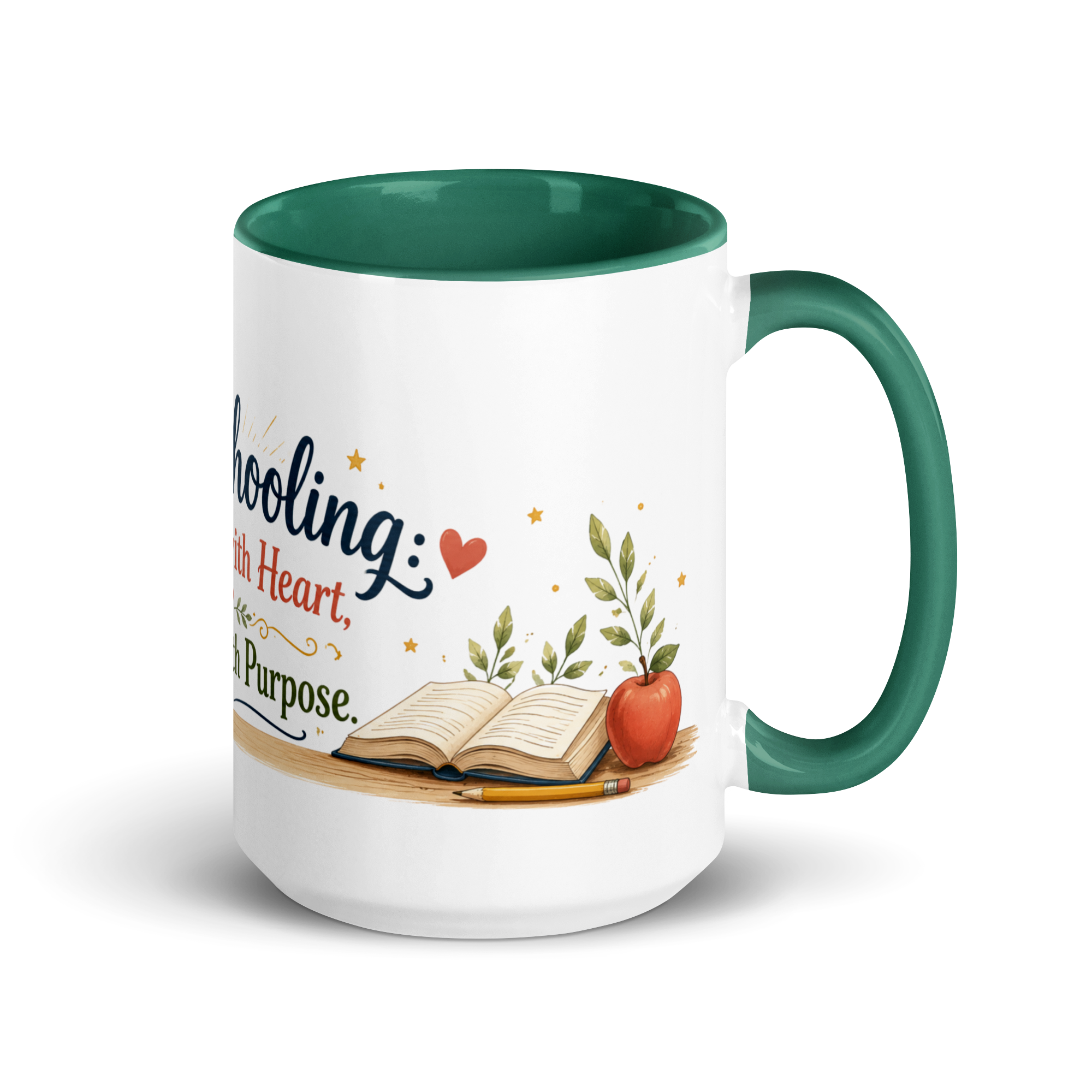
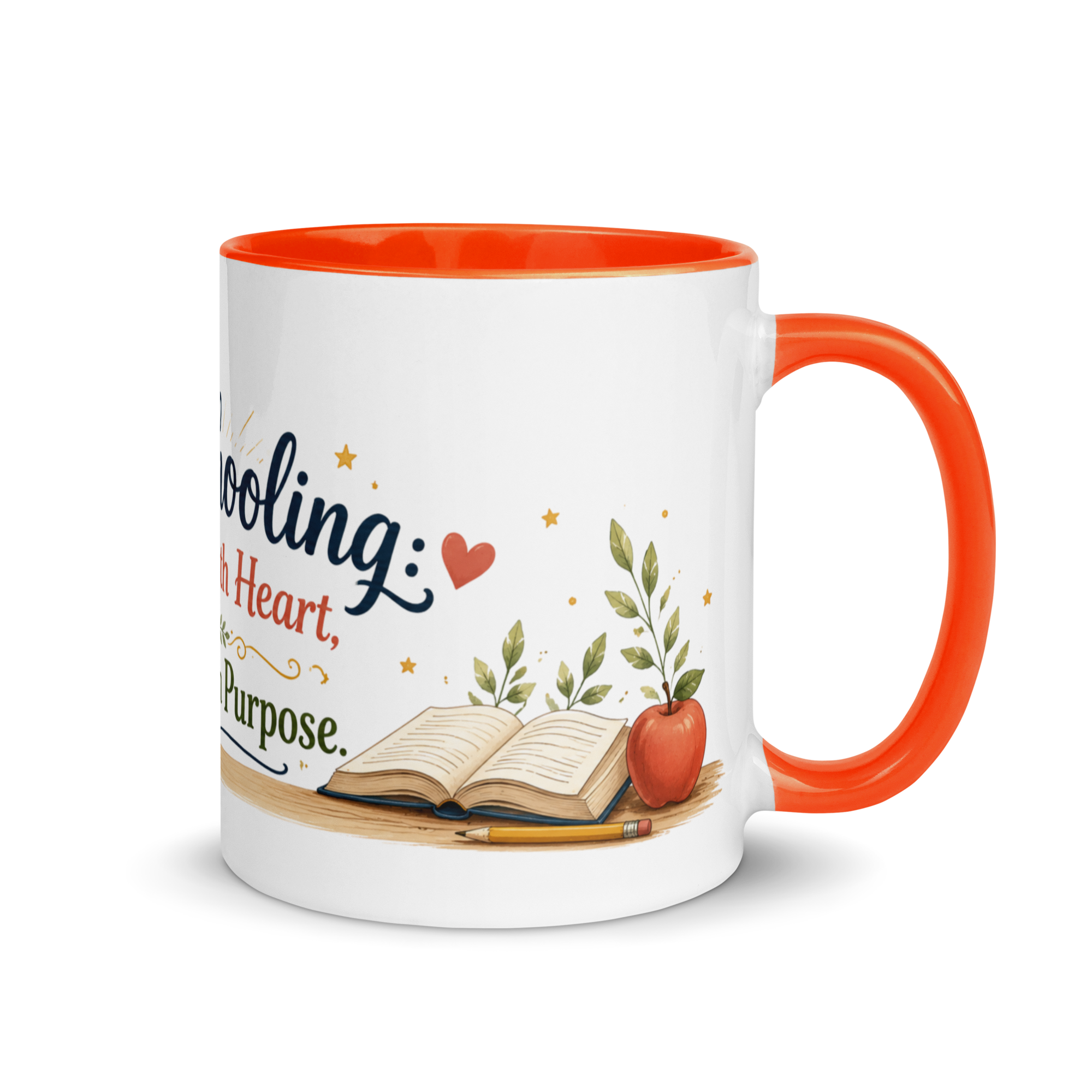
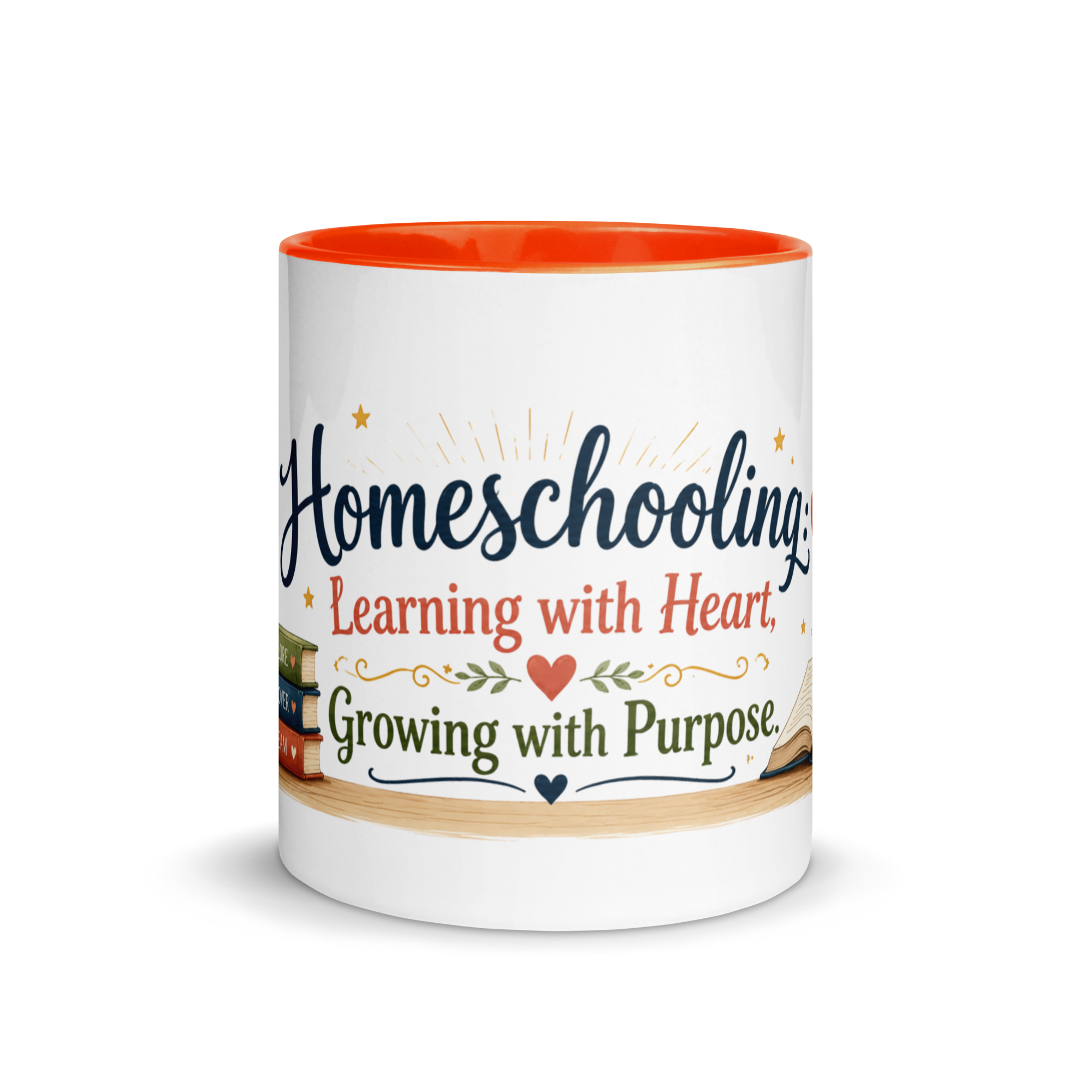
• Ceramic
• 11 oz mug dimensions: 3.79″ (9.6 cm) in height, 3.25″ (8.3 cm) in diameter
• 15 oz mug dimensions: 4.69″ (11.9 cm) in height, 3.35″ (8.5 cm) in diameter
• Colored rim, inside, and handle
This product is made especially for you as soon as you place an order, which is why it takes us a bit longer to deliver it to you. Making products on demand instead of in bulk helps reduce overproduction, so thank you for making thoughtful purchasing decisions!
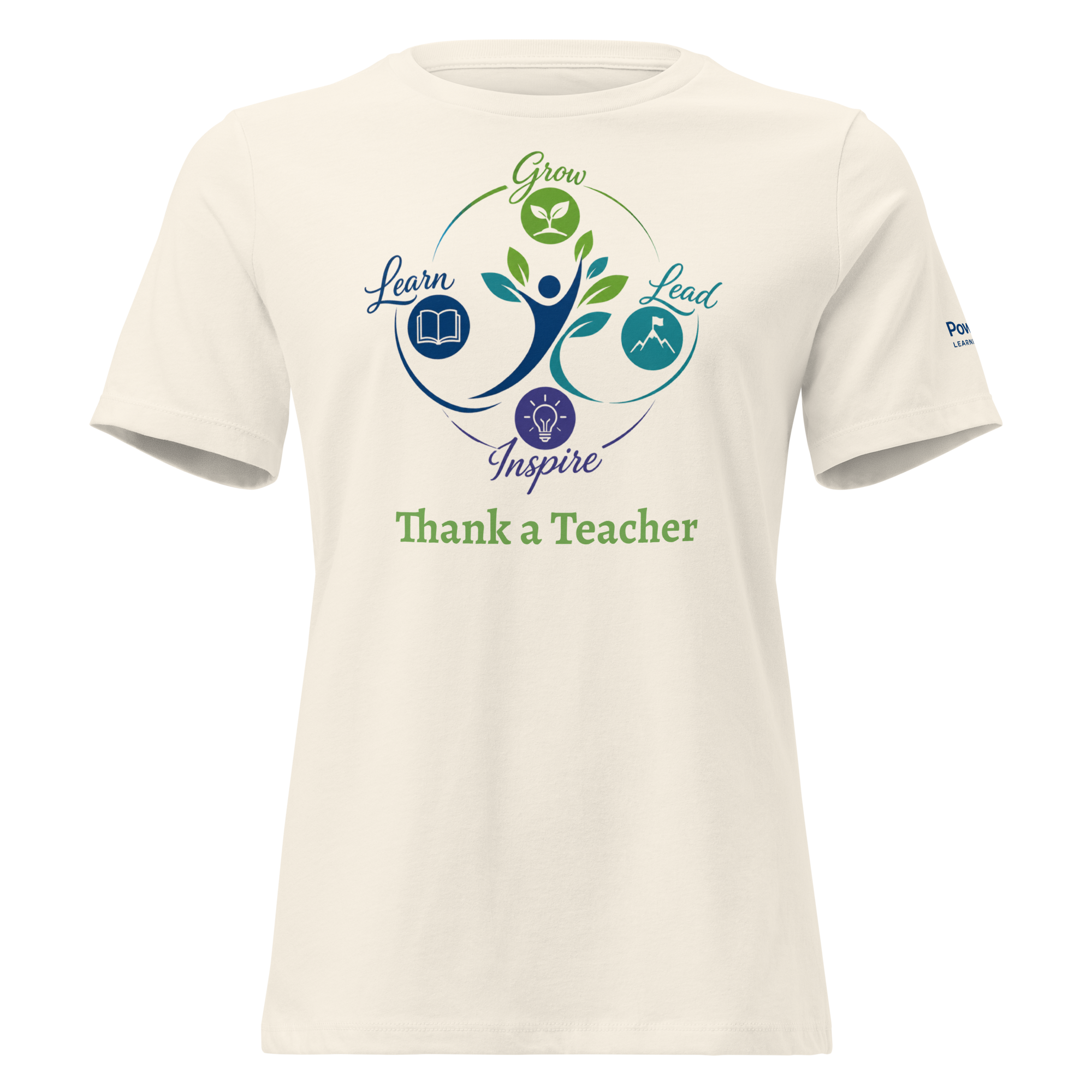
• 100% combed and ring-spun cotton
• Heather Prism Lilac & Heather Prism Natural are 99% combed and ring-spun cotton, 1% polyester
• Athletic Heather is 90% combed and ring-spun cotton, 10% polyester
• Other Heather colors are 52% combed and ring-spun cotton, 48% polyester
• Fabric weight: 4.2 oz/y² (142 g/m²)
• Relaxed fit
• Pre-shrunk fabric
• Side-seamed construction
• Crew neck
• Blank product sourced from Nicaragua, Honduras, or the US
Did anyone read aloud to you when you were growing up? Perhaps a parent or teacher? Was it a tradition to have a story read to you at bedtime? What made that time special? Perhaps someone read aloud A Wrinkle in Time or Wind in the Willows or some other story that allowed your imagination to soar.