The Benefits of Reading Aloud
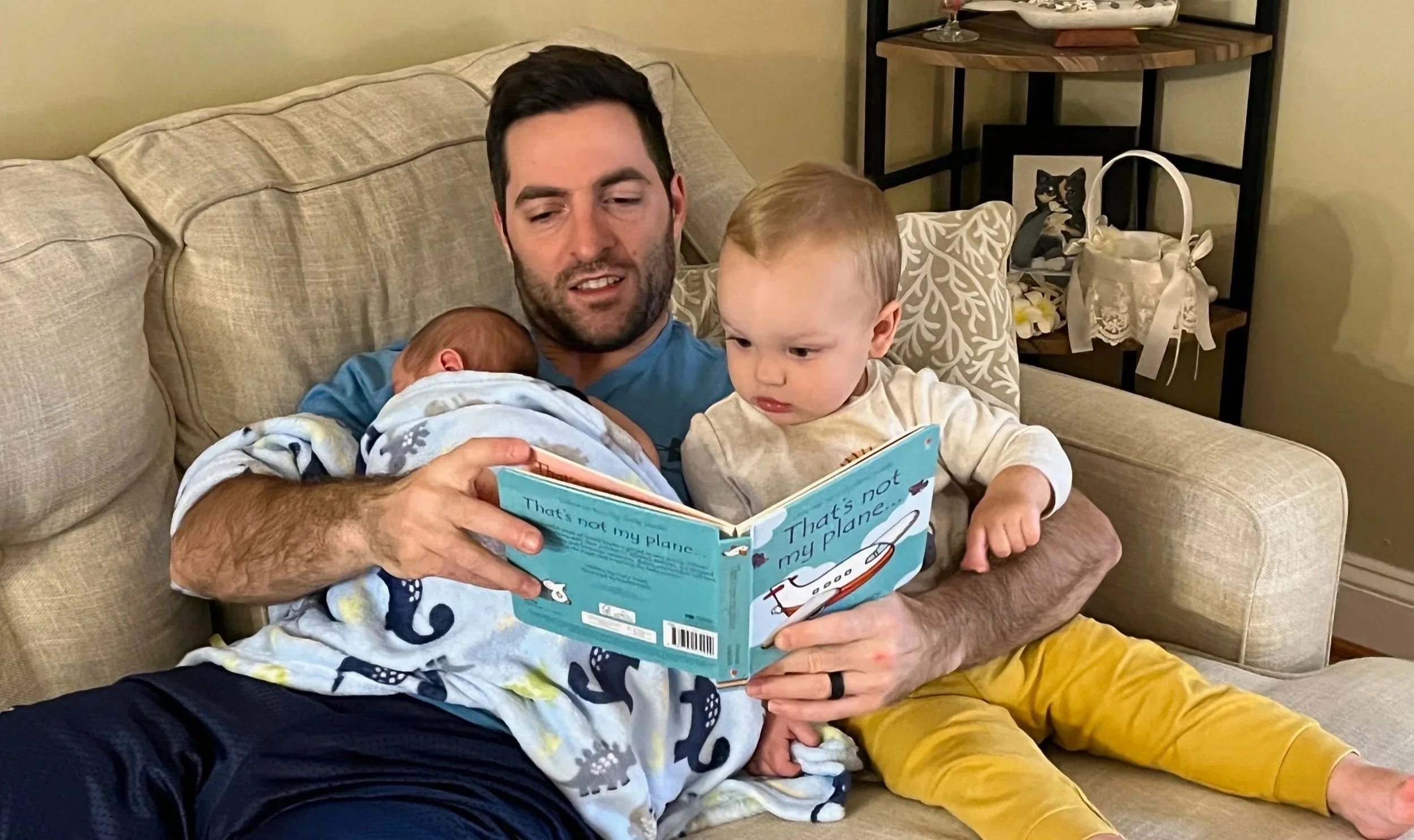
Did someone read aloud to you when you were growing up? Maybe it was a parent, grandparent, teacher, or caregiver. Maybe bedtime stories were part of your nightly routine. What made those moments special? Was it the sound of a familiar voice, the comfort of being close to someone, or the way a story opened the door to another world?
Perhaps you were fortunate enough to have someone read A Wrinkle in Time, The Wind in the Willows, or another that allowed your imagination to soar. Maybe you could hardly wait for the next chapter and begged, “Please, just read a little more.” Maybe one story was so engaging that it led you to find the next book in the series and read it on your own.
Reading aloud does more than build literacy. It builds connections between the listener and the reader, and between the listener and the story. It tells a child, “This time matters. This story matters. You matter.” The gift of being read to does not wear out, get packed away, or lose its value. It stays with us as memory, imagination, language, and love.
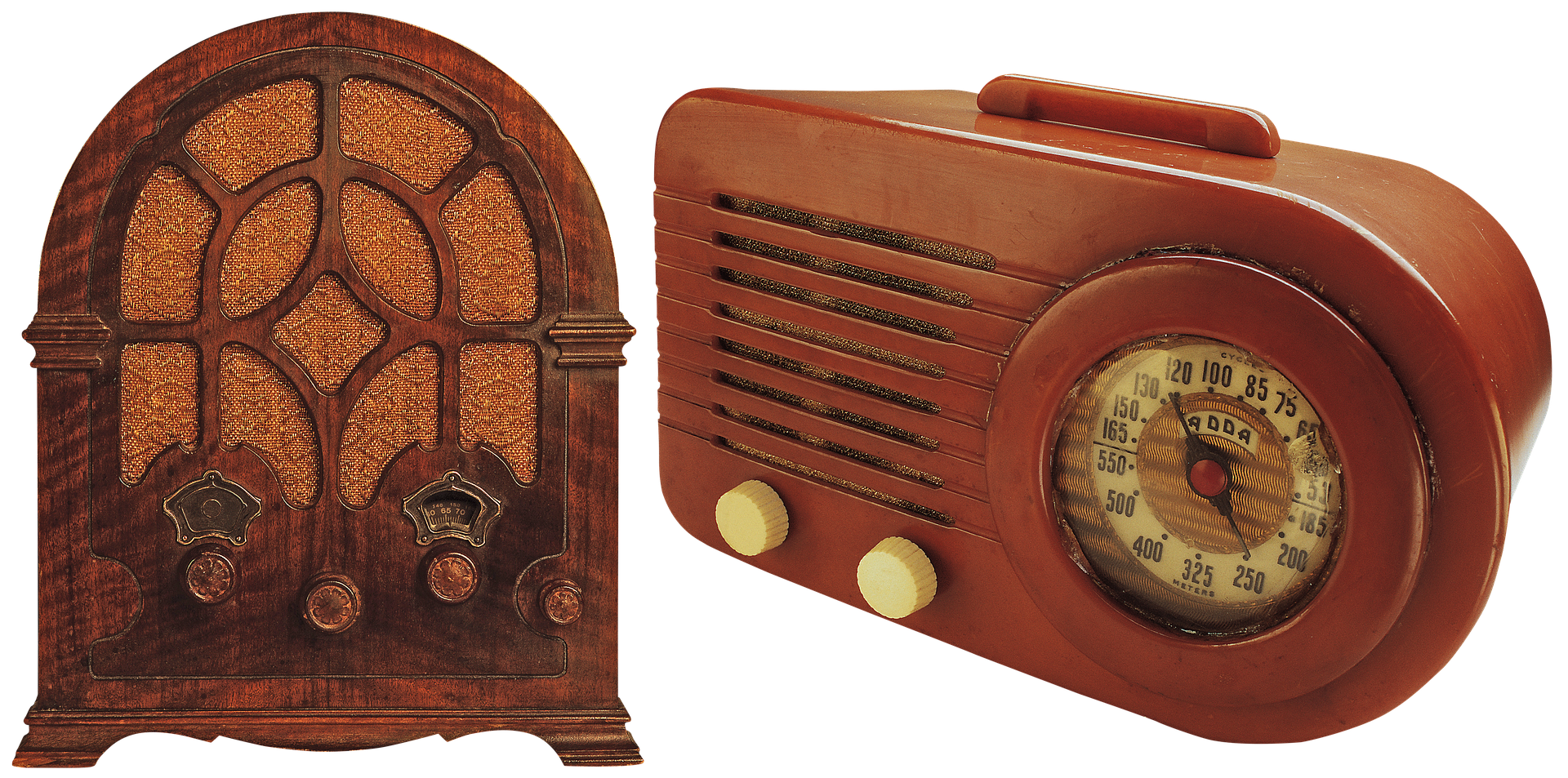
Back in the day, as the saying goes, families often gathered in their living rooms around the radio to hear the latest news and listen to stories brought to life by actors, music, and sound effects. This was long before televisions became common household fixtures and before moving images replaced the pictures listeners created in their own minds. Radio asked people to imagine the scene, the characters, the setting, and the intrigue.
Consider an episode of Suspense, recorded in 1942. As you listen, what images come to mind? Can you picture a group of people sitting together in a living room, leaning toward the radio so they would not miss a single word? Can you imagine the mystery unfolding through voice, silence, music, and sound, while each listener created the story in a slightly different way?
One thing is certain: they were listening. Radio storytelling required attention, imagination, and focus. It invited listeners to become part of the story, not by watching it, but by building it in their own minds.
Fast forward 80 plus years. Today many of us listen to books on the way to work. We hone our listening skills during podcasts. We imagine scenarios and form or alter our opinions and build our knowledge base from tuning into a favorite steaming broadcast. Listening to the stories and opinions of others expands vocabulary and builds curiosity. Perhaps you even find yourself saying outloud, “Well, that was interesting!”
Why should we read stories to children aloud?
Research shows that vocabulary develops through communication, and that makes sense. Children learn words by hearing them, using them, and connecting them to real experiences. Reading aloud expands everyday vocabulary by introducing children to words they might not hear in ordinary conversation. Importantly, vocabulary size is linked to academic performance, but it is not only the number of words that matters. The richness and variety of the words matter, too.
How often have you heard an adult joke that their vocabulary has disappeared because they have spent the last year talking to a two-year-old? But why should that happen? Children are not asking adults to limit language to simple, one-syllable words. Adults often assume young children cannot understand more complex words, when in fact children can absorb far more language than we sometimes expect. This is where reading aloud becomes so valuable. Books allow adults to use expressive, interesting, and meaningful language in a natural way.
Take The Very Hungry Caterpillar by Eric Carle, for example. This beloved children’s book, available free at a local library or for little cost at a used bookstore, does much more than tell a charming story. It introduces a bit of science through the life cycle of a caterpillar, while also filling the read-aloud experience with vivid vocabulary. Words such as strawberries, lollipop, salami, and cherry pie give children language they can taste, picture, and talk about.
The story also opens the door to conversation. An adult might ask, “What do you think that tastes like?” “How do you think that feels?” “Have you ever seen a caterpillar?” or “Why is this story called The Very Hungry Caterpillar? The book has intrigue, sequence, repetition, a beginning, middle, and end, and a satisfying conclusion. One simple story can become a larger question: “I wonder what kinds of butterflies there are?” Then the read-aloud moment grows into discovery, and off to the library, the backyard, or the Internet you go for more curiosity, more questions, and a lot more learning through discovery and conversation.
It is easy to shortcut this experience by turning on a storytelling video or handing a child an iPad, and there are certainly moments when that is helpful. Sometimes you need a few minutes to make dinner, answer a call, or finish a task. In those moments, a video can be useful. But watching a story on a screen is not the same as sharing a story together.
Reading aloud builds a relationship. It gives you the chance to pause, ask questions, laugh, wonder, and follow your child’s curiosity. You can change your voice, become the characters, talk about the pictures, explain a new word, or stop and ask, “What do you think will happen next?” Those small interactions matter. They turn a book into a shared experience and help children build vocabulary, imagination, attention, and confidence.
Taking time to read aloud also sends a powerful message: this time together matters, and books matter. That appreciation can stay with children as begin school and expand their knowledge base as they grow into their teens and into adulthood. Most importantly, reading together can create feelings of comfort, connection, and well-being. It can reduce stress for both the child and the adult. Learning, laughter, language, closeness, and relaxation all wrapped into one simple shared activity—what a wonderful gift.
What about active listening skills?
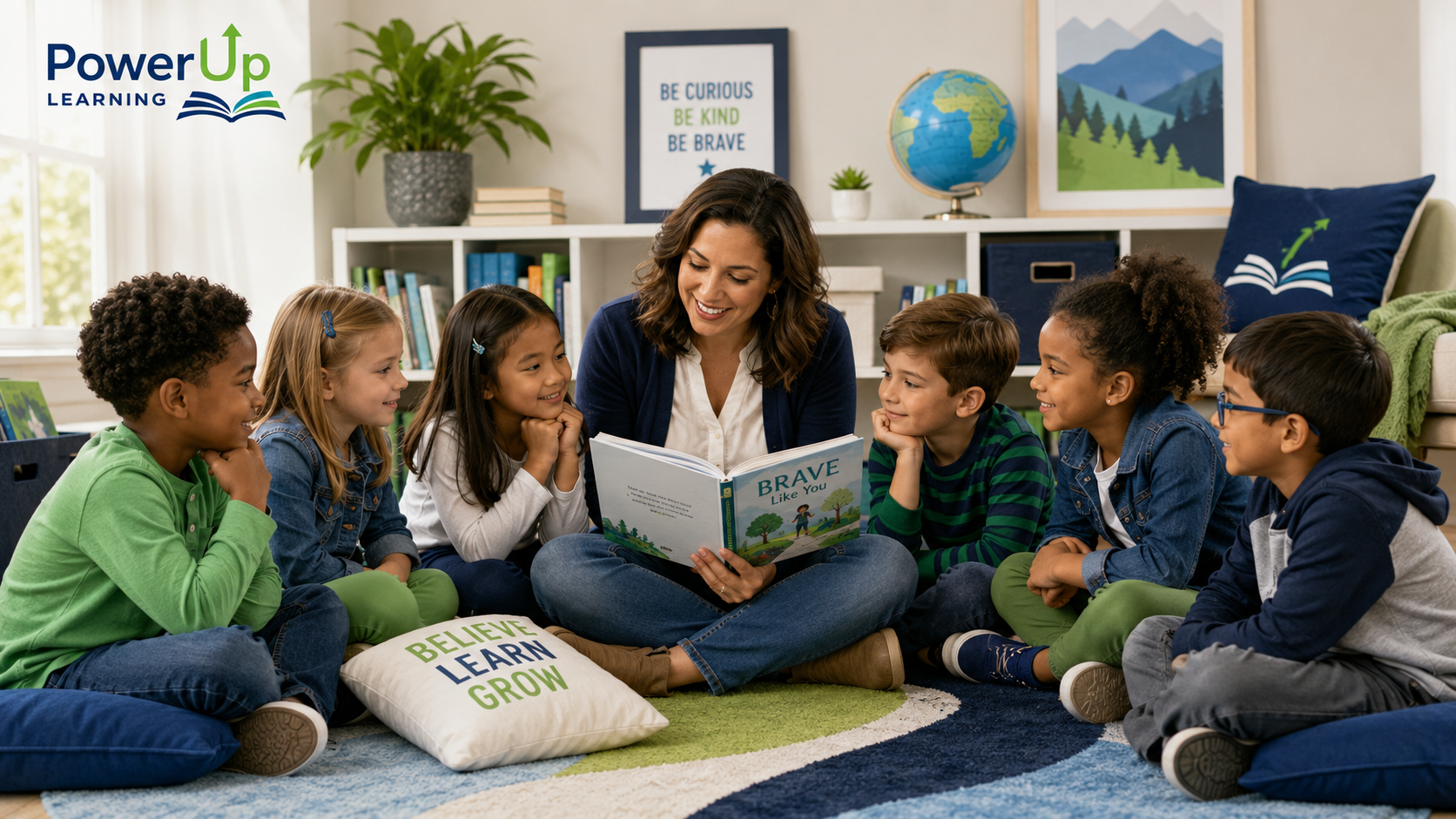
“If they would just listen. Why can’t they just listen?”
How many times have you said this about your children or students? Listening can feel like such a simple expectation, but it is actually a learned skill, and it takes practice, patience, and guidance to develop. When someone is speaking, many people begin thinking about what they want to say next instead of listening all the way to the end. Children do this. Adults do this, too. Being interrupted by someone who thinks they already know what you are going to say can be frustrating, but it also shows why active listening must be taught. Active listening is more than hearing words. It means paying attention, making meaning, asking questions, clarifying ideas, and being able to restate what was heard. That process requires focus, critical thinking, and a strong vocabulary. In other words, listening is deeply connected to language development and learning.
We live in a sound-bite world. Information on TikTok, Instagram, YouTube videos, headlines, and quick posts often encourages fast thinking: “Just tell me what I need to know. I’m busy.” While short pieces of information can be useful, they do not always encourage deeper listening or careful thinking. When statements are taken out of context or information is reduced to a few seconds, misunderstandings can happen quickly. Without context, questions, and discussion, sound bites can lead to misinformation, weak reasoning, and mistakes. That is why active listening matters not only for reading and academic success, but also as a life skill. Strong relationships are not built on sound bites. Learning is social. It requires listening to others, asking thoughtful questions, considering different ideas, and clarifying meaning. Active listening helps children become better learners, better communicators, and better members of a family, classroom, team, or community.
So how can we help children build these important listening skills? Reading aloud is one powerful place to begin. Reading aloud asks children to listen, wonder, predict, ask questions, follow a storyline, and hold ideas in their minds over time. It also gives them practice in sustained attention. Young children may only be able to listen for a short time, and that is normal. A toddler may sit through just a few minutes of a book, while an older child can gradually listen for longer stories, chapters, and engage in discussions. This helps explain why students may have such difficulty listening to classroom lectures or parent concerns. Tuning out is simply an easy escape from thinking hard. Still, active listening remains essential. Children need to learn how to listen closely, think about what they hear, and ask questions that lead to deeper understanding. Here reading aloud becomes a gift. As children listen to a story, follow its sequence, connect with characters, and begin to anticipate what might happen next, active listening skills are quietly developing.
Can reading aloud help to build memory skills?
Reading aloud strengthens memory skills for people of all ages, including older adults who may be experiencing memory challenges. Research by Colin MacLeod has shown that reading aloud can improve the retention of words and numbers. In a study involving both younger and older adults, participants remembered words better when they read them aloud rather than silently. Even more importantly, that improved retention lasted over a week. This suggests that reading aloud is not only beneficial when we read to someone else, but also when we read aloud to ourselves. The act of speaking the words, hearing them, and engaging more actively with the text can support memory, retention, and comprehension.
If you already read aloud to children, students, family members, or others, take a moment to recognize the lasting impact of that simple practice. You are helping build language, attention, connection, imagination, and memory. Keep going. If reading aloud is not currently part of your routine, consider adding it in small ways. As a fifth grade teacher, I read aloud to my students every day for 30 minutes, and I loved it, and so did they. For that short time, I could step into a story, become a character, and bring words to life. To my delight, students did not drift away or fall asleep. They listened, anticipated, laughed, wondered, and looked forward to that shared reading time.
AND THEN, one day, you may notice something wonderful. Children may begin reading aloud to one another. They may pick up a book, share a favorite passage, use funny voices, ask questions, or invite someone else into a story. That is when you know the gift has been passed along. Reading aloud begins as something we do for children, but over time, it can become something they choose to do for themselves and for others.
What a beautiful full-circle moment—to hear children become the storytellers themselves.
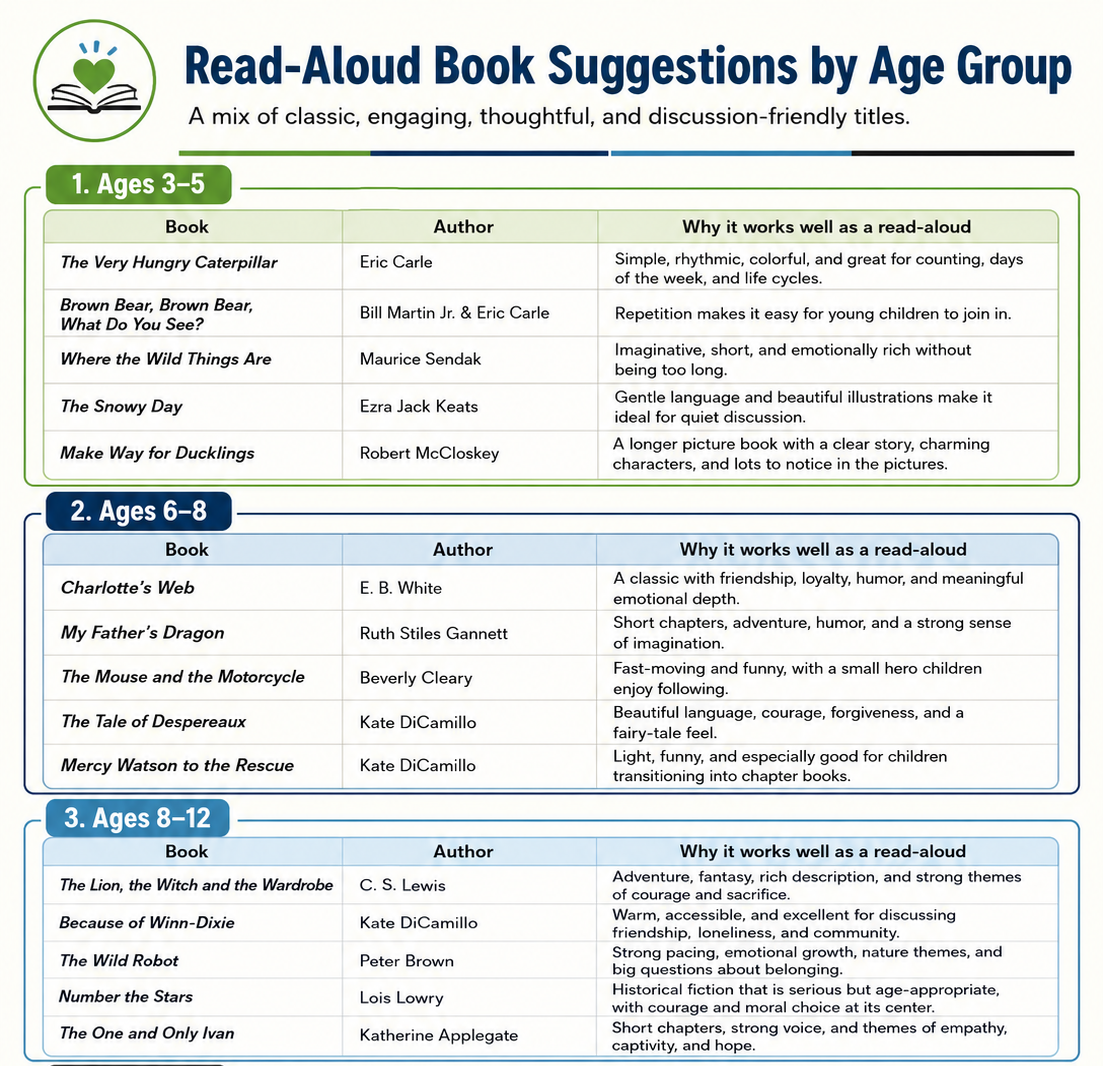
Great Resources
The first Wednesday of February - every year - is World Read Aloud Day. It’s a world wild celebration of reading! Lit World offers a wealth of resources to help build amazing read aloud skills to get you started on the wonderful journey of reading aloud. And, best yet, it is free (perhaps consider a donation!). Just looking through this robust packet of ideas will make you smile and want to start planning a barrel of read aloud fun.