May 21: Clara Barton
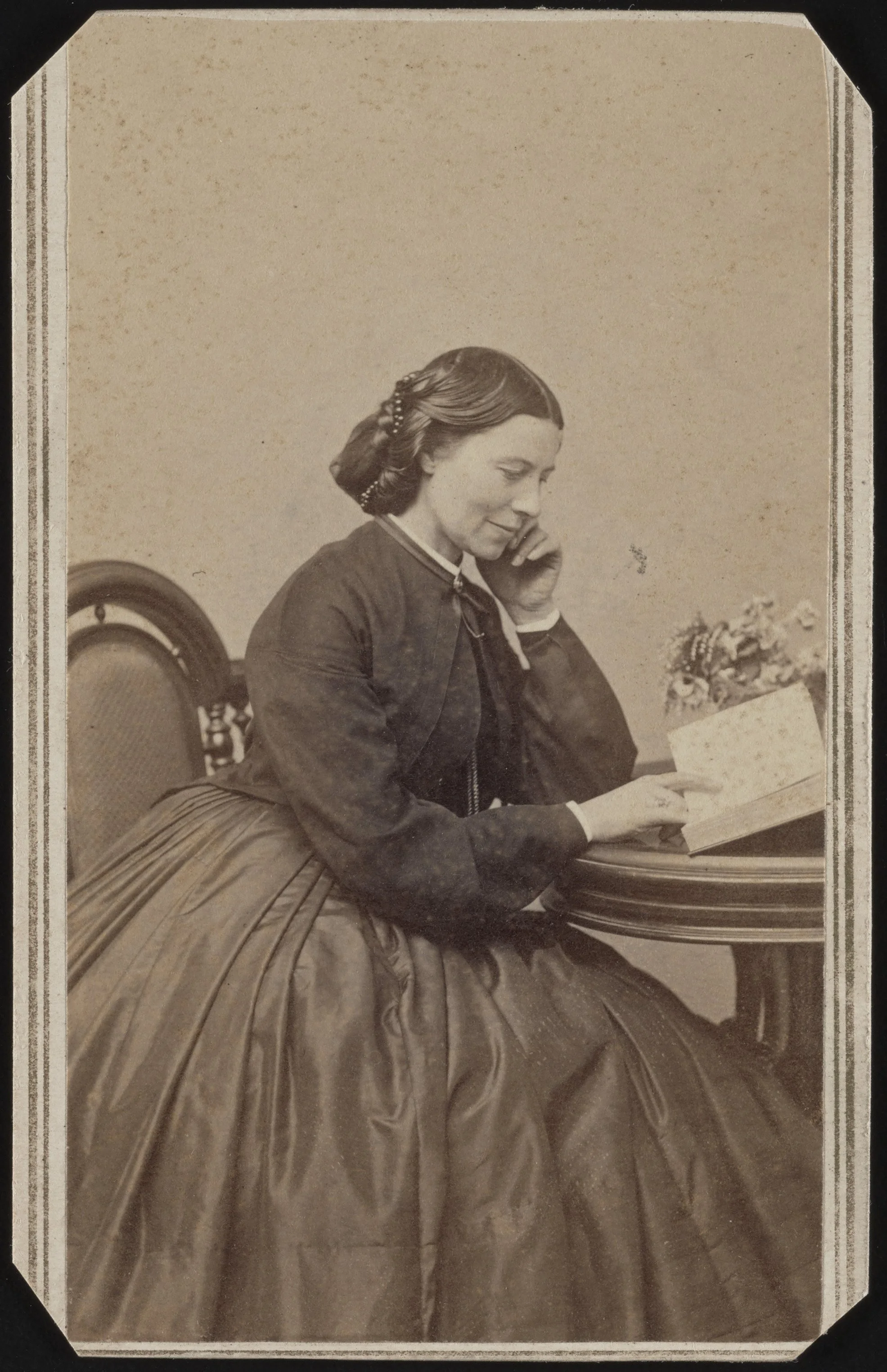
Clara Barton
Clara Barton founded the American Red Cross in Washington, D.C. Barton is best known for nursing and humanitarian work, but she also had a strong education connection: Clara Barton became widely known for her humanitarian service during the Civil War, when she collected and delivered medical supplies directly to Union soldiers and cared for the wounded near the front lines.
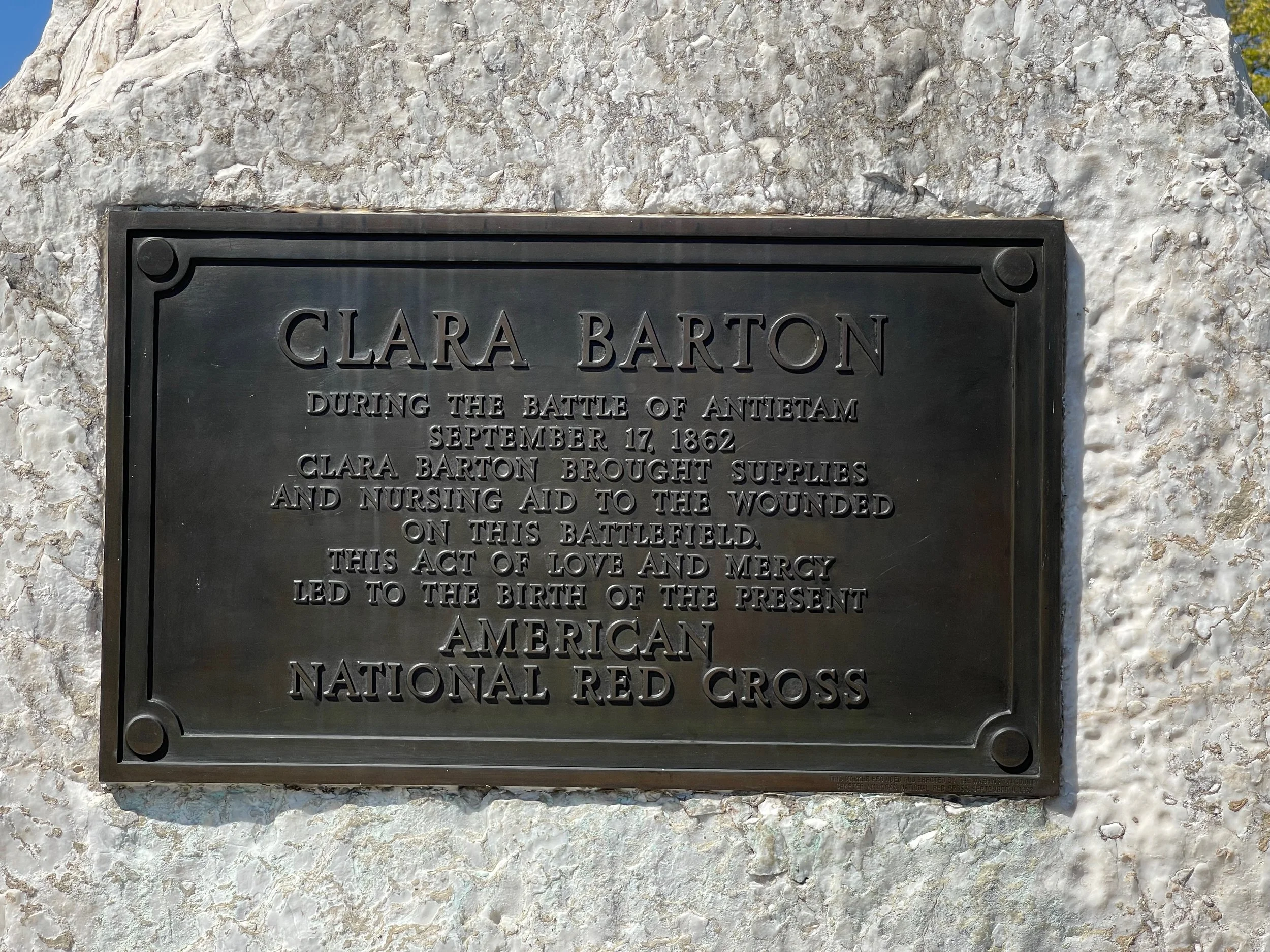
Her work at the Battle of Antietam in September 1862 was especially significant because she arrived with urgently needed supplies and assisted overwhelmed surgeons as thousands of soldiers required care. Barton’s courage, organization, and willingness to enter dangerous battlefield conditions earned her the nickname “Angel of the Battlefield.” A memorial to here is placed at Antietam National Battlefield.
Her Civil War service later shaped her commitment to emergency response and humanitarian aid, eventually leading her to establish the American Red Cross in 1881. She worked as a teacher and helped establish a free public school in Bordentown, New Jersey. The American Red Cross later became deeply connected to public education through health, safety, disaster-preparedness, and first-aid training programs.
Student Projects
1. Clara Barton Timeline Project
Project Goal:
Students will learn about the major events in Clara Barton’s life and explain how her work as a teacher, Civil War nurse, and founder of the American Red Cross shaped American history.
Project Description:
Create a visual timeline of Clara Barton’s life, beginning with her early work as a teacher and continuing through her Civil War service, her work at Antietam, and her founding of the American Red Cross. Students should include important dates, short descriptions, and images or symbols for each major event.
Suggested Timeline Events:
Students may include Clara Barton’s birth, her early teaching career, her work opening a free public school in New Jersey, her decision to help soldiers during the Civil War, her service at Antietam, her work identifying missing soldiers, and the founding of the American Red Cross in 1881.
Final Product Options:
Students may create a poster timeline, digital slideshow, accordion booklet, notebook timeline, or wall display.
Reflection Question:
How did Clara Barton’s early experiences as a teacher help prepare her for leadership during the Civil War and later humanitarian work?
2. Battlefield Nurse Diary
Project Goal:
Students will use historical imagination and factual research to understand Clara Barton’s Civil War service, especially her work caring for wounded soldiers near the battlefield.
Project Description:
Write a series of diary entries from Clara Barton’s point of view during the Civil War. One entry should focus on her arrival at Antietam, where she brought needed medical supplies and helped care for wounded soldiers. Students should describe the urgency of the situation, the shortage of supplies, the wounded soldiers, and the emotional difficulty of working near the battlefield.
Suggested Diary Entries:
Students may write entries about Clara Barton collecting supplies, traveling to military camps, arriving at Antietam, caring for wounded soldiers, and reflecting on why humanitarian service mattered.
Final Product Options:
Students may create a handwritten diary, typed journal, illustrated booklet, first-person monologue, or short dramatic reading.
Reflection Question:
3. Humanitarian Leadership Poster
Project Goal:
Students will identify and explain the leadership qualities Clara Barton demonstrated through her life and humanitarian service.
Project Description:
Design a poster showing the leadership qualities Clara Barton demonstrated, such as courage, compassion, organization, persistence, and service. For each quality, students should include one specific example from her life or work. The poster should show how Barton’s leadership was not based on power or position, but on action, responsibility, and care for others.
Suggested Leadership Qualities:
Students may focus on courage during battlefield service, compassion for wounded soldiers, organization in collecting supplies, persistence in advocating for the Red Cross, and service to people in crisis.
Final Product Options:
Students may create a paper poster, digital poster, infographic, one-page leadership profile, or presentation slide.
Reflection Question:
Which of Clara Barton’s leadership qualities is most important for helping others today, and why?
4. “The Great Society Speech: Then and Now” Writing and Discussion Project
Students choose one sentence from Johnson’s speech and create a poster that visually represents its meaning.
Suggested Quote:
“The Great Society is a place where every child can find knowledge to enrich his mind and to enlarge his talents.”
Poster Requirements:
Include the quote.
Add an image or symbol connected to education.
Explain the quote in one original sentence.
Include the date: May 22, 1964.
Add the title: Today in Educational History.