
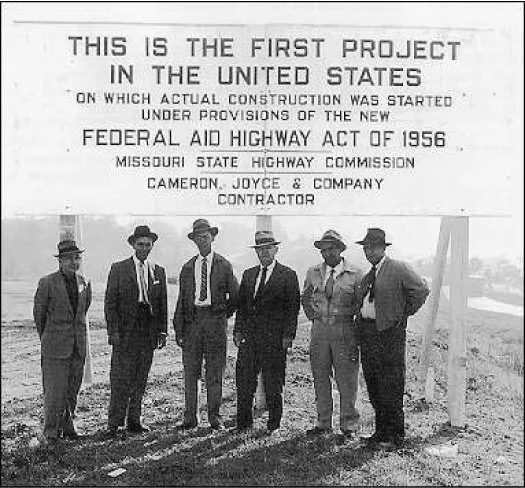
June 29: Eisenhower and the Interstate Highway System
On June 29, 1956, President Dwight D. Eisenhower signed the Federal-Aid Highway Act of 1956, also known as the National Interstate and Defense Highways Act. This law created the modern Interstate Highway System, a network of major roads designed to connect cities, states, military bases, ports, industries, and communities across the United States. At the time, it was one of the largest public works projects in American history.
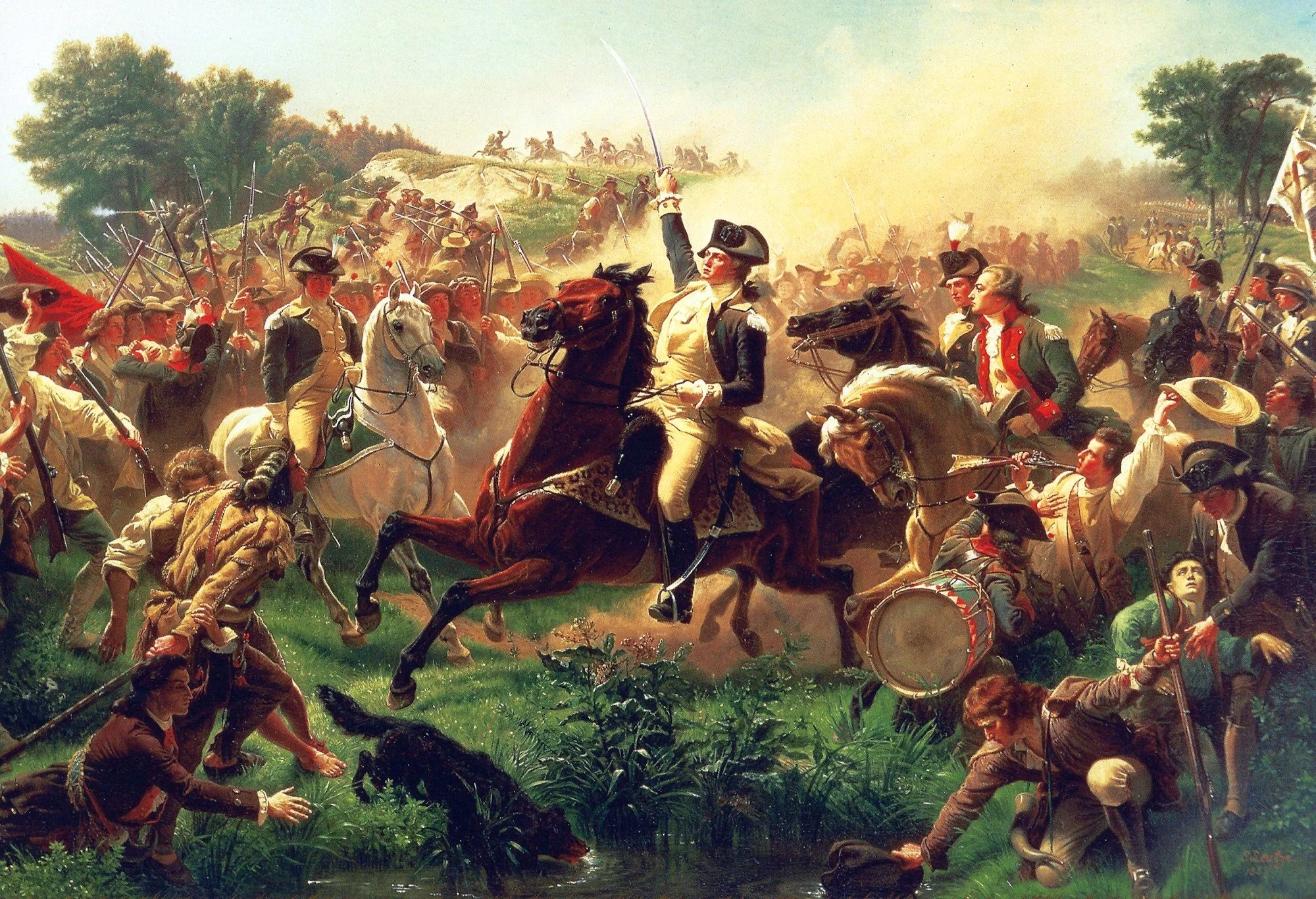
June 28: Molly Pitcher and the Battle of Monmouth
On June 28, 1778, American and British forces fought the Battle of Monmouth near present-day Freehold, New Jersey. The battle became one of the longest single days of combat during the American Revolution and took place in extreme summer heat. General George Washington and the Continental Army attacked the rear of the British army as it moved across New Jersey after leaving Philadelphia. Although the battle did not produce a clear battlefield victory, it showed that the Continental Army had become stronger, more disciplined, and better prepared after its difficult winter at Valley Forge.
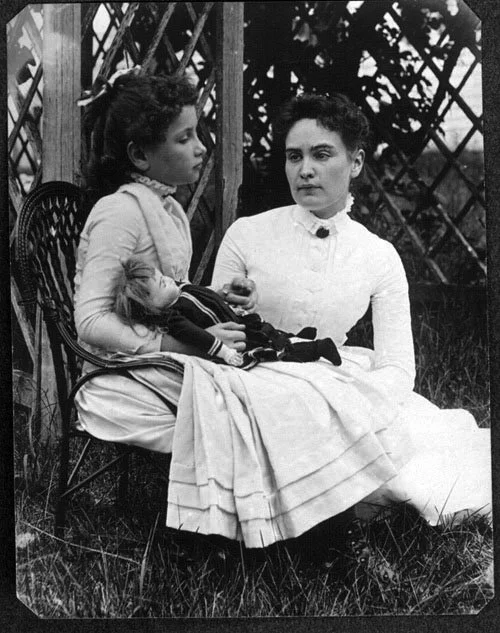
June 27: Helen Keller and the Power of Communication
On June 27, 1880, Helen Keller was born in Tuscumbia, Alabama. As a young child, Keller became both deaf and blind after a serious illness. Because she could not hear spoken words or see the world around her, communication became extremely difficult. Her early childhood was marked by frustration because she had thoughts, needs, and feelings but did not yet have a clear way to express them. Her life changed when teacher Anne Sullivan arrived and began helping Keller connect language to the world through touch.

June 26: John F. Kennedy and the “Ich bin ein Berliner” Speech
On June 26, 1963, President John F. Kennedy stood before a large crowd in West Berlin and delivered one of the most famous speeches of the Cold War. The city of Berlin had become a powerful symbol of the conflict between democracy and communism. After World War II, Berlin was divided into zones controlled by the United States, Great Britain, France, and the Soviet Union.
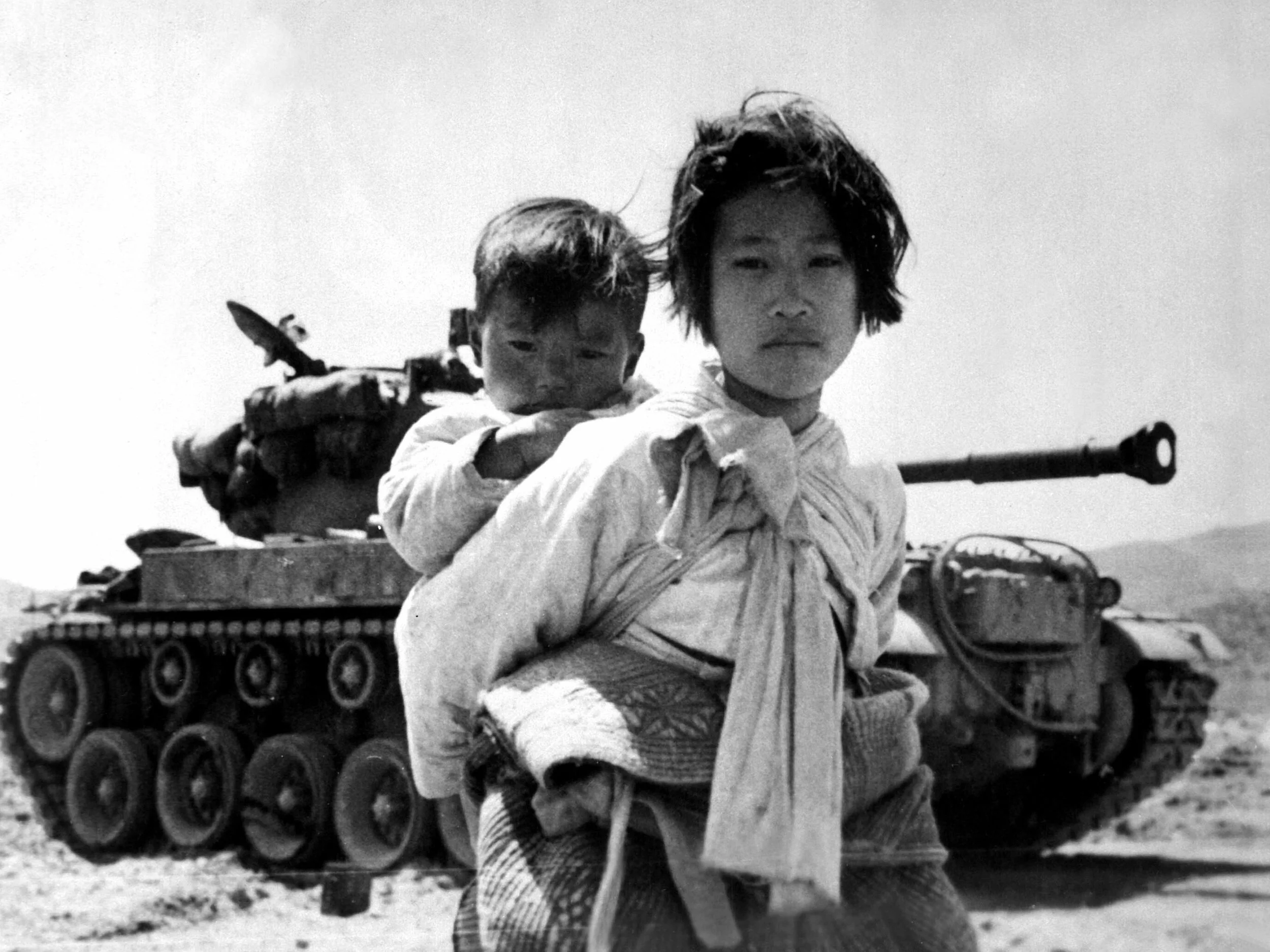
June 25: The Korean War Begins
On June 25, 1950, North Korean forces crossed the 38th parallel and invaded South Korea, beginning the Korean War. The 38th parallel had divided the Korean Peninsula after World War II, with a communist government in the North supported by the Soviet Union and a non-communist Republic of Korea in the South supported by the United States. The invasion quickly became one of the first major military crises of the Cold War.
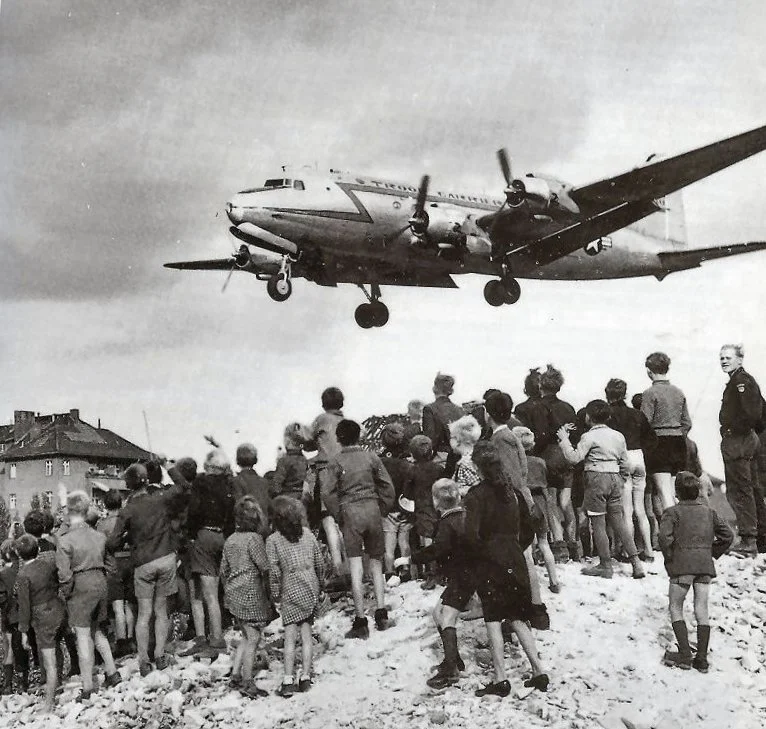
June 24: The Berlin Blockade and the Airlift That Fed a City
On June 24, 1948, Soviet forces blocked road, rail, and water access to West Berlin, cutting off the city from supplies coming from the western zones of Germany. West Berlin was located deep inside Soviet-controlled territory, but it was still occupied by the United States, Great Britain, and France after World War II. The blockade created one of the first major crises of the Cold War because nearly two million people in West Berlin depended on outside supplies for food, fuel, medicine, and basic survival.
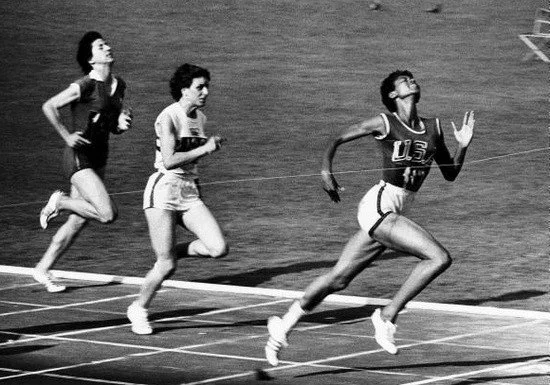
June 23: Wilma Rudolph and the Power of Perseverance
Wilma Rudolph was born on June 23, 1940, in Saint Bethlehem, Tennessee, and grew up in a large family in the segregated South. As a child, she faced serious health challenges, including double pneumonia, scarlet fever, and polio. Polio weakened her left leg, and for several years she wore a leg brace. Doctors were uncertain whether she would walk normally again, but Rudolph’s family helped her through years of therapy and exercises. Her mother regularly took her for treatment, and her siblings helped massage her leg at home.
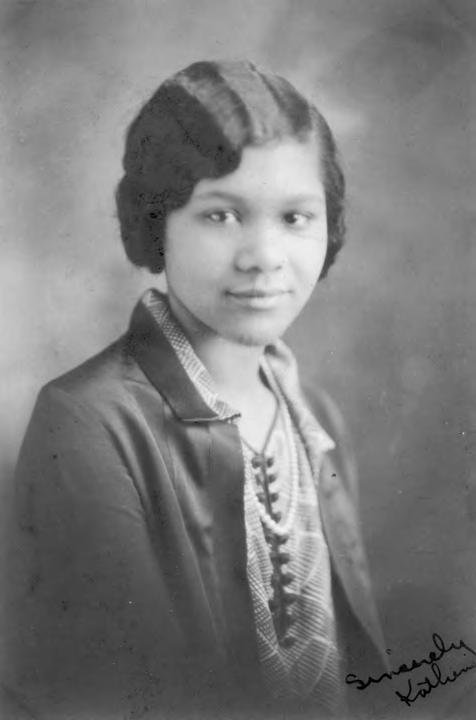
June 22: Katherine Dunham and the Power of Dance
On June 22, 1909, Katherine Dunham was born in Chicago, Illinois.
Katherine Dunham was an influential American dancer, choreographer, teacher, writer, and cultural researcher whose work changed the direction of modern dance. Born on June 22, 1909, in Chicago, Illinois, Dunham developed a lifelong interest in performance, learning, and cultural expression. She studied anthropology at the University of Chicago, where she explored how dance, music, ritual, history, and community identity are connected. This academic background helped her understand dance as more than movement. For Dunham, dance was a way to study people, preserve cultural traditions, and communicate meaning.
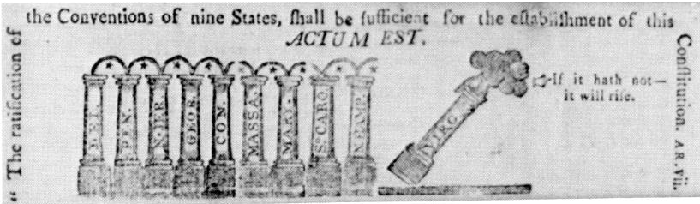
June 21: New Hampshire and the Ratification of the U.S. Constitution
On June 21, 1788, New Hampshire became the ninth state to ratify the United States Constitution. This was a major turning point in American history because the Constitution required approval from nine states before it could become the official framework for the new national government. With New Hampshire’s vote, the Constitution moved from a proposed plan to the foundation of the United States government.
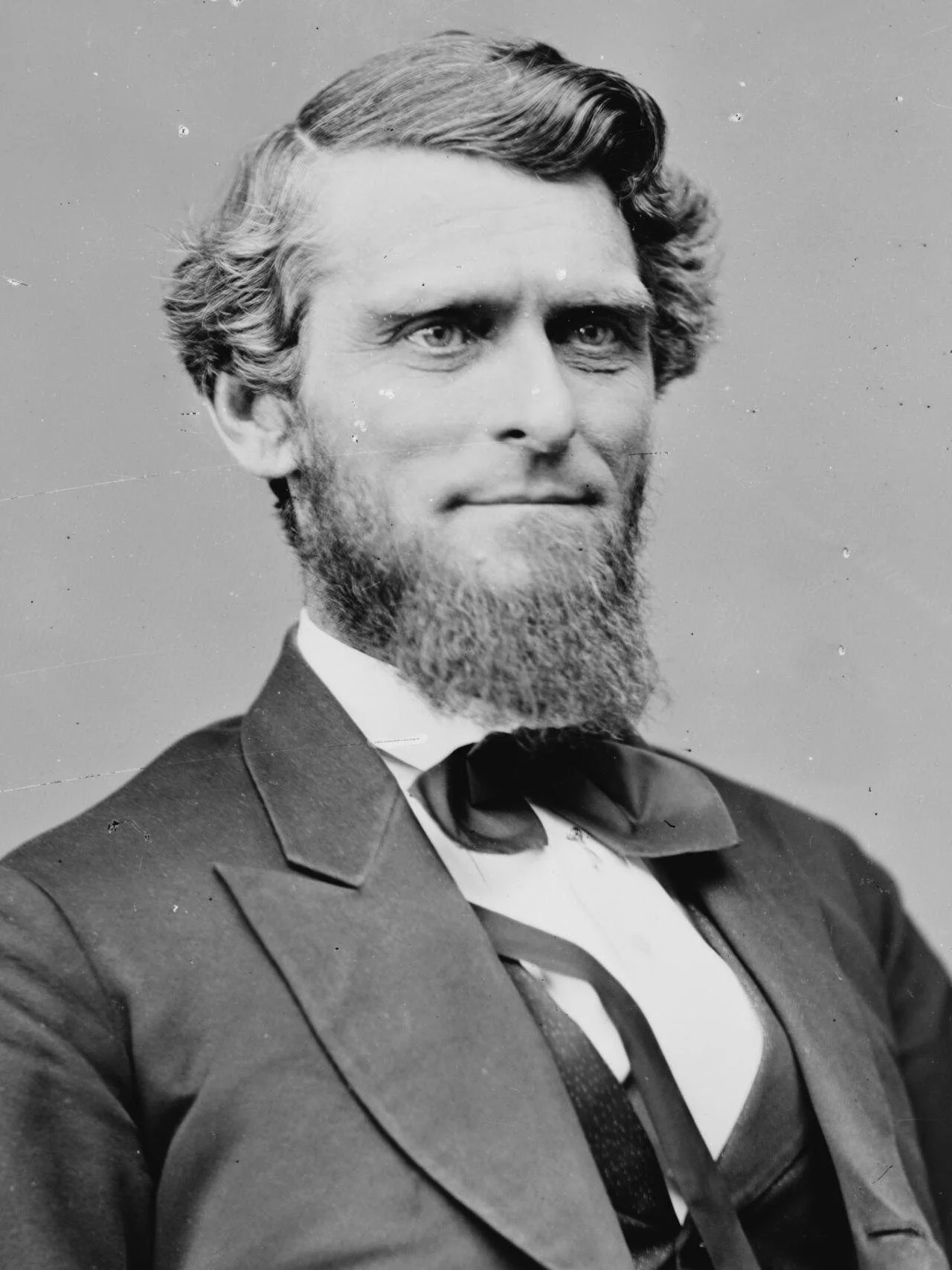
June 20: Arthur Boreman and West Virginia Statehood
On June 20, 1863, West Virginia officially became the 35th state in the United States. Its statehood was unusual because it happened during the Civil War. When Virginia voted to secede from the Union in 1861, many people in the western counties did not agree with secession. These western counties had different economic, political, and geographic interests than eastern Virginia, and many residents wanted to remain loyal to the United States.
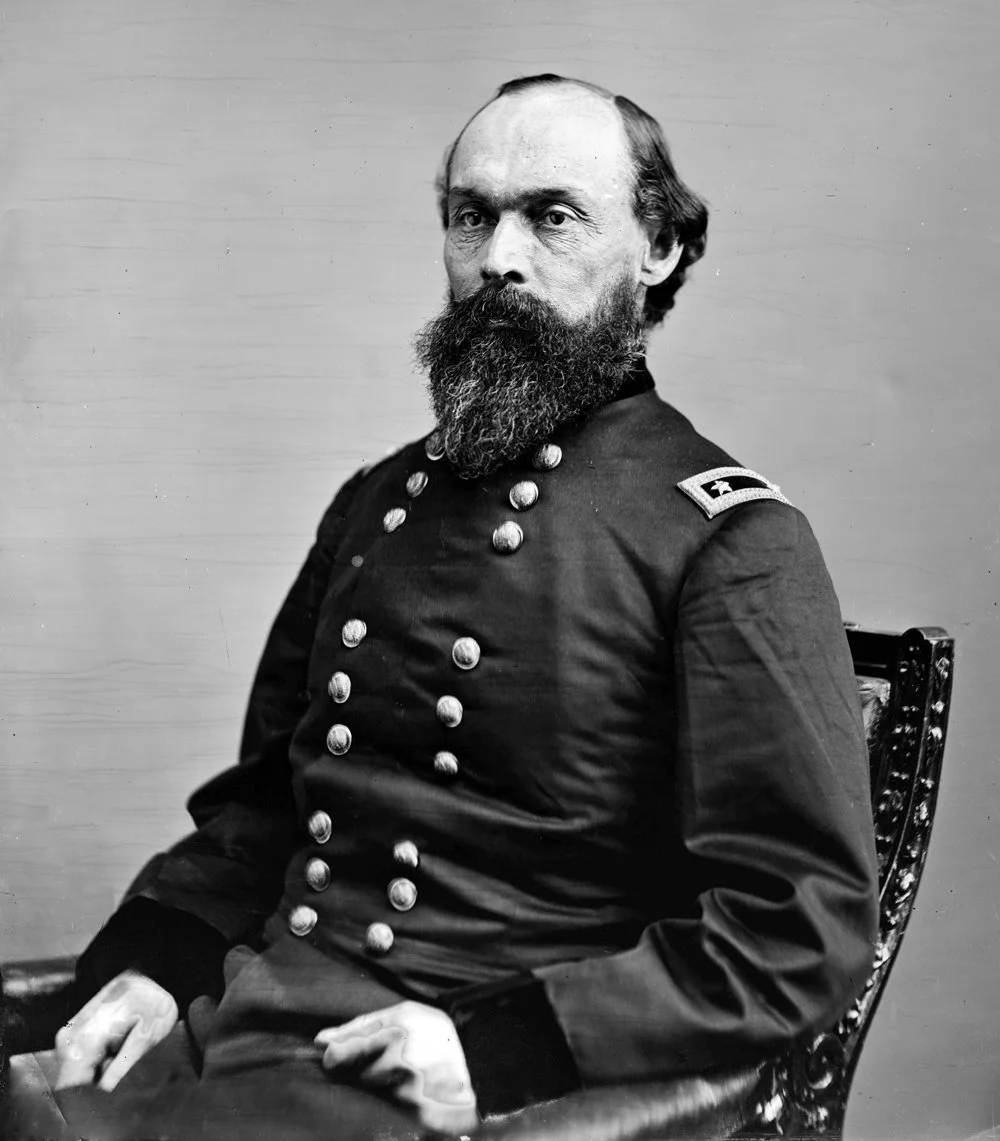
June 19 in American History: Juneteenth and General Order No. 3
On June 19, 1865, U.S. Major General Gordon Granger arrived in Galveston, Texas, and issued General Order No. 3. The order announced that enslaved people in Texas were free. Although President Abraham Lincoln had issued the Emancipation Proclamation more than two years earlier, freedom had not been fully enforced in Texas until Union troops arrived after the Civil War.
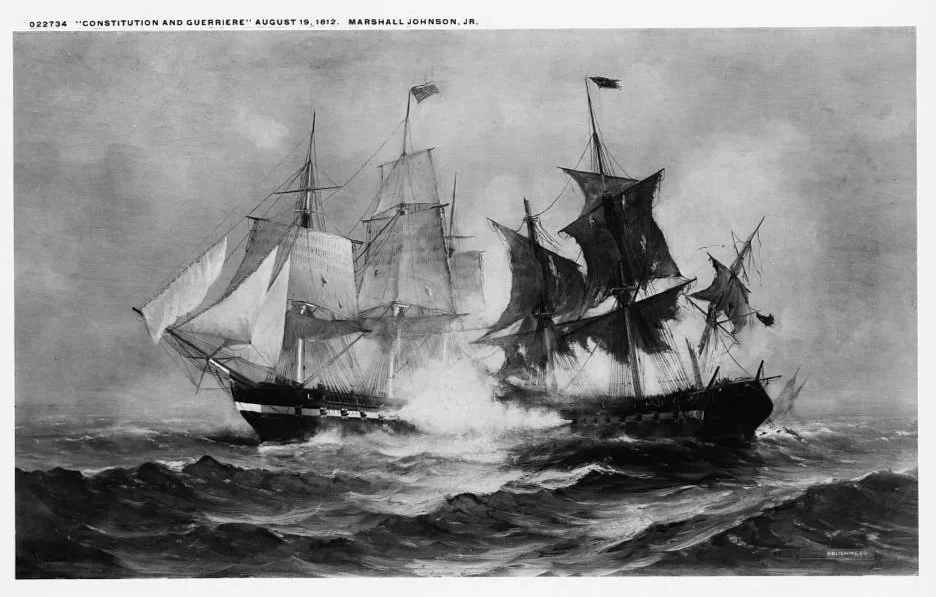
June 18 in American History: James Madison and the Beginning of the War of 1812
On June 18, 1812, President James Madison signed a declaration of war against Great Britain, officially beginning the War of 1812. This was a major moment in American history because it was the first time the United States formally declared war on another nation. The young country was still trying to define its place in the world, defend its sovereignty, and protect its rights on the seas.
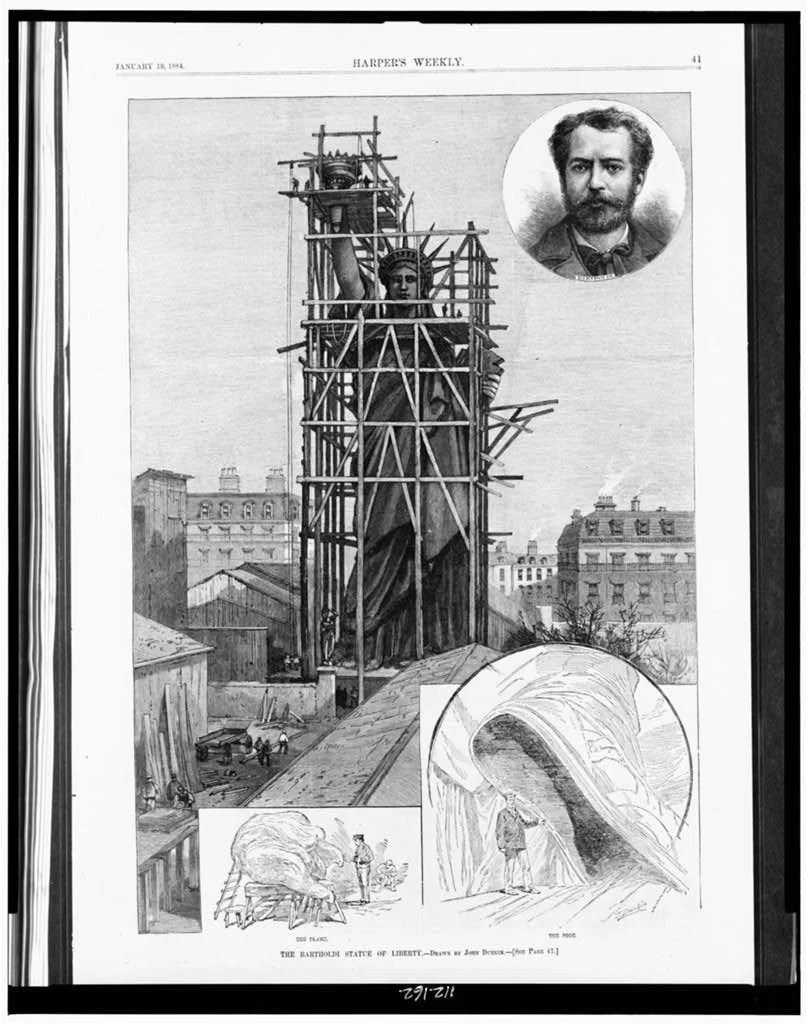
June 17 in American History: The Statue of Liberty Arrives in New York Harbor
On June 17, 1885, the Statue of Liberty arrived in New York Harbor aboard the French ship Isère. Designed by French sculptor Frédéric Auguste Bartholdi, the statue was created to honor the friendship between France and America and to celebrate the ideals of liberty and democratic government. The statue did not arrive standing tall as Americans know it today. It had been disassembled into 350 individual pieces and packed into 214 crates for its journey across the Atlantic Ocean.
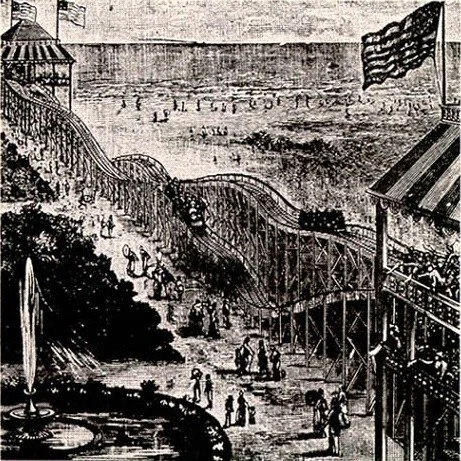
June 16: LaMarcus Thompson and America’s First Roller Coaster
On June 16, 1884, inventor and businessman LaMarcus Adna Thompson opened the Gravity Pleasure Switchback Railway at Coney Island in Brooklyn, New York. Often described as America’s first amusement roller coaster, the ride was far slower and simpler than modern coasters. Passengers rode along a gravity-powered track at about six miles per hour and paid a nickel for the experience. The American Society of Civil Engineers describes the ride as an immediate success. Later roller coaster designs were built on Thompson’s early work.
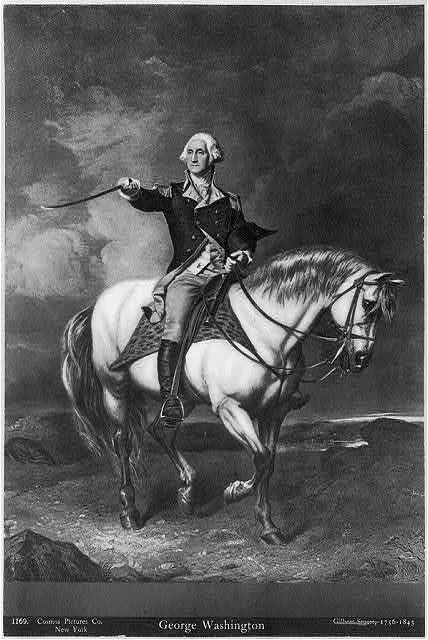
June 15: George Washington Takes Command of the American Revolution
On June 15, 1775, the Second Continental Congress appointed George Washington as commander in chief of the newly formed Continental Army. This decision came just one day after Congress formally created the army, as the colonies faced the growing reality of war with Great Britain. Washington was attending Congress in military uniform, and his selection helped show that the struggle was no longer only a New England conflict but a broader colonial cause. The National Park Service notes that Washington was appointed after a unanimous vote in Independence Hall.
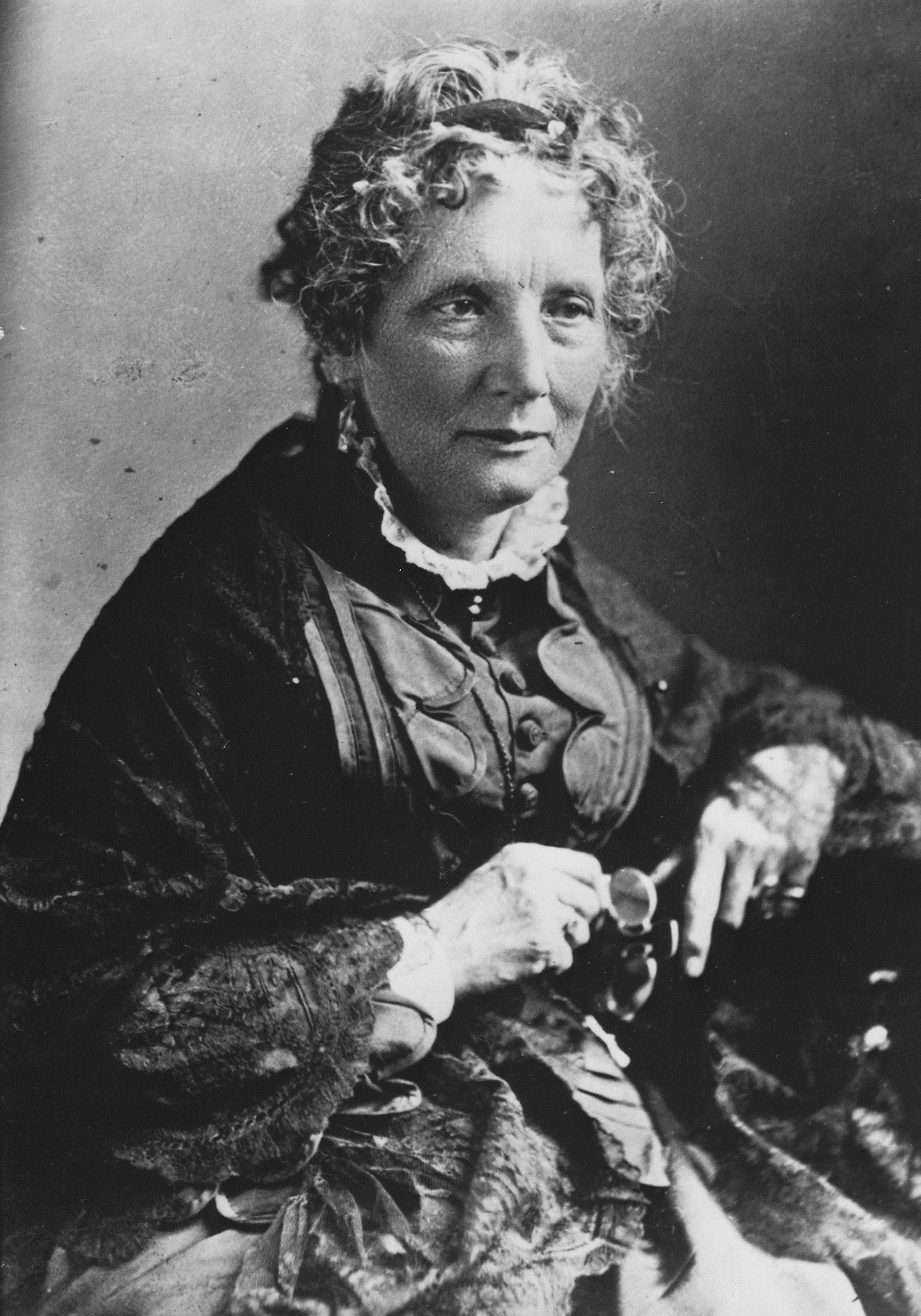
June 14: Harriet Beecher Stowe is born 1811
Harriet Beecher Stowe was born on June 14, 1811, in Litchfield, Connecticut, into the well-known Beecher family, a family deeply involved in religion, education, and reform. Her father, Lyman Beecher, was a prominent minister, and several of her siblings also became influential public figures. Stowe was educated at a time when many women had limited formal opportunities, but she developed strong reading, writing, and critical thinking skills. Her life in Cincinnati, Ohio, near the border between free and slave states, exposed her to debates over slavery and to stories of people who had escaped bondage. These experiences shaped her moral convictions and helped inspire her writing.
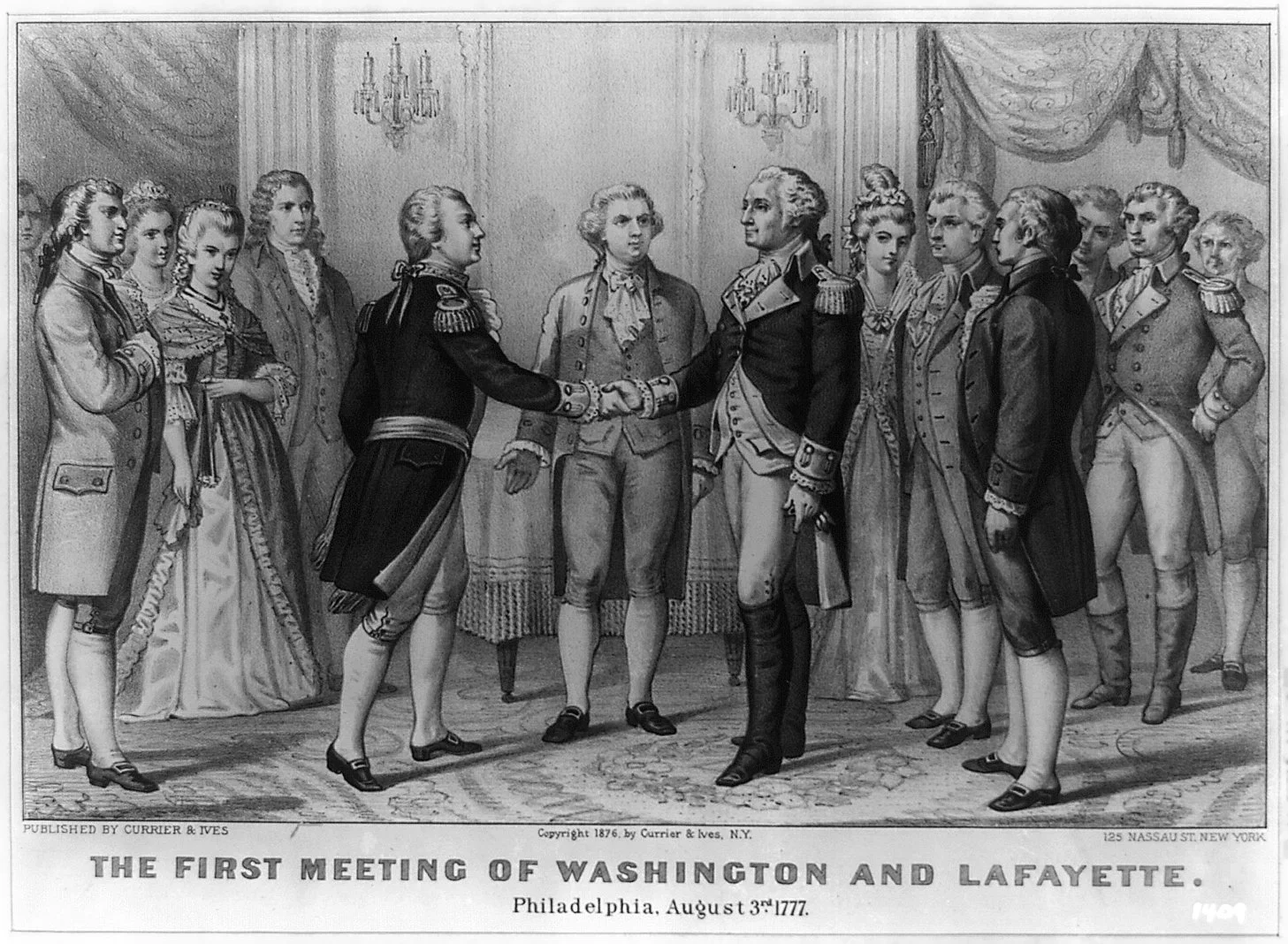
June 13: The Marquis de Lafayette Arrives in America
On June 13, 1777, the Marquis de Lafayette landed near Georgetown, South Carolina, after crossing the Atlantic aboard a ship he had purchased himself, the Victoire. He was only 19 years old, but he came determined to join the American Revolution and support the Continental Army. The Marquis de Lafayette was born Marie-Joseph Paul Yves Roch Gilbert du Motier de La Fayette on September 6, 1757, into a noble family in France. Although he was young and wealthy, Lafayette became deeply interested in the American struggle for independence.
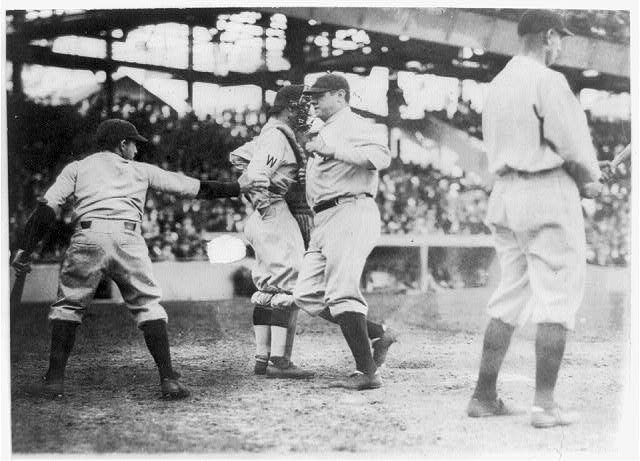
June 12: Babe Ruth and the Day Baseball Built Its Hall of Fame
On June 12, 1939, the National Baseball Hall of Fame held its first formal induction ceremony in Cooperstown, New York. The event brought together some of the most famous names in baseball history, including Babe Ruth, Ty Cobb, Honus Wagner, Walter Johnson, Cy Young, Connie Mack, Eddie Collins, George Sisler, Tris Speaker, Grover Cleveland Alexander, and Napoleon Lajoie. The Hall of Fame notes that the first induction ceremony was held on June 12, 1939, with all 11 living baseball players inducted into the Hall of Fame present in Cooperstown.
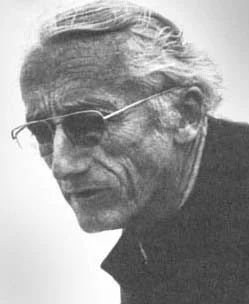
June 11: Jacques Cousteau and the World Beneath the Sea
Jacques-Yves Cousteau was born on June 11, 1910, in France and became one of the most famous ocean explorers of the twentieth century. As a young man, he served in the French navy and developed a deep interest in the sea, photography, and underwater exploration. After a serious automobile accident ended some of his early ambitions, Cousteau turned even more fully toward the ocean. His curiosity led him to experiment with underwater filming and diving equipment at a time when much of the underwater world was still difficult for people to reach and study.
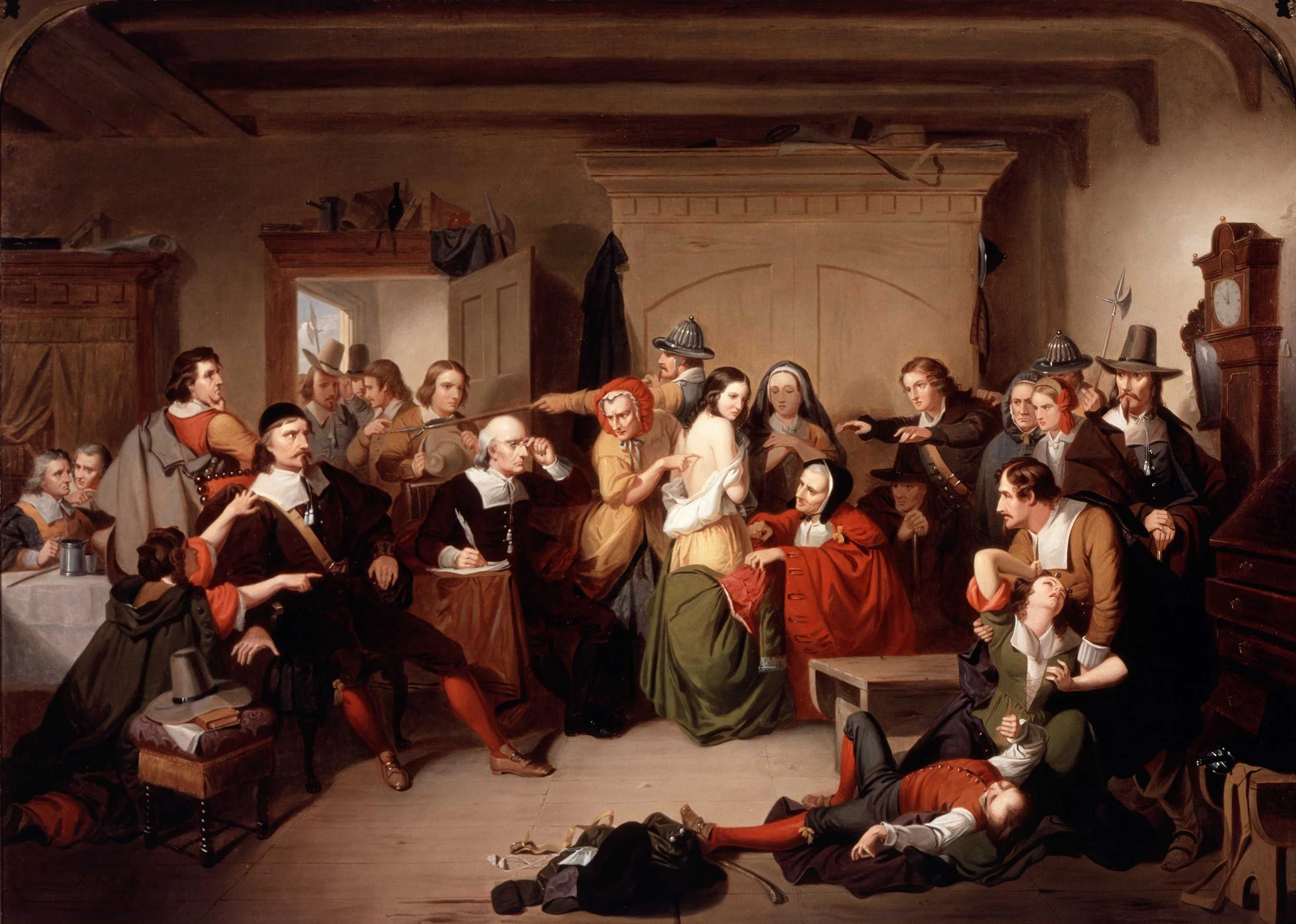
June 10: Bridget Bishop and the Salem Witch Trials
On June 10, 1692, Bridget Bishop became the first person executed during the Salem Witch Trials in Massachusetts. She had been accused of witchcraft during a period of fear and suspicion in Salem Village and Salem Town. The Salem Witch Trials took place in colonial Massachusetts in 1692 and 1693, during a time of fear, religious tension, political uncertainty, and community conflict. The crisis began in Salem Village when several young girls started having strange fits and accused others of causing their suffering through witchcraft.