
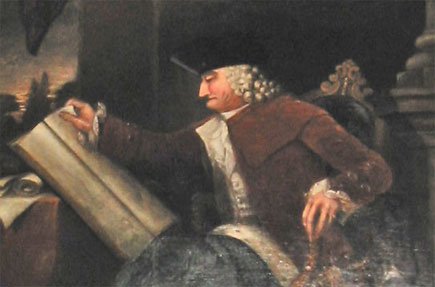
June 9: James Oglethorpe and the Georgia Charter of 1732
On June 9, 1732, King George II granted a royal charter to the Trustees for Establishing the Colony of Georgia in America. The colony was named for the king, but the person most closely connected to the idea was James Edward Oglethorpe, a British reformer, soldier, and member of Parliament. The Library of Congress explains that Oglethorpe had become concerned about poor and debt-ridden people in London and supported the idea of giving them a fresh start in America. Georgia was also intended to serve as a defensive buffer between South Carolina and Spanish Florida.
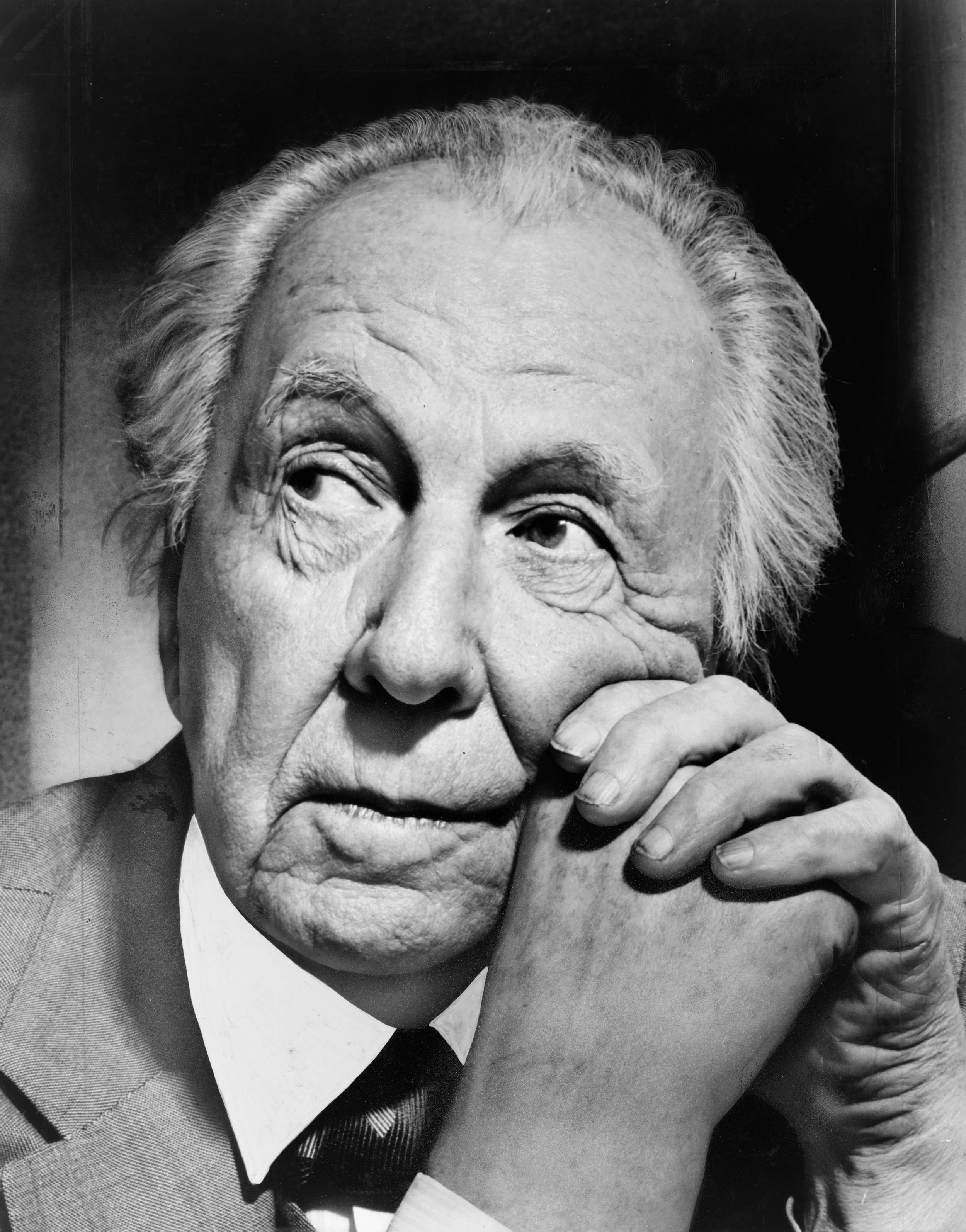
June 8: Frank Lloyd Wright Is Born in Wisconsin
On June 8, 1867, Frank Lloyd Wright was born in Richland Center, Wisconsin. He became one of the most influential architects in American history, known for changing the way people thought about homes, buildings, space, landscape, and modern design. The Frank Lloyd Wright Foundation describes Wright as the son of William Carey Wright, a preacher and musician, and Anna Lloyd Jones, a teacher whose Welsh family had settled near Spring Green, Wisconsin.
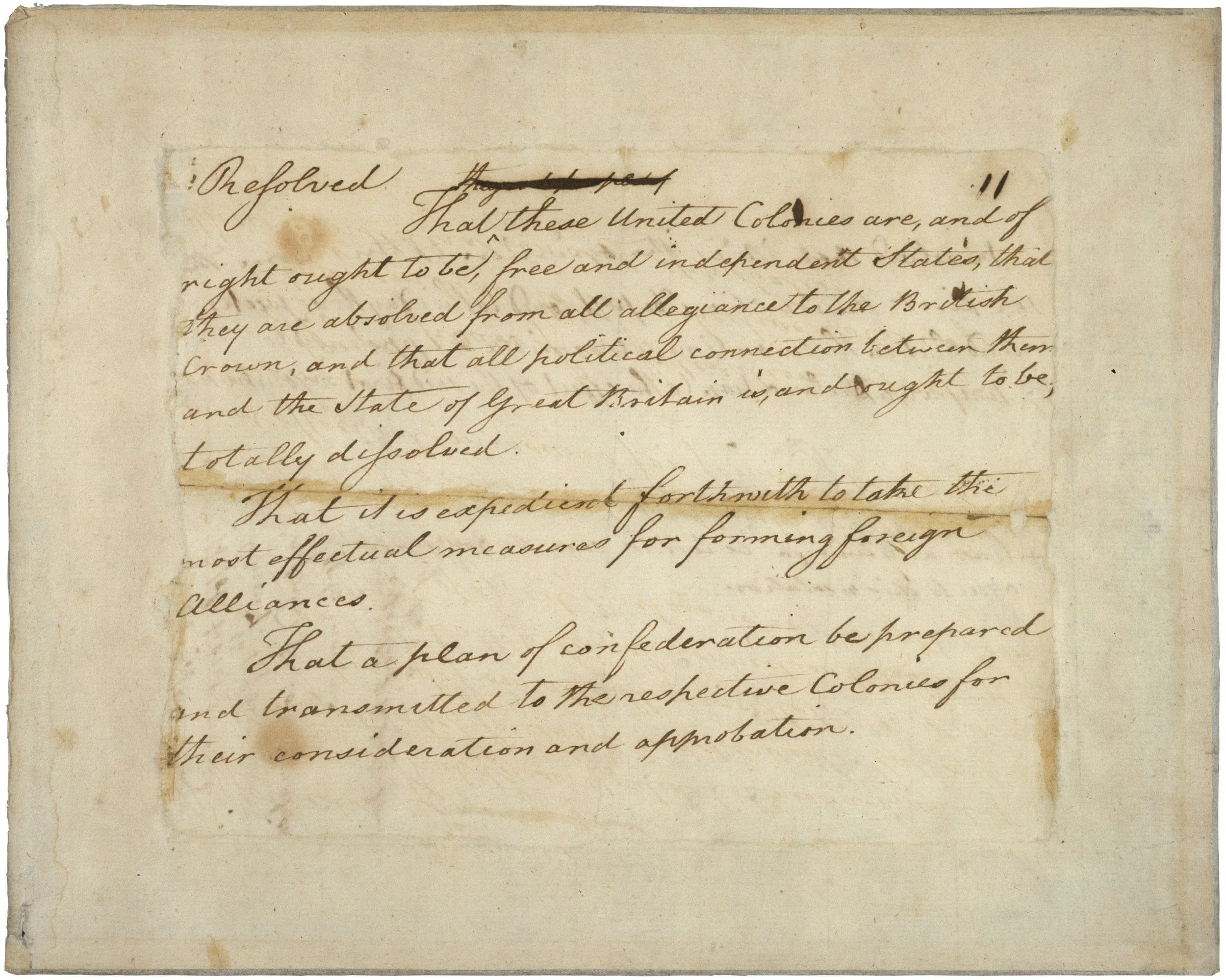
June 7: Richard Henry Lee Introduces the Resolution for Independence
On June 7, 1776, Richard Henry Lee of Virginia introduced a resolution to the Second Continental Congress declaring that the American colonies “are, and of right ought to be, free and independent States.” This became known as the Lee Resolution. It was one of the most important steps toward the Declaration of Independence because it formally placed the question of independence before Congress.
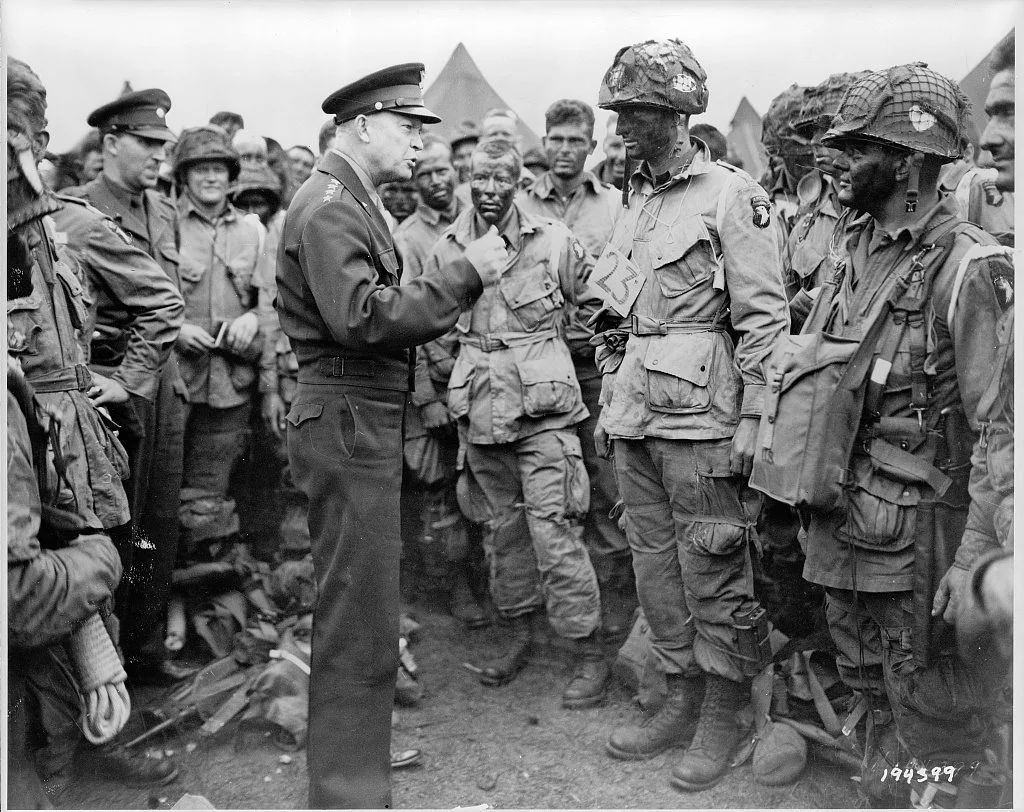
June 6: Dwight D. Eisenhower and D-Day
On June 6, 1944, Allied forces launched the Normandy invasion, remembered as D-Day, one of the most consequential military operations of World War II. The operation, code-named Operation Overlord, brought together land, air, and sea forces in what the Eisenhower Presidential Library describes as the largest amphibious invasion in military history. Allied troops landed on five beaches in Normandy, France: Utah, Omaha, Gold, Juno, and Sword. More than 150,000 Allied troops took part, supported by thousands of ships, landing craft, and aircraft. The invasion opened a western front against Nazi Germany and began the long, costly campaign to liberate France and Western Europe.
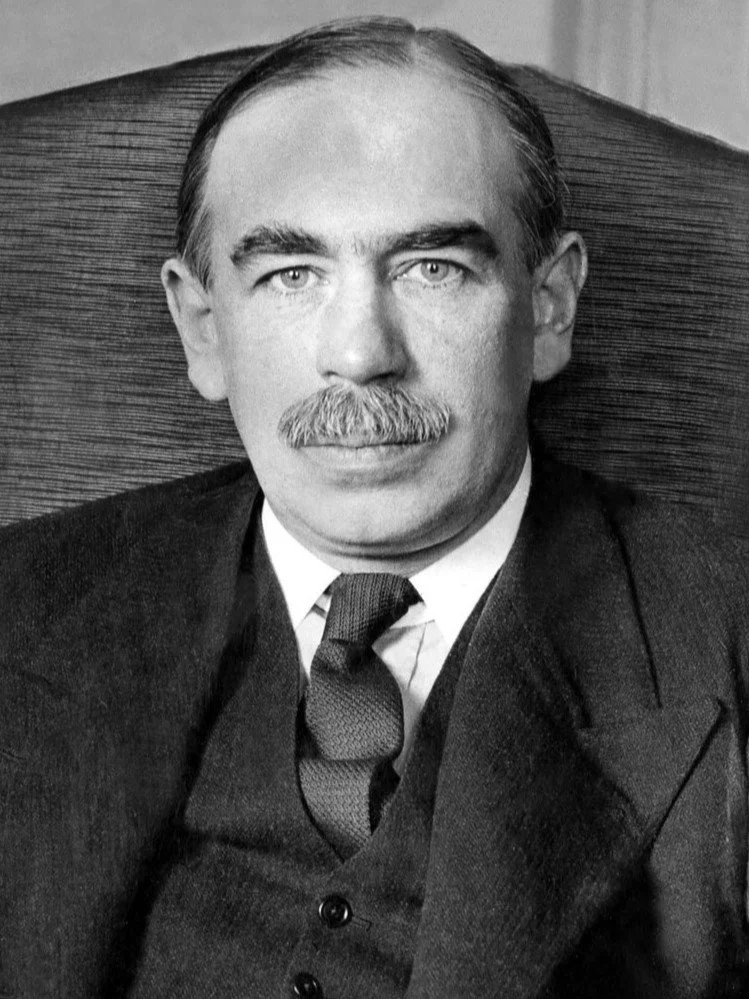
June 5: The Birth of Economist John Maynard Keynes
On June 5, 1883, John Maynard Keynes was born in Cambridge, England. Keynes became one of the twentieth century’s most influential economists by challenging the belief that free markets would always recover quickly from economic downturns without government intervention. During the Great Depression, he argued that prolonged unemployment could result when households and businesses reduced spending simultaneously, causing demand, production, and employment to continue falling. His major work, The General Theory of Employment, Interest and Money, proposed that governments could respond to severe recessions by increasing public spending and supporting employment.
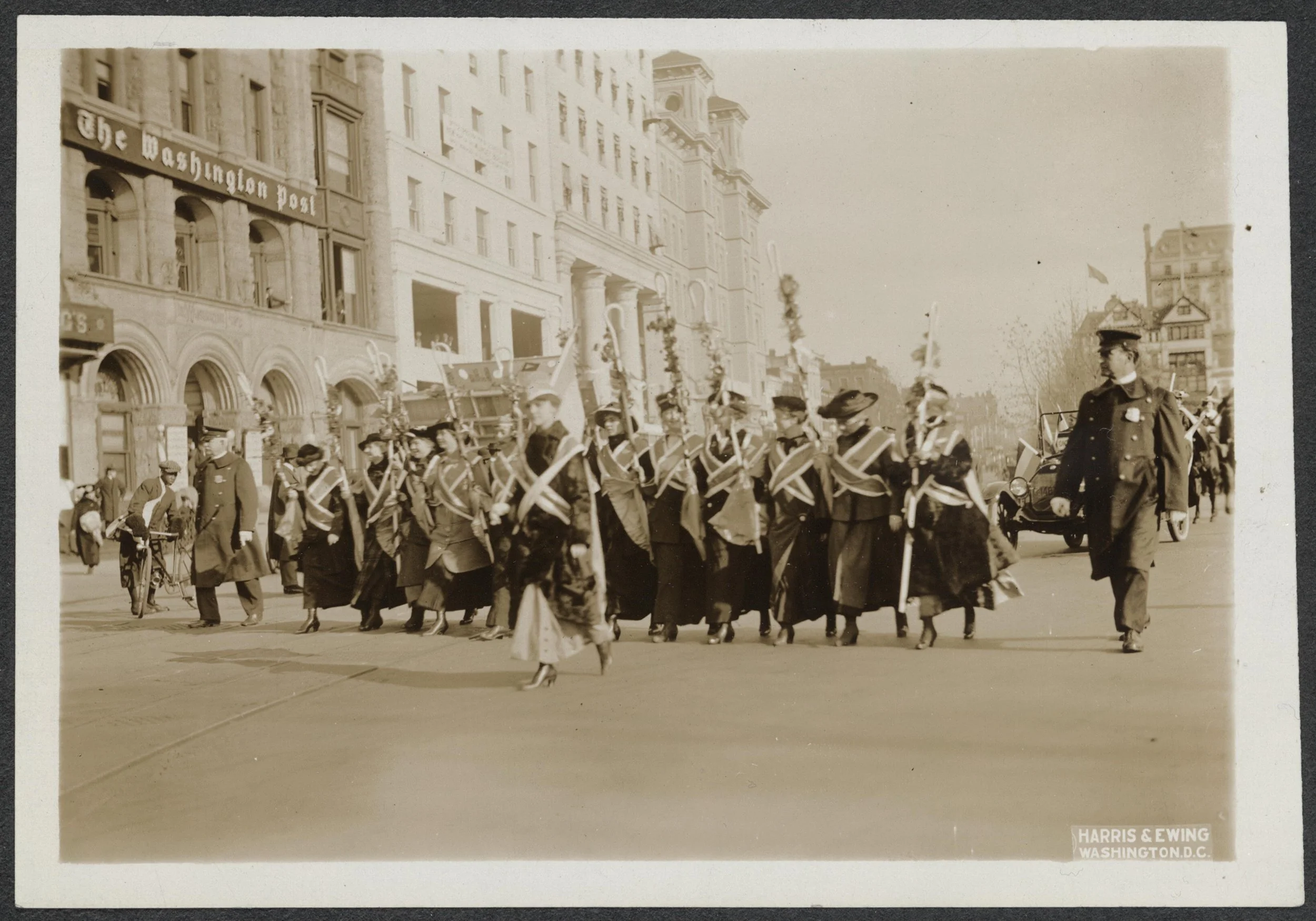
June 4: Congress Passes the 19th Amendment
On June 4, 1919, the United States Congress approved the 19th Amendment and sent it to the states for ratification. The amendment stated that the right to vote could not be denied “on account of sex.” It was ratified on August 18, 1920, after Tennessee became the 36th state to approve it. This event was a major turning point in American history because it recognized women’s constitutional right to vote after decades of organizing, petitioning, marching, writing, lobbying, and public protest.

June 3, 1965: Edward H. White II Becomes the First American to Walk in Space
On June 3, 1965, NASA astronaut Edward H. White II became the first American to walk in space during the Gemini IV mission. White opened the hatch of the Gemini spacecraft and moved outside while attached by a tether and life-support umbilical. His extravehicular activity, or EVA, lasted a little over 20 minutes, marking a major step forward for the United States during the Space Race.
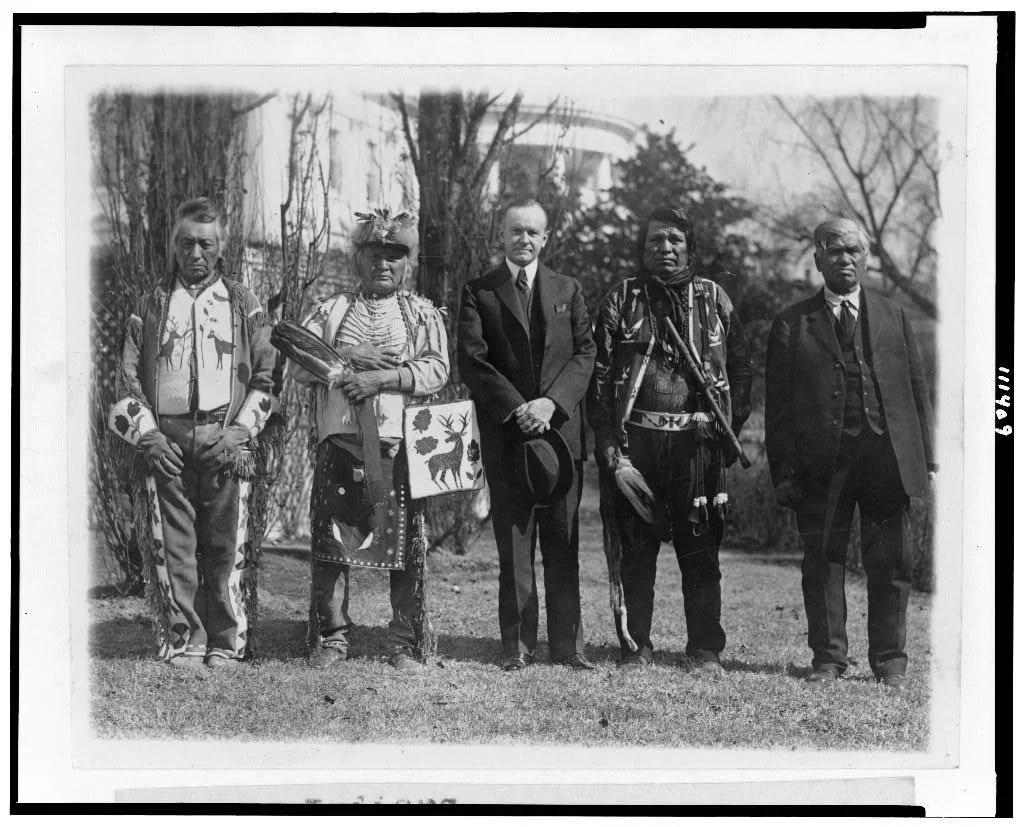
June 2: The Indian Citizenship Act of 1924
On June 2, 1924, President Calvin Coolidge signed the Indian Citizenship Act, also known as the Snyder Act, into law. The act granted United States citizenship to all Native Americans born within the territorial limits of the United States. This was an important turning point in American history because it addressed citizenship status at the federal level for Native people, many of whom had served in the U.S. military during World War I but still did not have full citizenship recognition.
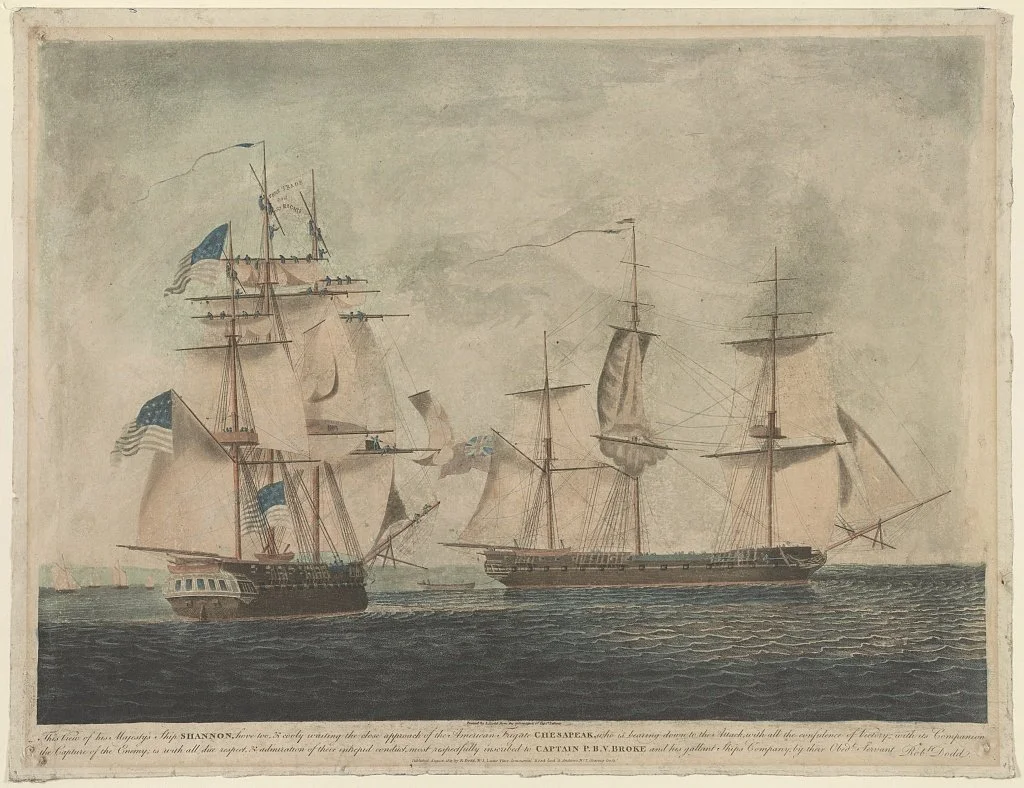
June 1: Don’t Give Up the Ship!
On June 1, 1813, the American frigate USS Chesapeake sailed out of Boston Harbor to face the British frigate HMS Shannon during the War of 1812. The battle took place at a time when the United States Navy was still young and eager to prove itself against Britain’s powerful Royal Navy. Captain James Lawrence, newly assigned to the Chesapeake, accepted the challenge from British Captain Philip Broke, who had carefully trained his crew for close combat. Although the two ships were similar in size and firepower, the Shannon had a better-prepared crew, while the Chesapeake suffered from poor discipline, recent crew changes, and confusion on board.
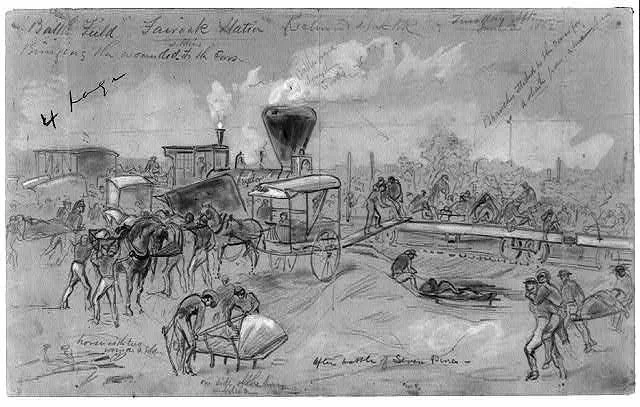
May 31: Joseph E. Johnston Is Wounded at the Battle of Seven Pines
On May 31, 1862, during the Battle of Seven Pines near Richmond, Virginia, Confederate General Joseph E. Johnston was seriously wounded. The battle took place during the Peninsula Campaign, when Union General George B. McClellan’s army was pressing toward Richmond. Seven Pines produced heavy losses on both sides, but its most important consequence was a leadership change: Johnston’s injury led to Robert E. Lee taking command of the Confederate army that would soon become known as the Army of Northern Virginia.

May 30: Benny Goodman is Born in Chicago
On May 30, 1909, Benny Goodman was born in Chicago, Illinois.. He became one of the most influential American musicians of the twentieth century and was later known as the “King of Swing.” Swing music became one of the defining sounds of American culture during the 1930s and 1940s. Growing out of jazz, swing featured strong rhythm, lively dance tempos, big band arrangements, and sections of brass, reeds, and percussion working together in an energetic, polished sound.
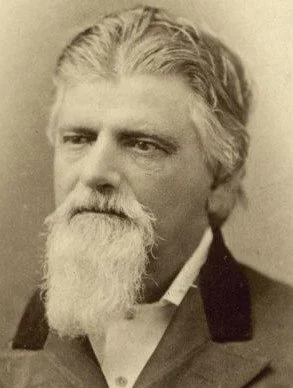
May 29, 1848: Wisconsin Becomes the 30th State
On May 29, 1848, Wisconsin was admitted to the Union as the 30th state. This was a major turning point in American expansion because Wisconsin was the last state formed entirely from the old Northwest Territory. Its statehood also reflected the rapid movement of settlers, immigrants, farmers, miners, and business interests into the upper Midwest. Wisconsin’s constitution made public education a central responsibility of state government.
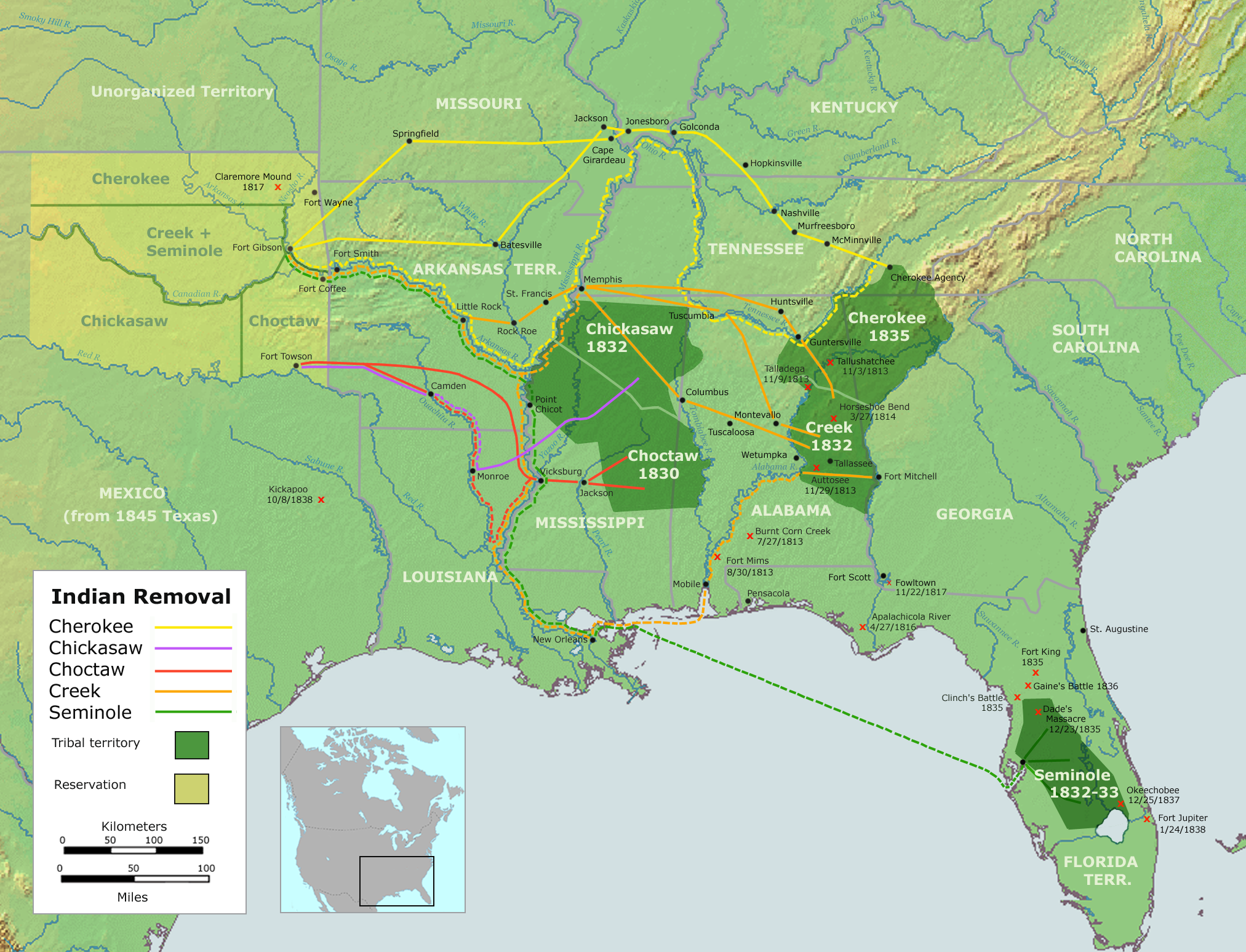
May 28: Indian Removal Act of 1830
On May 28, 1830, President Andrew Jackson signed the Indian Removal Act into law. The Indian Removal Act of 1830 gave the president authority to negotiate treaties that would move Native nations living east of the Mississippi River to lands west of the river. In practice, the law helped the federal government pressure Native nations to give up ancestral homelands in the Southeast, including land in Georgia, Alabama, Mississippi, Tennessee, North Carolina, and surrounding areas.

May 27: Golden Gate Opens
On May 27, 1937, the Golden Gate Bridge opened first to pedestrians, not automobiles. The event was called Pedestrian Day and marked the beginning of a week-long Golden Gate Bridge Fiesta celebrating the bridge’s completion. More than 200,000 people paid 25 cents to walk across the bridge, and the next day President Franklin D. Roosevelt officially opened it to vehicle traffic by pressing a telegraph key from the White House. The bridge was a major engineering achievement built during the Great Depression, with construction beginning in 1933 and finishing ahead of schedule and under budget.
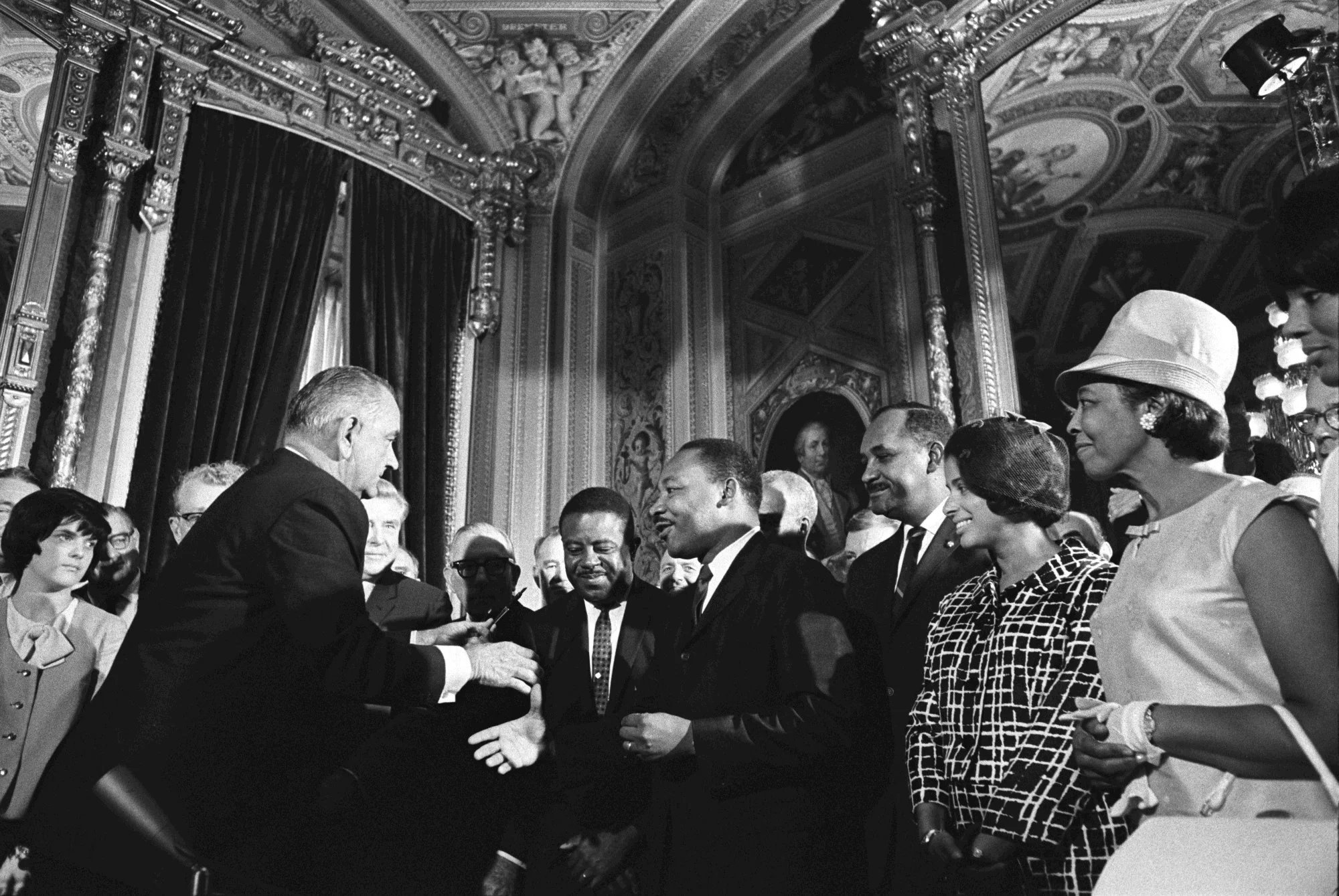
May 26: Voting Rights Act of 1965
On May 26, 1965, the United States Senate passed the Voting Rights Act of 1965 by a vote of 77–19, moving one of the most important civil rights laws in American history closer to final passage. Although this event is usually remembered as a voting-rights milestone, it also connects strongly to educational history because many discriminatory voting practices were tied to unequal access to education. Literacy tests, confusing registration requirements, and unequal schooling had been used to prevent many Black citizens from exercising their constitutional rights.
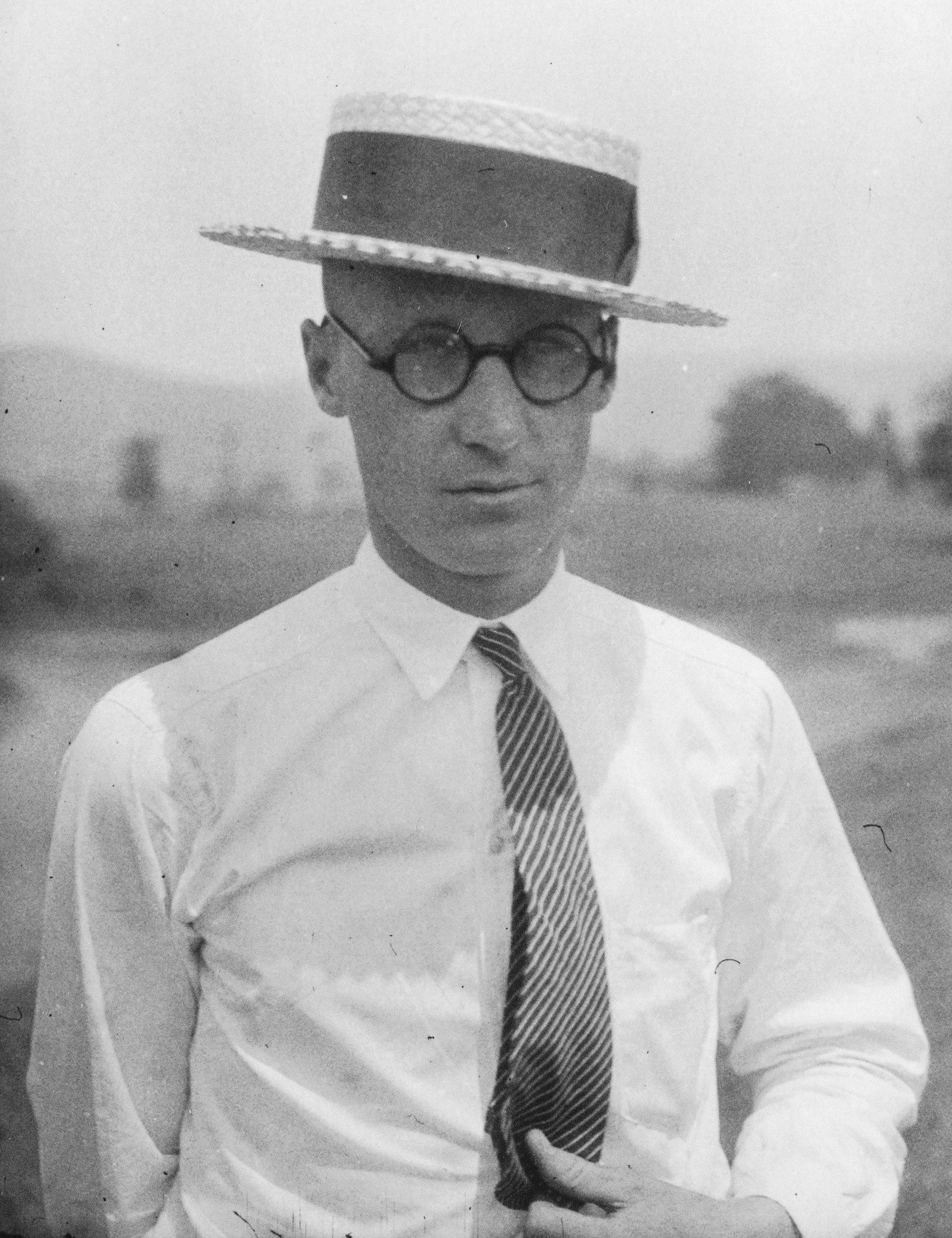
May 25: Scopes Trial
On May 25, 1925, a grand jury in Dayton, Tennessee, indicted high school teacher John T. Scopes for violating the state’s Butler Act, which prohibited public school teachers from teaching human evolution. Scopes, a young science teacher, became the defendant in what became known as the Scopes “Monkey Trial.”The state of Tennessee v. John Thomas Scopes drew national attention because it raised major questions about science education, religious belief, academic freedom, and who should decide what could be taught in public schools.
May 24: Prudence Crandall
On May 24, 1833, the Connecticut General Assembly passed what became known as the Connecticut “Black Law,” a law designed to stop educator Prudence Crandall from teaching Black female students at her school in Canterbury, Connecticut. Crandall had opened one of the first schools in the United States dedicated to the education of Black girls, but many local residents opposed the school. The new law made it illegal to educate African American students from outside Connecticut without local permission. Crandall refused.
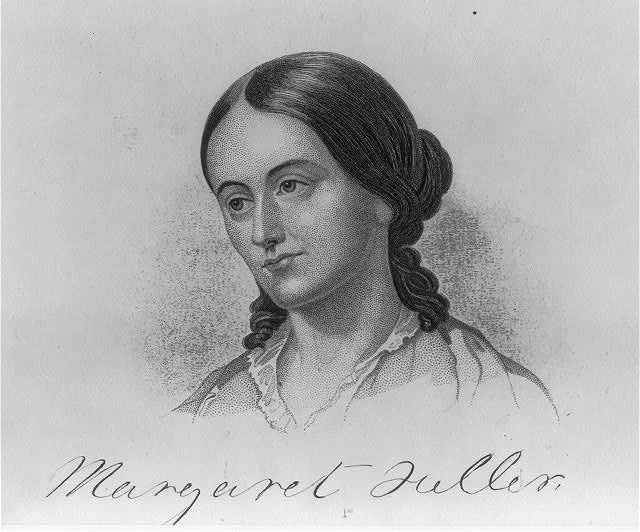
May 23: Margaret Fuller
Margaret Fuller became an influential American teacher, writer, editor, journalist, and advocate for women’s rights. She argued that women deserved serious educational opportunities at a time when higher education was largely closed to them. She also led “Conversations,” organized discussions for women in Boston to share their ideas on women’s rights in society.
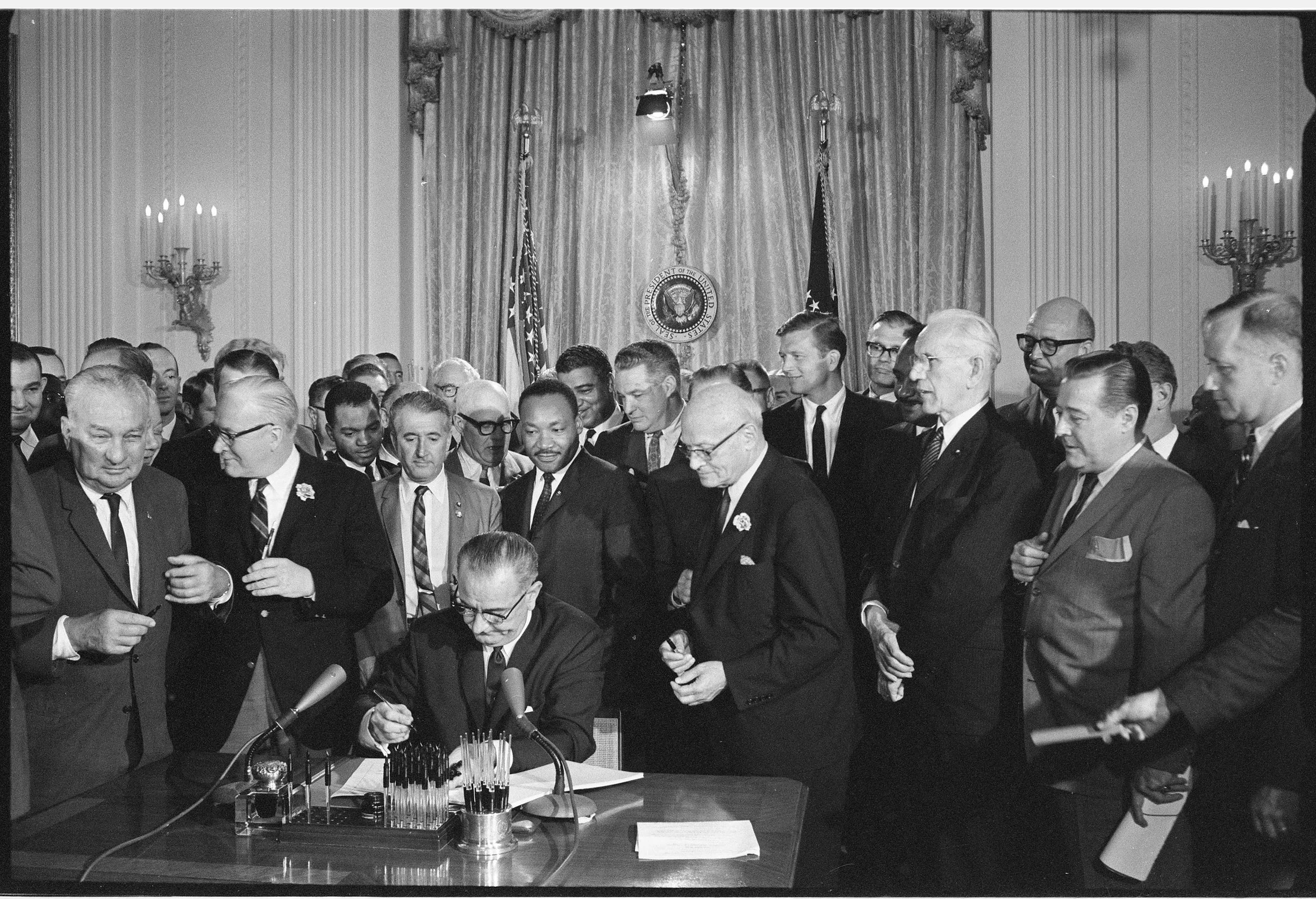
May 22: Johnson’s Great Society
On May 22, 1964, President Lyndon B. Johnson delivered his historic “Great Society” speech at the University of Michigan. In the address, Johnson presented a broad national vision focused on reducing poverty, confronting racial injustice, improving cities, protecting natural resources, and strengthening education. His comments were especially important for education because he identified America’s classrooms as one of the central places where the Great Society would be built.
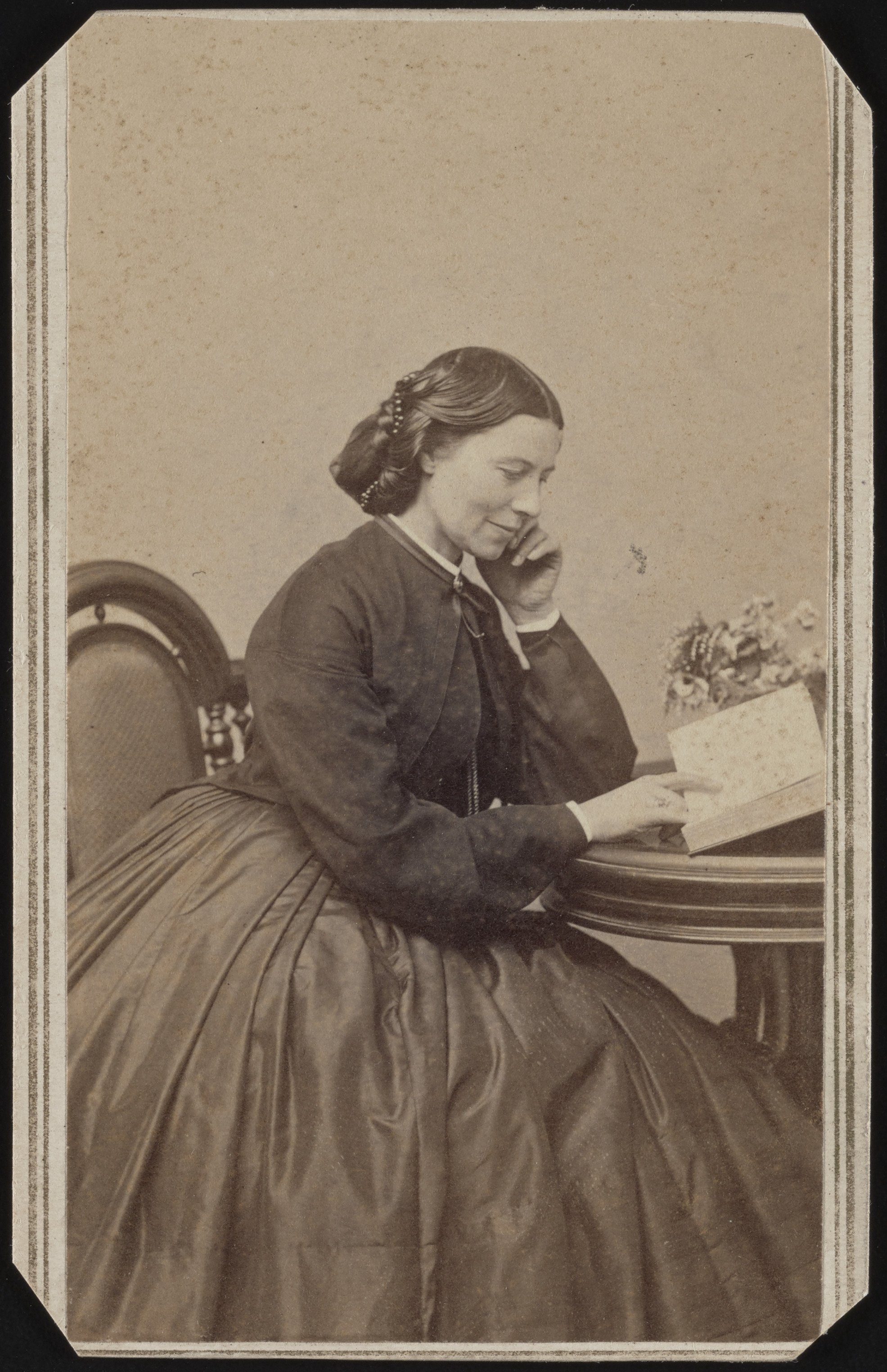
May 21: Clara Barton
Clara Barton founded the American Red Cross in Washington, D.C. Barton is best known for nursing and humanitarian work, but she also had a strong education connection: Clara Barton became widely known for her humanitarian service during the Civil War, when she collected and delivered medical supplies directly to Union soldiers and cared for the wounded near the front lines.