May 24: Prudence Crandall
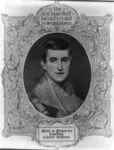
Prudence Crandall
On May 24, 1833, the Connecticut General Assembly passed what became known as the Connecticut “Black Law,” a law designed to stop educator Prudence Crandall from teaching Black female students at her school in Canterbury, Connecticut. Crandall had opened one of the first schools in the United States dedicated to the education of Black girls, but many local residents opposed the school. The new law made it illegal to educate African American students from outside Connecticut without local permission. Crandall refused to close her school, was later arrested, and became an important figure in the long struggle for educational equality. This event is significant because it shows how access to education has often been tied to larger fights over race, citizenship, and civil rights in American history.
Many local residents opposed the school and tried to force it to close. The new Connecticut law made it illegal to educate African American students from outside the state without local permission. Crandall refused to obey the unjust law, was arrested, and spent time in jail because she believed Black students had the same right to learn as white students. Although the school eventually closed because of harassment and threats, Crandall’s actions became an important part of the long struggle for educational equality. This event is significant because it shows how access to education has often been tied to larger fights over race, citizenship, and civil rights in American history. It also reminds students that one teacher’s courage can challenge unfair laws and help move a nation closer to justice.
To read the court case against Prudence Crandall, CLICK HERE.
Project 1: Educational Equality Timeline Project
Project Description:
Students create a visual timeline about Prudence Crandall and the fight for Black students’ right to education. The timeline should begin with Crandall opening her school for Black girls in Canterbury, Connecticut, and continue through the passage of the Connecticut “Black Law,” her arrest, the closing of the school, and her later recognition as an important figure in educational history. Students should include dates, short descriptions, images, symbols, or illustrations that represent education, equality, justice, and courage.
Goals:
Students will understand how Prudence Crandall’s school became part of the larger struggle for educational equality. They will practice organizing historical events in chronological order and explaining why those events mattered.
Expected Outcomes:
By the end of the project, students will produce a completed visual timeline with accurate dates, clear explanations, and appropriate visuals. Students should be able to explain how the Connecticut “Black Law” limited educational access and why Crandall’s actions were historically significant.
Project 2: Courageous Educator Character Study
Project Description:
Students complete a character study of Prudence Crandall by identifying the traits that made her an important educational leader. They may focus on courage, fairness, persistence, compassion, and moral conviction. Students can write a one-page reflection answering: Why was Prudence Crandall willing to risk her safety and reputation to educate Black girls? Younger students may create a “character shield” with words and pictures that represent her values.
Common Core State Standards Addressed:
Goals:
Students will analyze how personal character and moral courage can influence history. They will connect Crandall’s choices to broader themes of justice, education, and leadership.
Expected Outcomes:
Students will complete a written or visual character study that identifies at least three character traits and supports each one with evidence from Crandall’s life. Students should be able to explain how one person’s commitment to fairness helped challenge unjust educational practices.
Project 3: Then-and-Now Education Rights Poster
Project Description:
Students design a poster comparing education rights in the 1830s with education rights today. One side of the poster should show the obstacles faced by Black students and teachers during Prudence Crandall’s time. The other side should show modern principles such as equal access, civil rights, school choice, and protection against discrimination. Students should include a short statement at the bottom explaining why education should be available to all children.
Goals:
Students will compare past and present educational rights and recognize how laws, social attitudes, and civil rights movements have shaped access to schooling. They will also practice making a claim about why equal access to education matters.
Expected Outcomes:
Students will create a clear, organized comparison poster showing differences between education in Prudence Crandall’s time and education today. Students should include factual details, visual symbols, and a written statement explaining the importance of educational opportunity for all children.