May 25: Scopes Trial
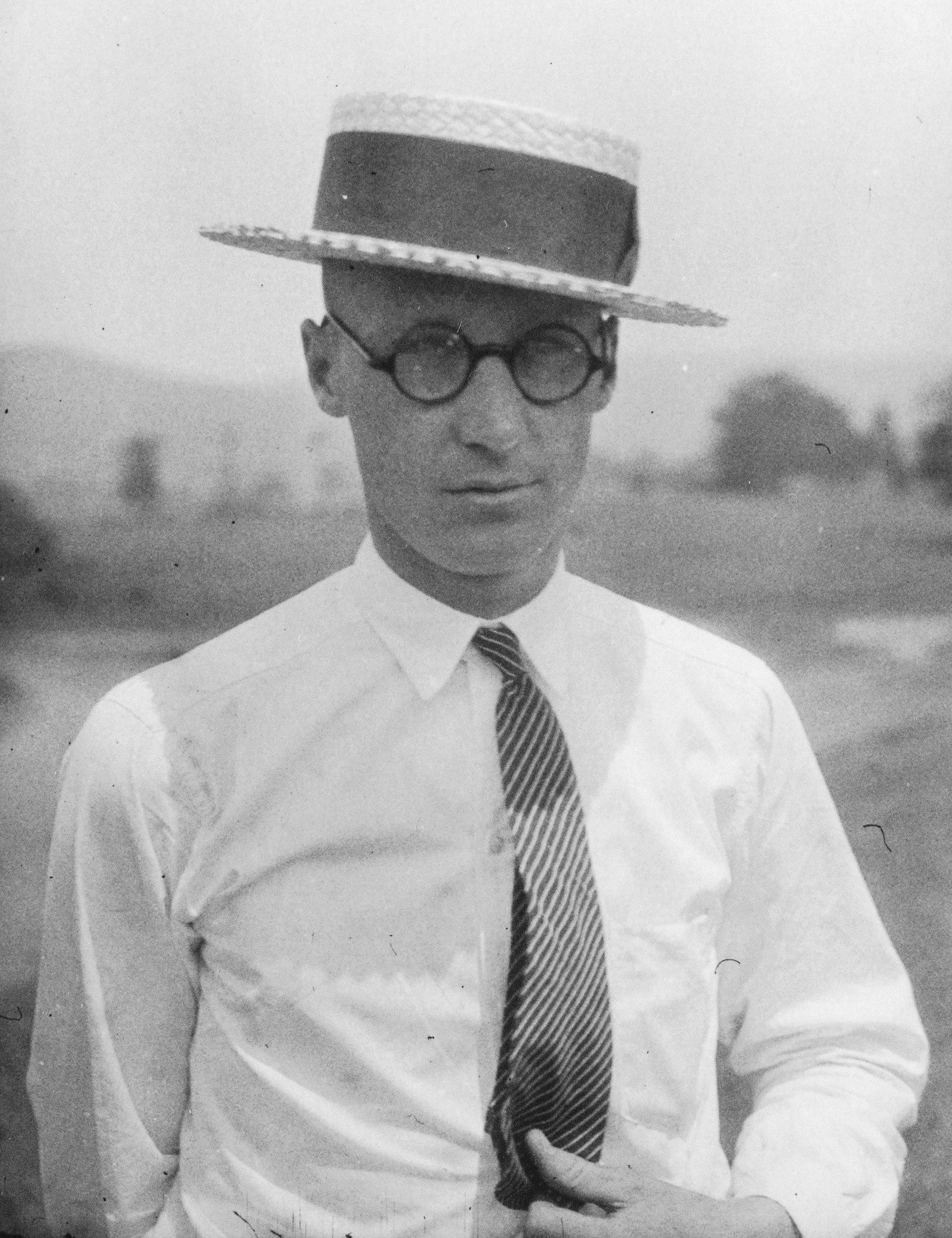
John Scopes 1925 source: Smithsonian Institution Public Domain,
On May 25, 1925, a grand jury in Dayton, Tennessee, indicted high school teacher John T. Scopes for violating the state’s Butler Act, which prohibited public school teachers from teaching human evolution. Scopes, a young science teacher, became the defendant in what became known as the Scopes “Monkey Trial.”The state of Tennessee v. John Thomas Scopesdrew national attention because it raised major questions about science education, religious belief, academic freedom, and who should decide what could be taught in public schools. The trial began later that summer, with Clarence Darrow defending Scopes and William Jennings Bryan arguing for the prosecution.
Although John Scopes was found guilty and fined, the trial brought national attention to the issue of whether students should be allowed to study modern scientific ideas in school. The trial quickly became a national spectacle. Reporters from across the country traveled to the small town to cover the courtroom arguments, the crowds, and the larger conflict between traditional religious beliefs and modern scientific ideas. Newspapers often presented the trial as more than a local legal case; they framed it as a national debate over whether public schools should teach scientific theories that challenged long-standing religious interpretations. Some newspapers treated the trial seriously as a test of academic freedom and constitutional rights, while others used dramatic headlines, cartoons, and humorous descriptions to portray Dayton as the center of a cultural clash between rural tradition and urban modernism. The intense newspaper coverage helped turn the Scopes Trial into one of the most famous education cases in American history and shaped how many Americans understood the debate over science, religion, and public schooling.
Project Ideas
Project 1: Scopes Trial Newspaper Front Page
Goal
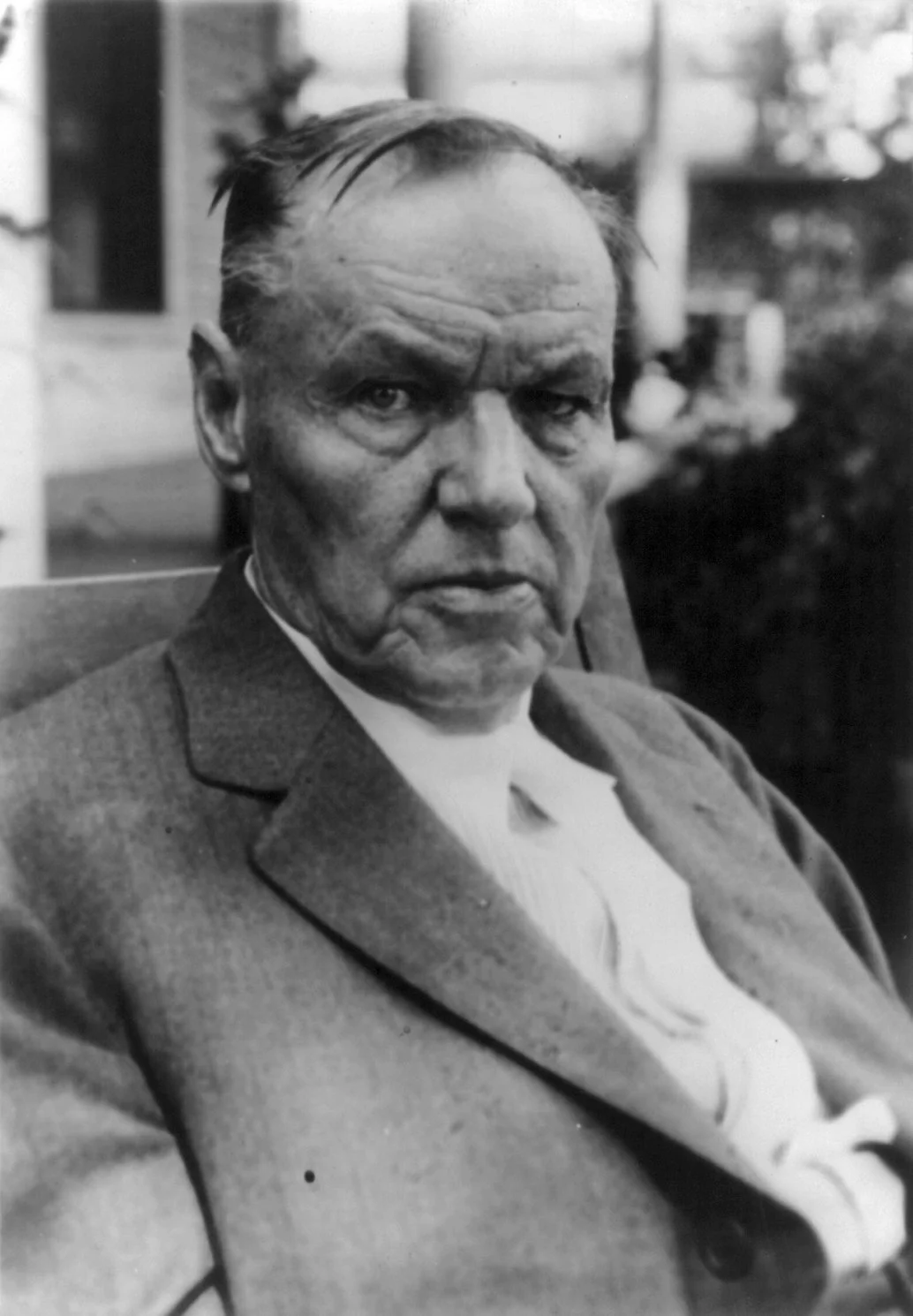
Clarence Darrow 1925 - source: Library of Congress: Public Domain
Students will understand the basic facts of the Scopes Trial and explain why it became an important event in the history of American education.
Activity
Students create a newspaper front page from May 1925 announcing the indictment of John T. Scopes. The front page should include a headline, a short news article, a brief timeline box, and one image, drawing, or symbol related to the trial. Students should answer the basic reporting questions: Who was involved? What happened? Where did it happen? When did it happen? Why did it matter?
Outcome
Students will produce a historically accurate newspaper-style page that summarizes the Scopes Trial clearly. They should be able to explain how the case connected to public school curriculum, science education, and debates over what students should learn.
Project 2: Curriculum Debate Role-Play
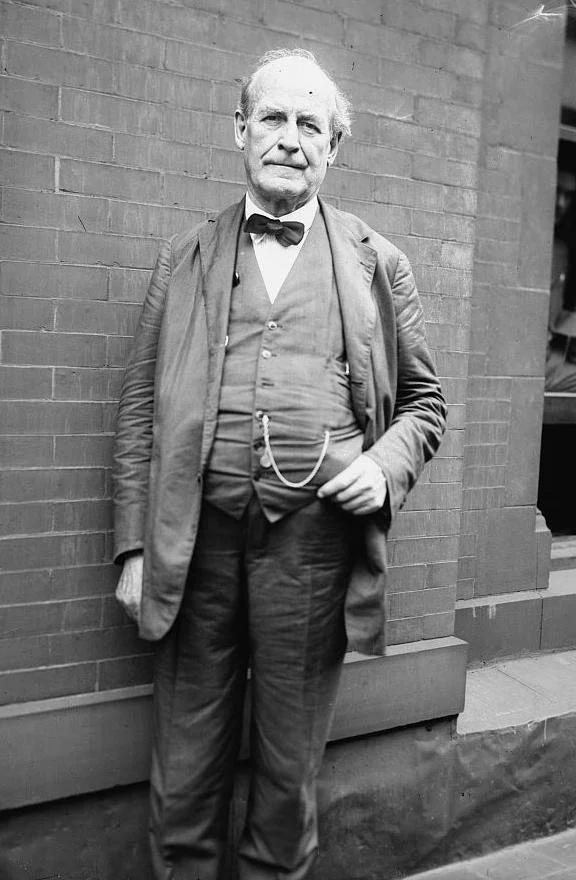
William Jennings Bryan 1925: source Library of Congress: Public Domain,
Goal
Students will examine different viewpoints connected to the Scopes Trial and practice respectful discussion about a historical education controversy.
Activity
Students participate in a role-play debate about whether evolution should have been taught in public schools in 1925. Assign roles such as science teacher, parent, school board member, student, minister, journalist, lawyer, or community leader. Each student prepares a short statement from that person’s point of view. After the debate, students write a reflection explaining which argument was strongest and why.
Outcome
Students will demonstrate an understanding that education decisions often involve competing beliefs, laws, and community values. They will practice using evidence, listening to others, and explaining a position clearly.
Project 3: Then-and-Now Science Education Poster
Goal
Students will analyze specific statements from the Scopes Trial and determine how evidence, law, science, and belief shaped the arguments on each side.
Activity
Students write 10–12 short evidence cards with excerpts or summarized statements from the Scopes Trial, the Butler Act, newspaper coverage, and statements from Clarence Darrow, William Jennings Bryan, John Scopes, or community members. Students sort the cards into three categories:
Legal Argument
Scientific Argument
Religious or Moral Argument
After sorting the cards, students choose three cards and write a short explanation for each one. Their explanation should identify the type of argument, explain the speaker’s point of view, and describe how that argument affected the debate over what could be taught in public schools.
Outcome
Students will complete a categorized evidence chart and a written explanation using specific historical evidence. They should be able to explain that the Scopes Trial was not only about one teacher, but also about how different kinds of arguments shaped public school curriculum decisions.