May 29, 1848: Wisconsin Becomes the 30th State
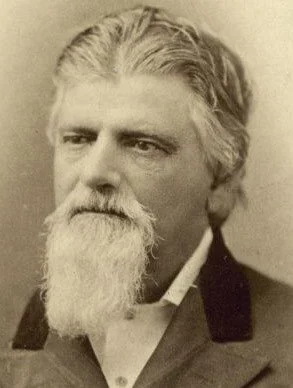
Nelson Dewey was Wisconsin’s first governor. 1848-1852
On May 29, 1848, Wisconsin was admitted to the Union as the 30th state. This was a major turning point in American expansion because Wisconsin was the last state formed entirely from the old Northwest Territory. Its statehood also reflected the rapid movement of settlers, immigrants, farmers, miners, and business interests into the upper Midwest. Wisconsin’s constitution made public education a central responsibility of state government. Article X of the Wisconsin Constitution required the legislature to establish district schools that would be “as nearly uniform as practicable” and free to children within stated age ranges. The same article also required the creation of a state university near the seat of government and established a university fund supported by federal land grants. The University of Wisconsin’s early history was directly tied to this statehood framework, showing how new states used constitutions to build public education systems from the beginning.
It’s important to note that statehood was not only about maps, borders, and government offices. It was also about deciding what kind of society a new state would build. Wisconsin’s constitution placed education into the structure of state government, making public schools and higher education part of the state’s civic foundation.
Students can compare this moment with larger questions in American history: Who should be responsible for education? Should education be local, state, or national? What does a state owe its children? How does public education help create citizens?
Three Core Points Connected to Wisconsin’s Statehood
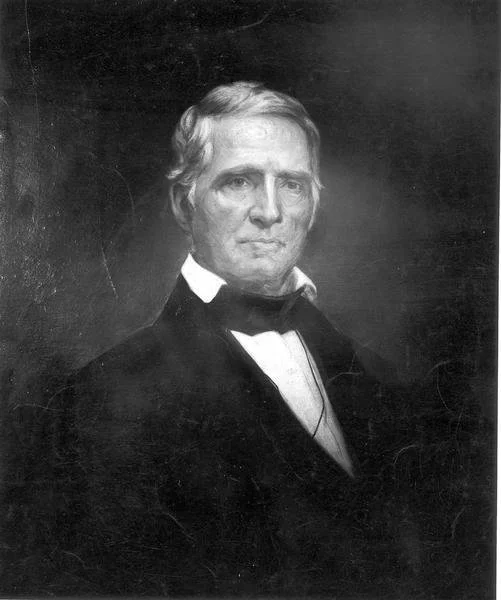
Henry Dodge - 1st and 4th governor of Wisconsin Territory | also served in the House of Representatives and Senate
1. Wisconsin statehood completed an important chapter of Northwest Territory expansion.
Wisconsin became the 30th state on May 29, 1848, making it part of the broader national story of westward expansion and settlement in the Old Northwest. Its admission helped complete the transformation of lands once organized under the Northwest Ordinance into new American states, following Ohio, Indiana, Illinois, and Michigan. This matters because Wisconsin’s statehood shows how the United States expanded not only through new borders, but also through constitutions, courts, schools, land sales, migration, and new systems of government.
2. Wisconsin statehood was tied to mining, migration, and economic development.
Before Wisconsin became a state, lead mining helped draw settlers, workers, and immigrants into the region. The early lead industry was especially important in southwestern Wisconsin, where communities such as Mineral Point, Platteville, Shullsburg, and Dodgeville grew around mining activity. The Wisconsin Historical Society notes that lead had been mined by Indigenous Peoples long before European and American settlement, and that treaties eventually opened southern Wisconsin lands to U.S. settlement and mining expansion.
This connects Wisconsin to a larger American pattern: natural resources often shaped migration, settlement, labor systems, and political pressure for statehood. In Wisconsin’s case, mining helped increase population and economic activity, which supported the movement from territory to state.
3. Wisconsin statehood must also be understood through Native land loss and treaty history.

Map of lands in present-day Wisconsin ceded to the United States by Ojibwe Dakota (243) and Winnebago leaders (245) in land cession treaties signed in 1837. source: Library of Congress
Wisconsin’s path to statehood was not simply a story of settlers building towns. It was also a story of Indigenous land cession, displacement, and treaty conflict. The U.S. government used treaties as a major tool to acquire Native lands during westward expansion, a process strengthened by the Indian Removal Act of 1830.
In Wisconsin, Native nations including the Ho-Chunk, Menominee, Ojibwe, Potawatomi, Sauk, Meskwaki, and others were deeply affected by U.S. expansion. For example, Ojibwe land cession treaties in 1837, 1842, and 1854 transferred large areas to the United States while also preserving important treaty rights.
While statehood created opportunities for some people , it resulted in loss, disruption, and resistance for others.
Project 1: Wisconsin Statehood Turning Point Timeline
Project Goal:
Students will explain why Wisconsin’s admission to the Union was a turning point in American expansion, settlement, and state-building.
Project Description:
Students will create a visual timeline showing Wisconsin’s movement from Native homelands to U.S. territory to statehood. The timeline should include major events such as Native land cessions, lead mining growth, the creation of Wisconsin Territory, constitutional conventions, and admission to the Union in 1848. Students should include brief explanations showing how each event contributed to Wisconsin becoming a state.
Research Questions:
What events led to Wisconsin becoming a state in 1848?
How did mining, migration, and population growth contribute to statehood?
How did treaties and Native land cessions affect Wisconsin’s development?
Why was the Northwest Territory important to the growth of the United States?
What changed politically, economically, and socially after Wisconsin became a state?
Final Project Options:
Students may create:
A digital timeline
A poster timeline
A map-based timeline
A slideshow
A museum-style exhibit panel
A short narrated video
Reflection Question:
How does Wisconsin’s path to statehood show both the opportunities and costs of American expansion?
Project 2: Wisconsin Constitution and the Promise of Public Education
Project Goal:
Students will analyze how Wisconsin’s state constitution made public education part of the state’s civic foundation.
Project Description:
Students will examine the education provisions of the Wisconsin Constitution, especially Article X, which required the legislature to establish district schools that would be free and “as nearly uniform as practicable.” Students will explain why this mattered in 1848 and how it connects to larger American ideas about citizenship, democracy, and equal access to education.
Research Questions:
What did Wisconsin’s constitution say about public education?
Why did new states often make education part of their constitutional structure?
How did public education support democracy and citizenship?
What did “uniform” and “free” schooling mean in the nineteenth century?
How do state constitutions continue to shape education policy today?
Final Project Options:
Students may create:
A constitutional analysis poster
A short research essay
A public education infographic
A comparison chart between Wisconsin’s education clause and another state’s education clause
A mock constitutional convention speech
A podcast episode explaining why education belonged in the state constitution
Reflection Question:
Why does it matter when education is written directly into a state constitution?
Project 3: Whose Statehood? Multiple Perspectives on 1848 Wisconsin
Project Goal:
Students will evaluate Wisconsin statehood from multiple perspectives, including settlers, miners, immigrants, Native nations, lawmakers, and students.
Project Description:
Students will research Wisconsin statehood through different historical viewpoints. Each student or group will represent one perspective and explain how statehood affected that group. For example, miners may have viewed statehood as economic opportunity, lawmakers may have seen it as political maturity, immigrant families may have seen it as a new beginning, and Native nations may have experienced it as land loss, treaty pressure, and disruption.
Research Questions:
Who benefited from Wisconsin statehood?
Who was harmed or displaced by the process of statehood?
How did mining and settlement change the region?
How did Native nations respond to U.S. expansion in Wisconsin?
Why is it important to study statehood from more than one point of view?
Final Project Options:
Students may create:
A role-based panel discussion
A set of first-person historical letters
A multi-perspective newspaper front page
A classroom debate
A museum exhibit with sections for each group
A cause-and-effect chart showing different impacts of statehood
Reflection Question:
How does studying multiple perspectives change the way we understand Wisconsin becoming a state?
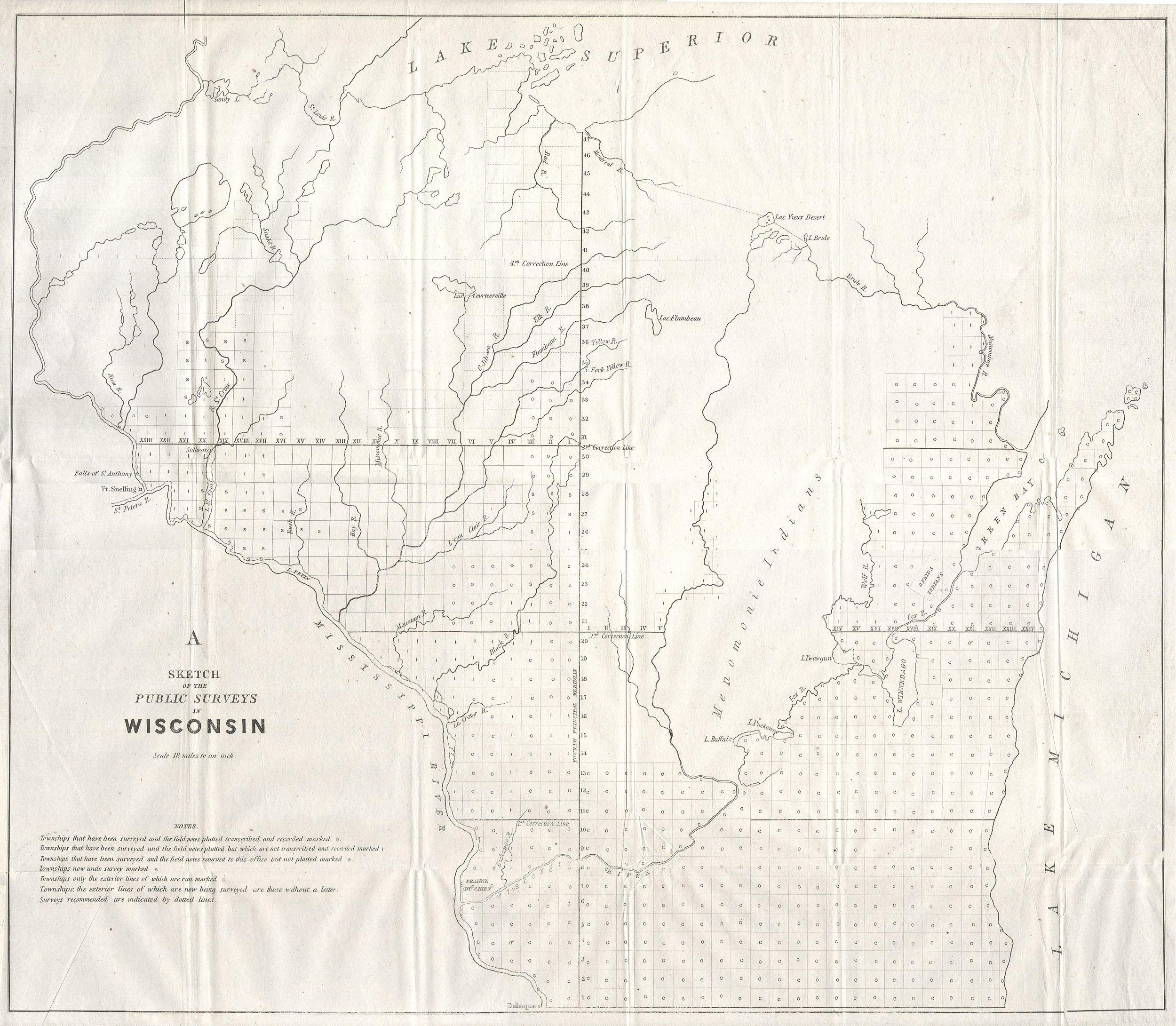
Map of Wisconsin issued in 1848 for the U.S. Land Survey Office.