May 30: Benny Goodman is Born in Chicago
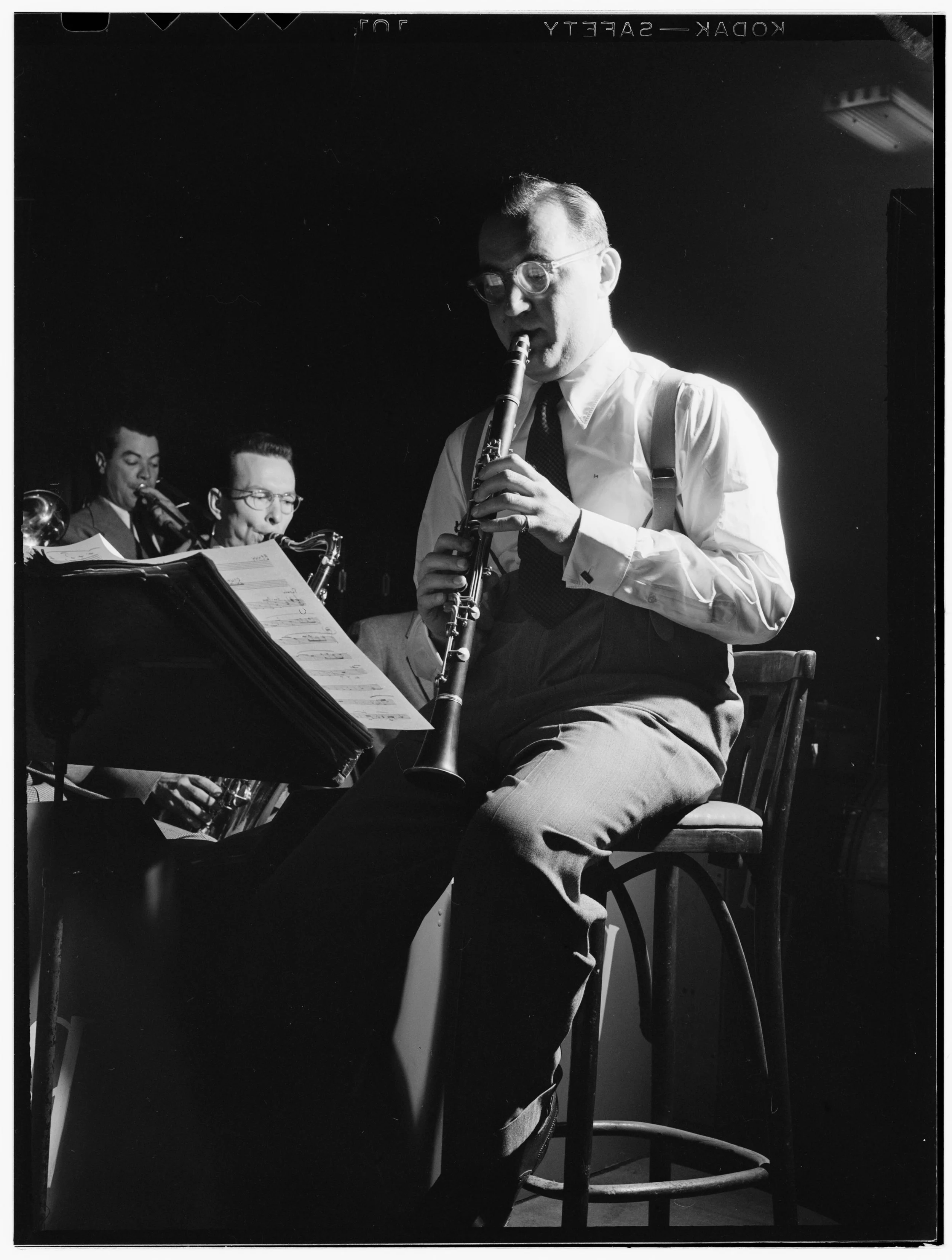
Benny Goodman performing at the 400 Restaurant, New York, 1946 | source: Library of Congress
On May 30, 1909, Benny Goodman was born in Chicago, Illinois.. He became one of the most influential American musicians of the twentieth century and was later known as the “King of Swing.” Swing music became one of the defining sounds of American culture during the 1930s and 1940s. Growing out of jazz, swing featured strong rhythm, lively dance tempos, big band arrangements, and sections of brass, reeds, and percussion working together in an energetic, polished sound. Musicians such as Benny Goodman, Duke Ellington, Count Basie, Lionel Hampton, Teddy Wilson, and Glenn Miller helped bring swing into ballrooms, theaters, radio programs, and homes across the country. During the Great Depression and World War II era, swing gave Americans a sense of movement, excitement, and shared enjoyment during difficult times. It also became important socially because some swing musicians and bands challenged racial barriers through collaboration and integrated performances. Swing music shows how popular culture can reflect history, shape public life, and bring people together through sound, rhythm, and performance.
Goodman worked with racially integrated small groups at a time when segregation was still common in American public life. His performances with musicians such as Teddy Wilson and Lionel Hampton helped challenge racial barriers in the entertainment world. His famous 1938 Carnegie Hall concert is often remembered as a turning point because jazz entered one of America’s most respected concert spaces and reached audiences who had not always treated jazz as serious music. Carnegie Hall lists Goodman’s first appearance there as January 16, 1938, and the Library of Congress preserves materials on that concert as a landmark recording.
Student Connection
Students can use Goodman’s life to study how culture can change history. His story shows that American history is not only shaped by presidents, wars, and laws. It is also shaped by music, migration, technology, race, class, and public performance.
Research Questions
How did Benny Goodman’s immigrant family background shape his early life?
Why did swing music become so popular during the Great Depression?
How did radio help create national music celebrities?
Why was Goodman’s 1938 Carnegie Hall concert important?
How did integrated jazz groups challenge segregation in American culture?
Project Ideas


Duke Ellington in 1941 | source: Library of Congress
Project Goal:
Students will examine how Benny Goodman’s career reflected major changes in American culture during the 1930s.
Project Description:
Students will research Goodman’s early life in Chicago and the importance of the 1938 Carnegie Hall concert. They will explain how one musician’s career helps tell a larger story about immigration, race, technology, and popular culture in America.
Final Project Options:
Students may create a music-history timeline, radio broadcast script, cultural history poster, short documentary script, jazz concert program, or comparison between 1930s radio fame and modern digital music platforms.
Reflection Question:
How can music help change the way Americans see one another?
Project 2: Swing Music as American Cultural History
Project Goal:
Students will study swing music as a major cultural movement of the 1930s and 1940s and explain how it reflected American life during the Great Depression and World War II era.
Project Description:
Students will research the rise of swing music, including its connection to jazz, dance halls, radio broadcasts, big bands, and national entertainment culture. They will examine how musicians such as Benny Goodman, Duke Ellington, Count Basie, Glenn Miller, Teddy Wilson, and Lionel Hampton helped shape the sound of the swing era. Students should also consider why swing music appealed to young people and how it created a shared cultural experience during difficult periods in American history.
Students may listen to selected swing recordings and identify common musical features such as rhythm, tempo, improvisation, call-and-response patterns, brass and reed sections, and danceable arrangements.
Research Questions:
What made swing music different from earlier forms of jazz?
Why did swing music become popular during the Great Depression?
How did radio help spread swing music across the United States?
What role did dance halls and ballrooms play in youth culture?
How did swing music reflect both entertainment and social change?
How did Benny Goodman’s band contribute to the popularity of swing?
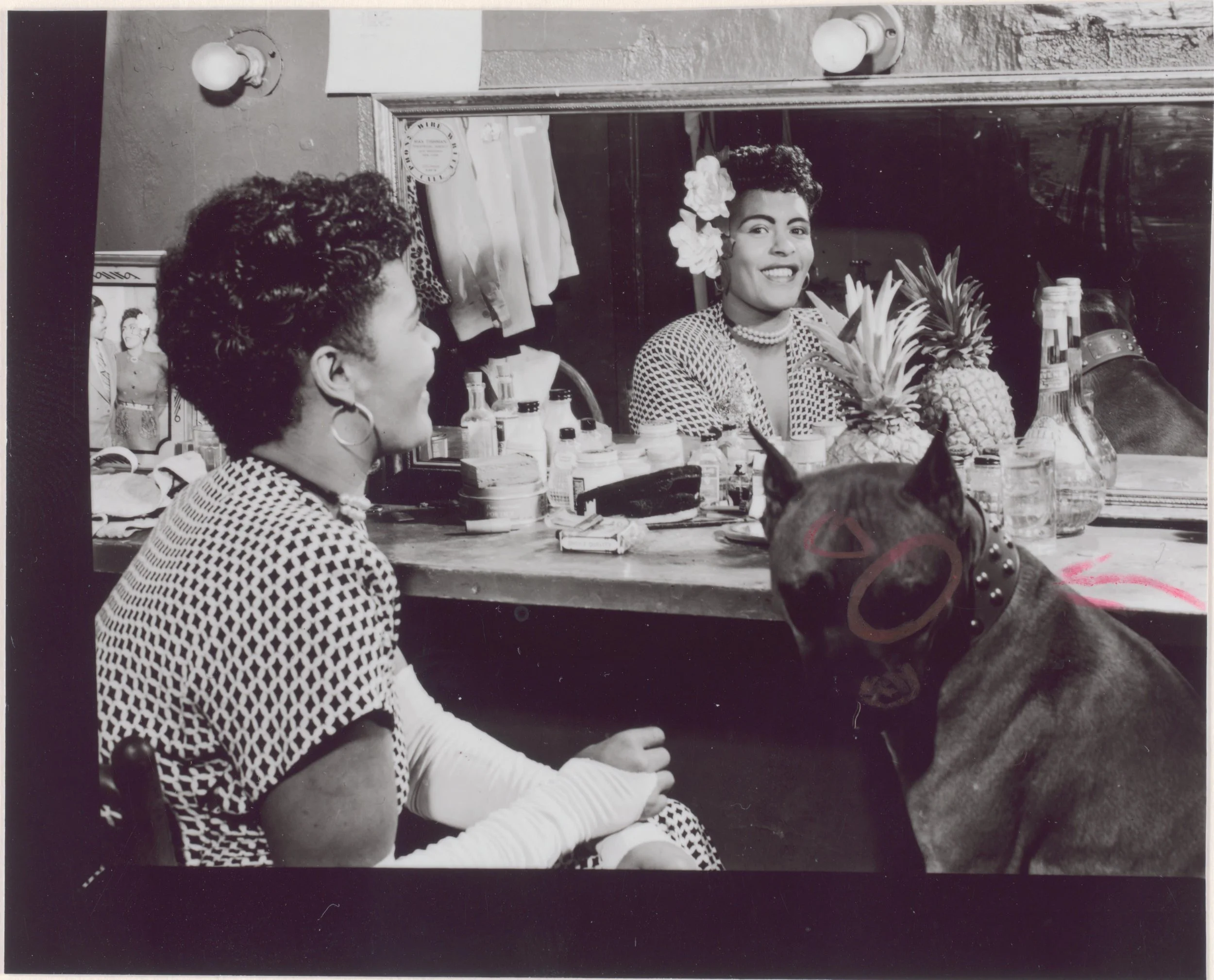
Billy Holiday 1946 | source: Library of Congress
Final Project Options:
Students may create:
A swing music listening journal
A multimedia presentation on the swing era
A radio broadcast script from the 1930s
A poster explaining the instruments of a big band
A short documentary script about swing music and American culture
A comparison chart between swing music and a modern popular music style
Reflection Question:
Why might music become especially important during times of national hardship?
Project 3: Benny Goodman, Integration, and Swing Music
Project Goal:
Students will analyze how Benny Goodman’s integrated performances helped challenge racial barriers in American music and public entertainment.
Project Description:
Students will research Benny Goodman’s work with Black musicians such as Teddy Wilson, Lionel Hampton, and Charlie Christian. They will examine how Goodman’s small groups and public performances challenged segregation in the entertainment industry at a time when many American institutions remained racially divided. Students should connect Goodman’s career to larger questions about race, opportunity, artistic collaboration, and cultural leadership.
Students will also study swing music as a collaborative art form. They should consider how improvisation, ensemble performance, and musical conversation required musicians to listen closely to one another and create something together.
Research Questions:
Why was it significant that Benny Goodman performed with Black musicians in the 1930s?
What barriers did Black jazz and swing musicians face during this period?
How did integrated bands challenge segregation in American entertainment?
What role did Teddy Wilson, Lionel Hampton, and Charlie Christian play in Goodman’s music?
How can music become a form of social change?
What does collaboration in swing music teach about listening, respect, and shared creativity?
Final Project Options:
Students may create:
A biographical profile of Teddy Wilson, Lionel Hampton, or Charlie Christian
A museum exhibit panel on integration in swing music
A mock newspaper article about an integrated jazz performance
A podcast episode on Benny Goodman and racial barriers in music
A comparison between segregation in entertainment and segregation in schools
A visual map showing where swing music develop