
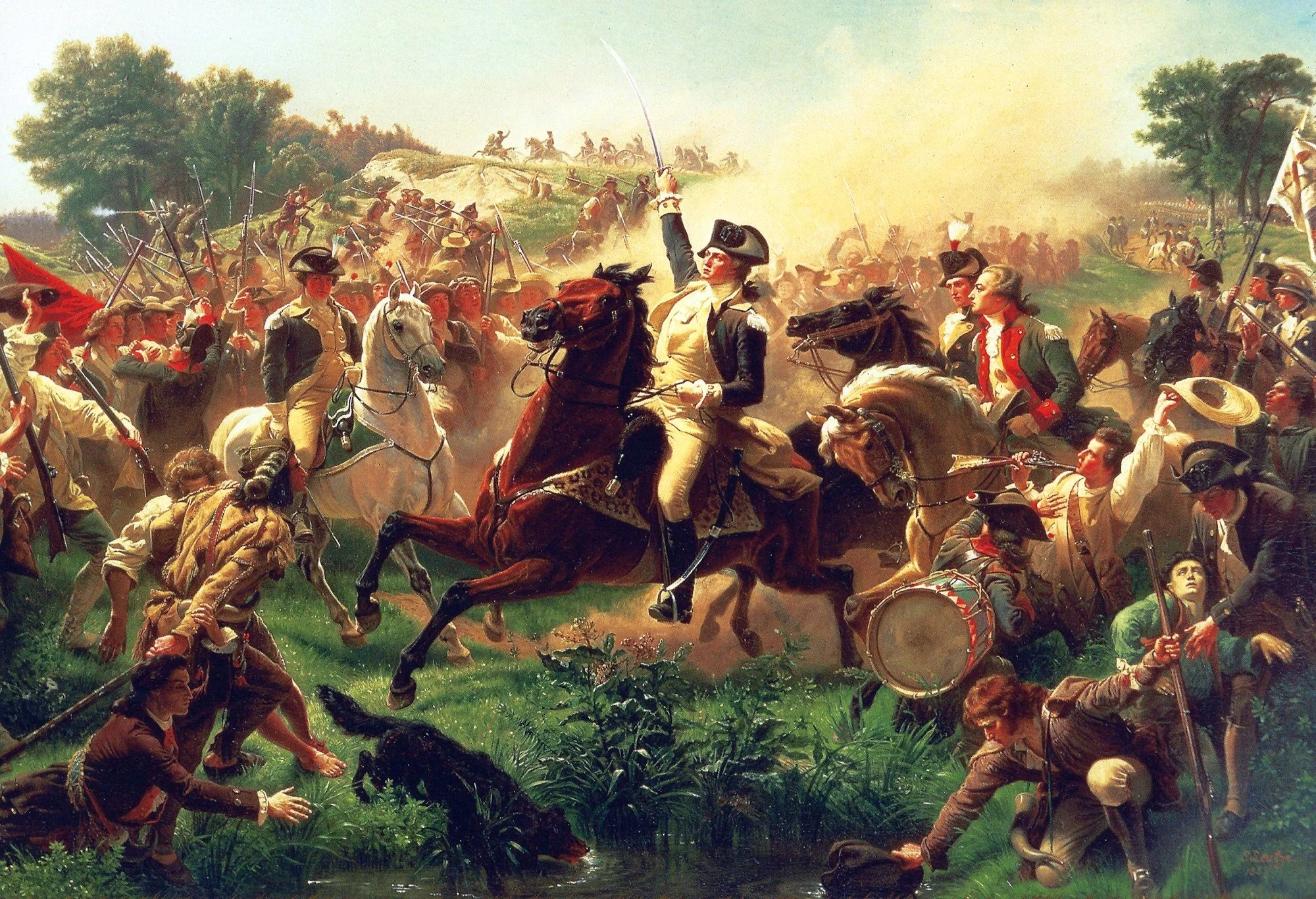
June 28: Molly Pitcher and the Battle of Monmouth
On June 28, 1778, American and British forces fought the Battle of Monmouth near present-day Freehold, New Jersey. The battle became one of the longest single days of combat during the American Revolution and took place in extreme summer heat. General George Washington and the Continental Army attacked the rear of the British army as it moved across New Jersey after leaving Philadelphia. Although the battle did not produce a clear battlefield victory, it showed that the Continental Army had become stronger, more disciplined, and better prepared after its difficult winter at Valley Forge.
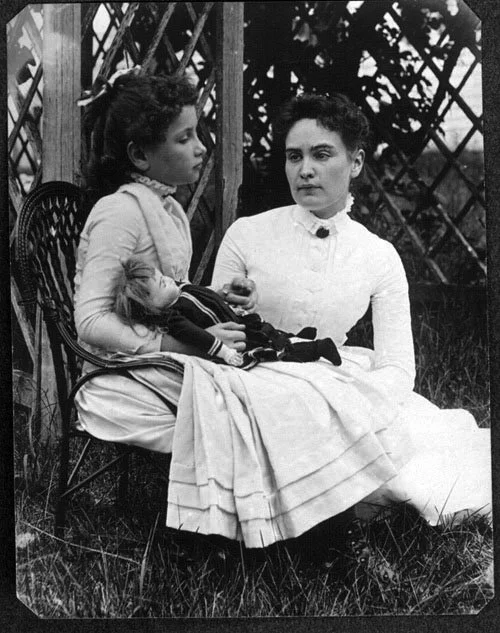
June 27: Helen Keller and the Power of Communication
On June 27, 1880, Helen Keller was born in Tuscumbia, Alabama. As a young child, Keller became both deaf and blind after a serious illness. Because she could not hear spoken words or see the world around her, communication became extremely difficult. Her early childhood was marked by frustration because she had thoughts, needs, and feelings but did not yet have a clear way to express them. Her life changed when teacher Anne Sullivan arrived and began helping Keller connect language to the world through touch.

June 23: Wilma Rudolph and the Power of Perseverance
Wilma Rudolph was born on June 23, 1940, in Saint Bethlehem, Tennessee, and grew up in a large family in the segregated South. As a child, she faced serious health challenges, including double pneumonia, scarlet fever, and polio. Polio weakened her left leg, and for several years she wore a leg brace. Doctors were uncertain whether she would walk normally again, but Rudolph’s family helped her through years of therapy and exercises. Her mother regularly took her for treatment, and her siblings helped massage her leg at home.
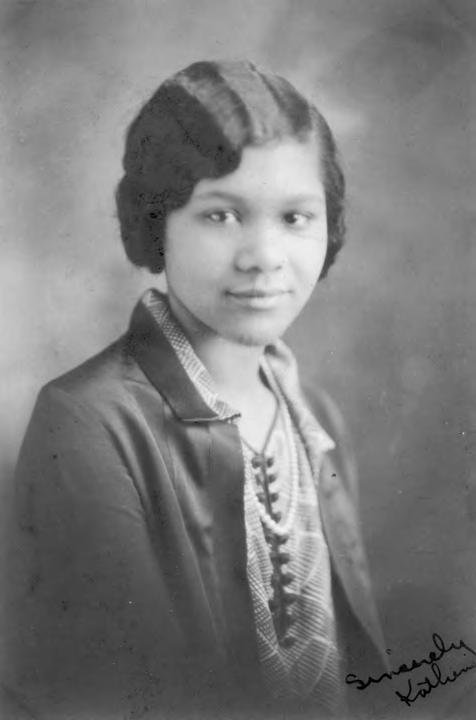
June 22: Katherine Dunham and the Power of Dance
On June 22, 1909, Katherine Dunham was born in Chicago, Illinois.
Katherine Dunham was an influential American dancer, choreographer, teacher, writer, and cultural researcher whose work changed the direction of modern dance. Born on June 22, 1909, in Chicago, Illinois, Dunham developed a lifelong interest in performance, learning, and cultural expression. She studied anthropology at the University of Chicago, where she explored how dance, music, ritual, history, and community identity are connected. This academic background helped her understand dance as more than movement. For Dunham, dance was a way to study people, preserve cultural traditions, and communicate meaning.
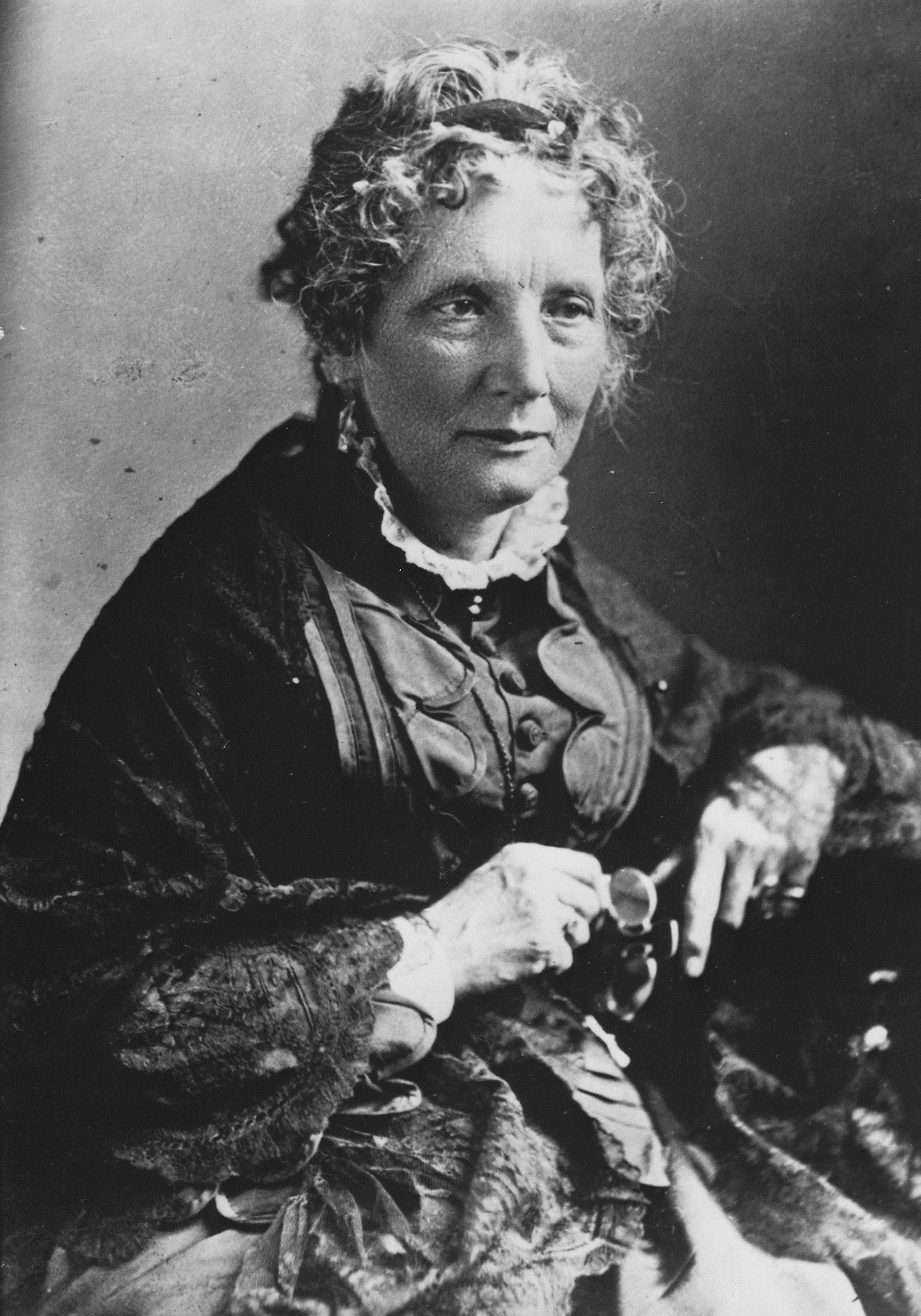
June 14: Harriet Beecher Stowe is born 1811
Harriet Beecher Stowe was born on June 14, 1811, in Litchfield, Connecticut, into the well-known Beecher family, a family deeply involved in religion, education, and reform. Her father, Lyman Beecher, was a prominent minister, and several of her siblings also became influential public figures. Stowe was educated at a time when many women had limited formal opportunities, but she developed strong reading, writing, and critical thinking skills. Her life in Cincinnati, Ohio, near the border between free and slave states, exposed her to debates over slavery and to stories of people who had escaped bondage. These experiences shaped her moral convictions and helped inspire her writing.