
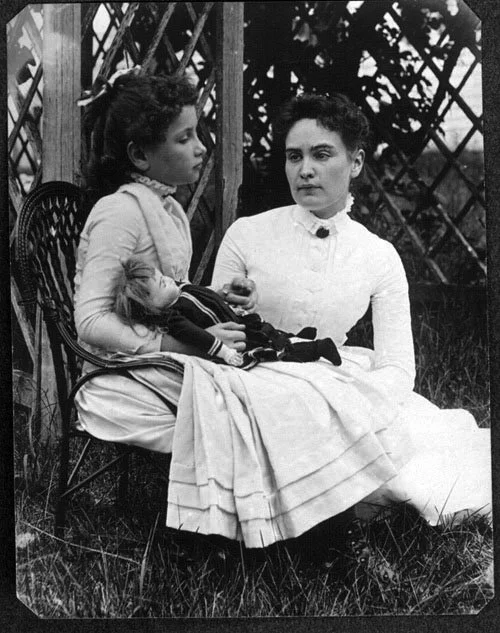
June 27: Helen Keller and the Power of Communication
On June 27, 1880, Helen Keller was born in Tuscumbia, Alabama. As a young child, Keller became both deaf and blind after a serious illness. Because she could not hear spoken words or see the world around her, communication became extremely difficult. Her early childhood was marked by frustration because she had thoughts, needs, and feelings but did not yet have a clear way to express them. Her life changed when teacher Anne Sullivan arrived and began helping Keller connect language to the world through touch.
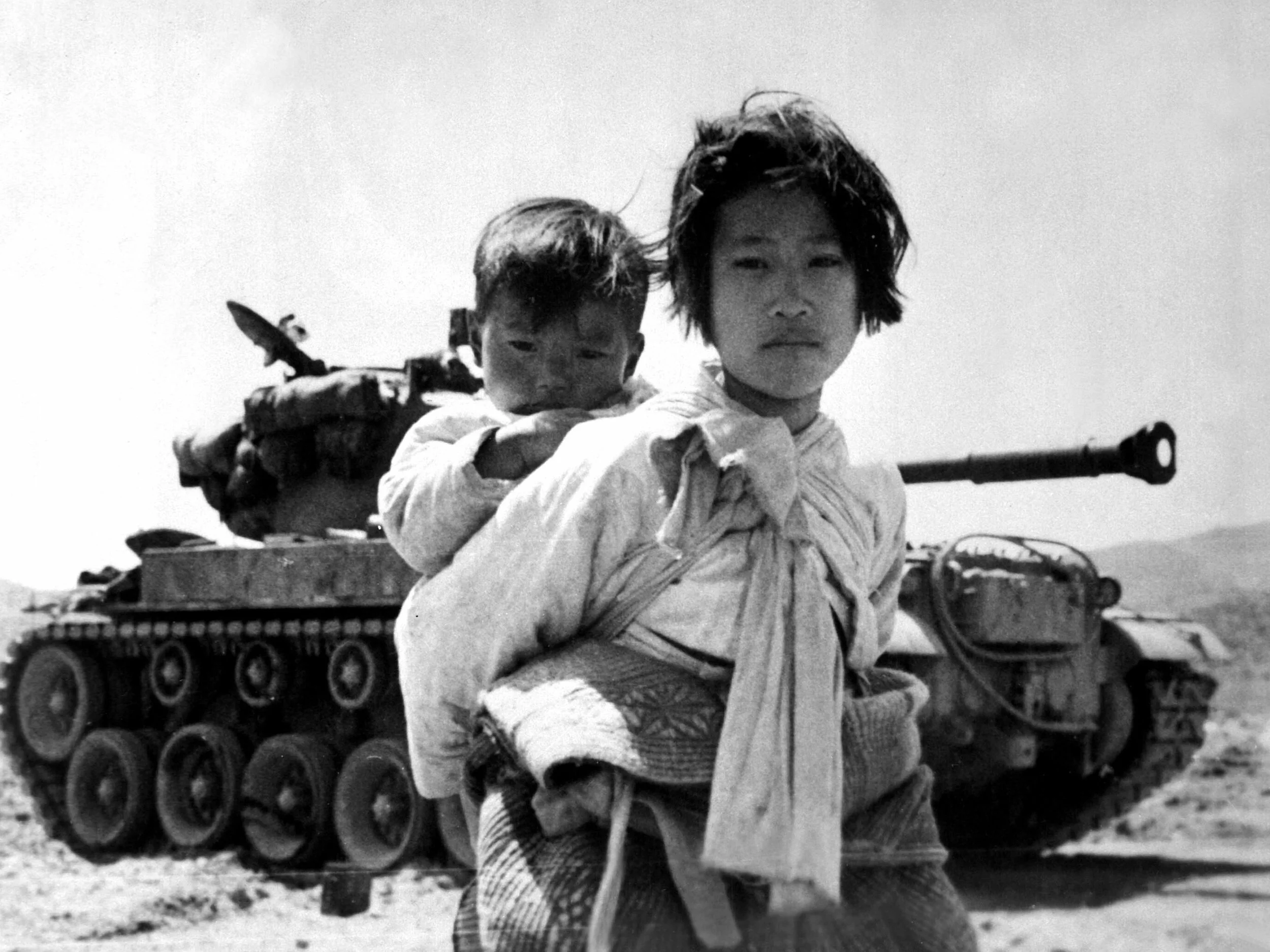
June 25: The Korean War Begins
On June 25, 1950, North Korean forces crossed the 38th parallel and invaded South Korea, beginning the Korean War. The 38th parallel had divided the Korean Peninsula after World War II, with a communist government in the North supported by the Soviet Union and a non-communist Republic of Korea in the South supported by the United States. The invasion quickly became one of the first major military crises of the Cold War.
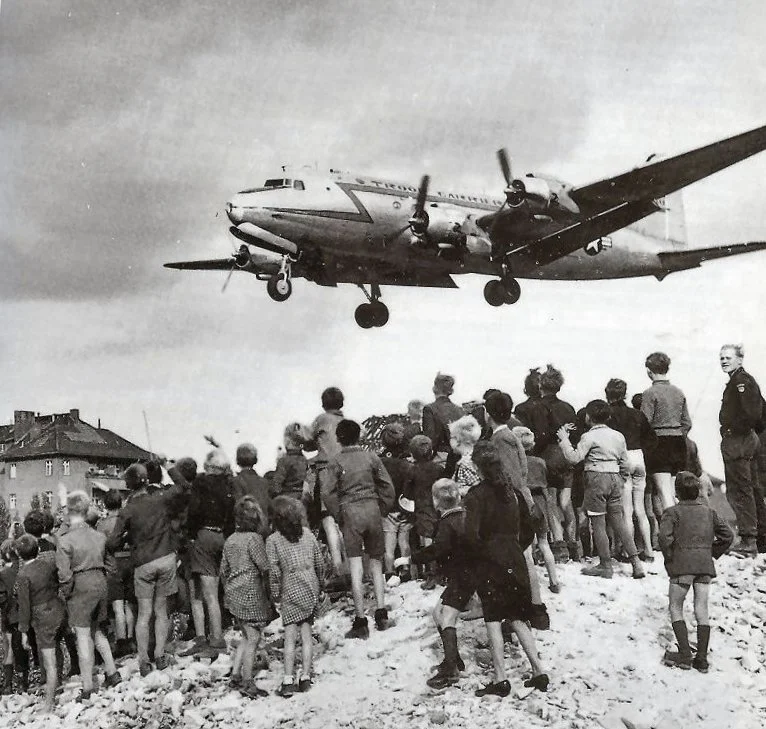
June 24: The Berlin Blockade and the Airlift That Fed a City
On June 24, 1948, Soviet forces blocked road, rail, and water access to West Berlin, cutting off the city from supplies coming from the western zones of Germany. West Berlin was located deep inside Soviet-controlled territory, but it was still occupied by the United States, Great Britain, and France after World War II. The blockade created one of the first major crises of the Cold War because nearly two million people in West Berlin depended on outside supplies for food, fuel, medicine, and basic survival.
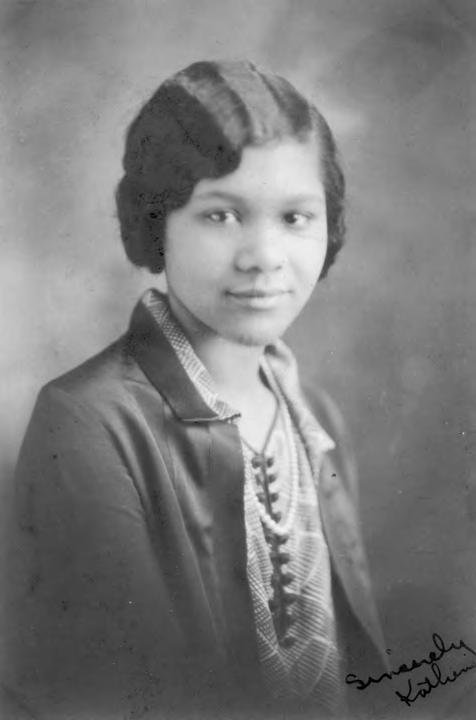
June 22: Katherine Dunham and the Power of Dance
On June 22, 1909, Katherine Dunham was born in Chicago, Illinois.
Katherine Dunham was an influential American dancer, choreographer, teacher, writer, and cultural researcher whose work changed the direction of modern dance. Born on June 22, 1909, in Chicago, Illinois, Dunham developed a lifelong interest in performance, learning, and cultural expression. She studied anthropology at the University of Chicago, where she explored how dance, music, ritual, history, and community identity are connected. This academic background helped her understand dance as more than movement. For Dunham, dance was a way to study people, preserve cultural traditions, and communicate meaning.
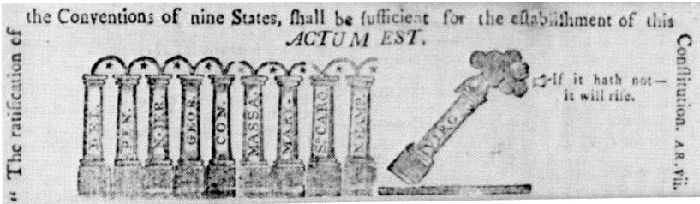
June 21: New Hampshire and the Ratification of the U.S. Constitution
On June 21, 1788, New Hampshire became the ninth state to ratify the United States Constitution. This was a major turning point in American history because the Constitution required approval from nine states before it could become the official framework for the new national government. With New Hampshire’s vote, the Constitution moved from a proposed plan to the foundation of the United States government.
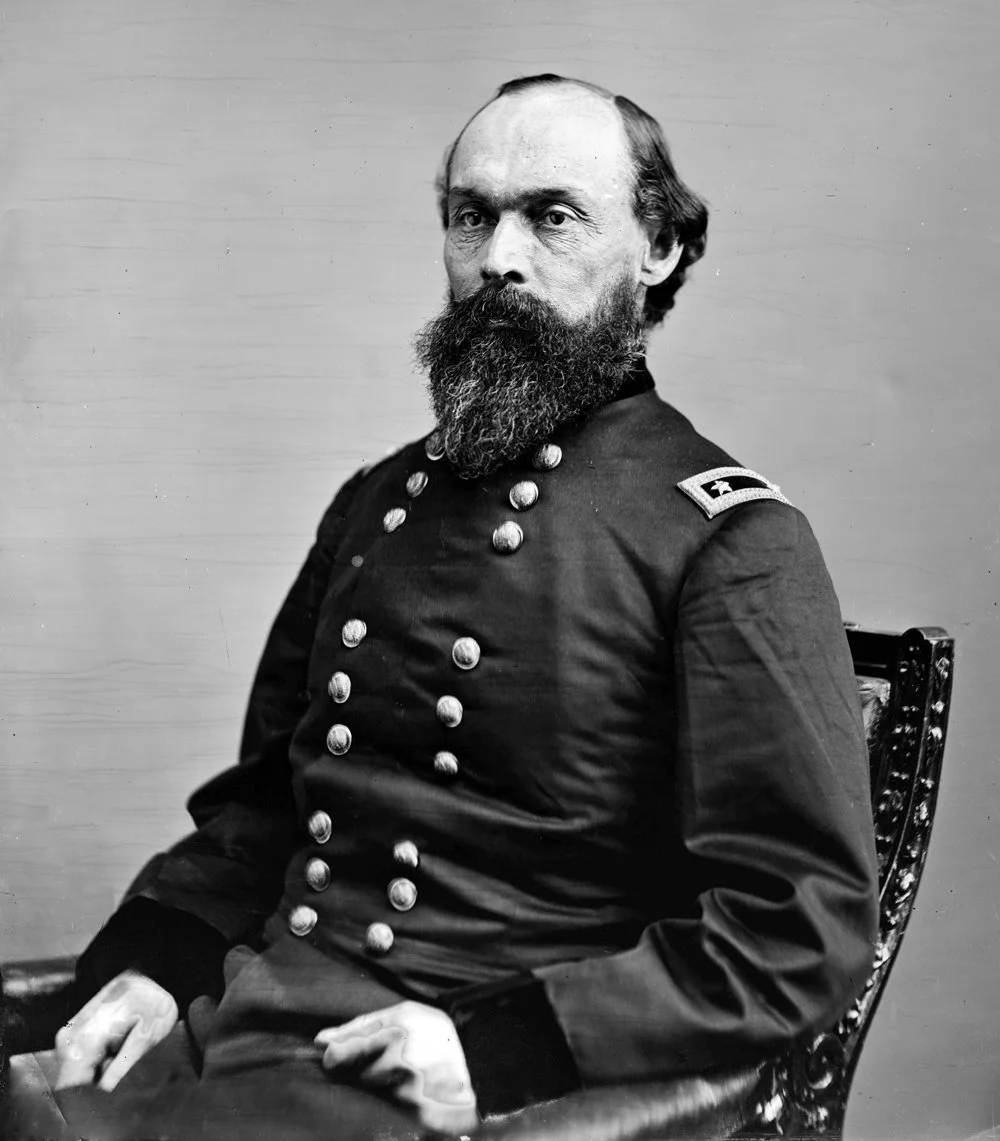
June 19 in American History: Juneteenth and General Order No. 3
On June 19, 1865, U.S. Major General Gordon Granger arrived in Galveston, Texas, and issued General Order No. 3. The order announced that enslaved people in Texas were free. Although President Abraham Lincoln had issued the Emancipation Proclamation more than two years earlier, freedom had not been fully enforced in Texas until Union troops arrived after the Civil War.